
Category: Government Programs
-
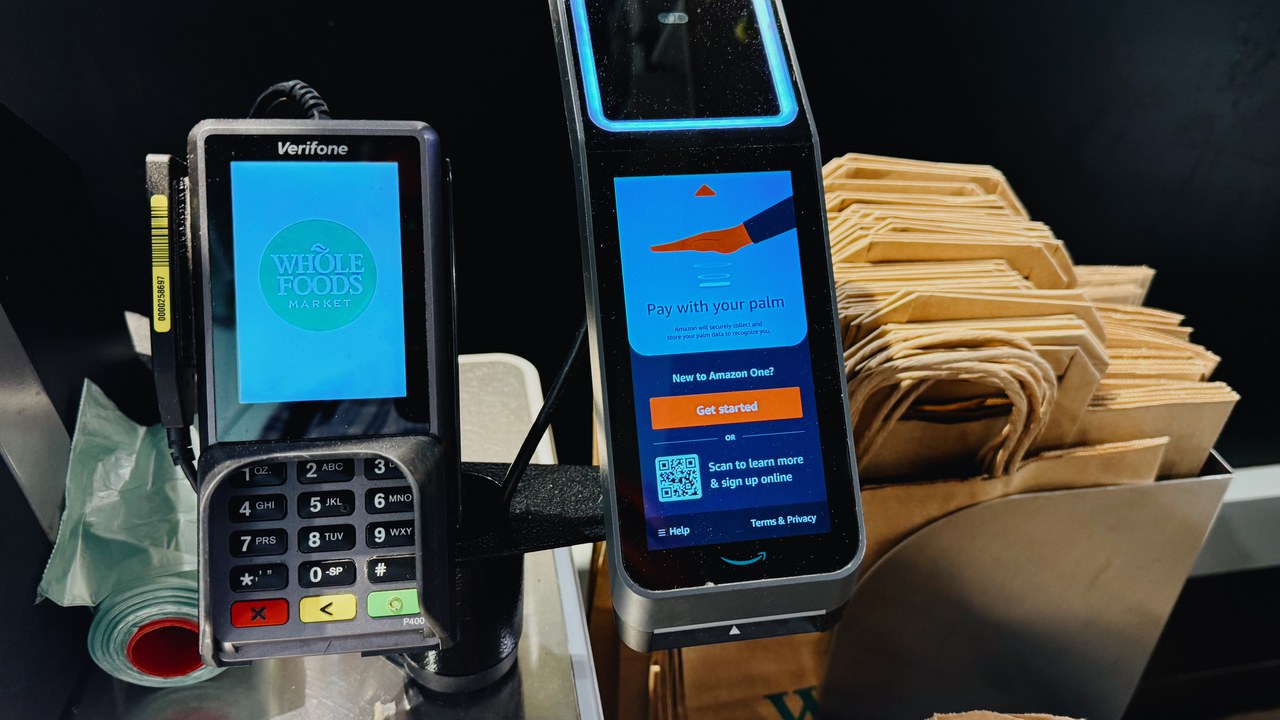
Congress let the authority to replace food stamp benefits stolen by card skimmers expire, and it has not come back
Card skimming has not stopped, but the federal program that once reimbursed food stamp households for benefits stolen this way has. For nearly two years now, anyone whose SNAP card gets skimmed or cloned has had no guaranteed way to get that money back from the government, and nothing currently on the public record would…
-

CMS names nine groups exempt from the Medicaid work rule, including veterans with a total disability rating
Nine categories of people will never have to prove they worked, trained or volunteered a single hour to keep Medicaid, once the program’s new community-engagement requirement takes hold. The Centers for Medicare & Medicaid Services carved them out entirely in the interim final rule it issued June 1, 2026 — a permanent exemption, not a…
-

USDA is appealing the ruling that threw out food stamp soda bans in five states
The U.S. Department of Agriculture has taken its fight over food stamp restrictions on soda and candy to a federal appeals court, roughly three months after a district judge vacated the program in five states. The appeal doesn’t change what SNAP shoppers can buy anywhere today, but it does keep the underlying legal question —…
-

The food stamp parent exemption now stops when a child turns 14
Turning 14 used to have no bearing on a parent’s food stamp eligibility. Now it marks the exact birthday when a parent who is otherwise required to work can lose the exemption that used to keep them off the three-month SNAP time limit. The One Big Beautiful Bill Act narrowed the exception for a parent…
-

Forty-three states must start checking Medicaid work hours January 1, and a noncompliance notice gives 30 days to answer
Starting January 1, 2027, most states running Medicaid will have to verify that certain adult enrollees are working, training, volunteering, or otherwise staying active for a set number of hours each month before they can keep their coverage. The requirement comes from an interim final rule the Centers for Medicare & Medicaid Services issued on…
-
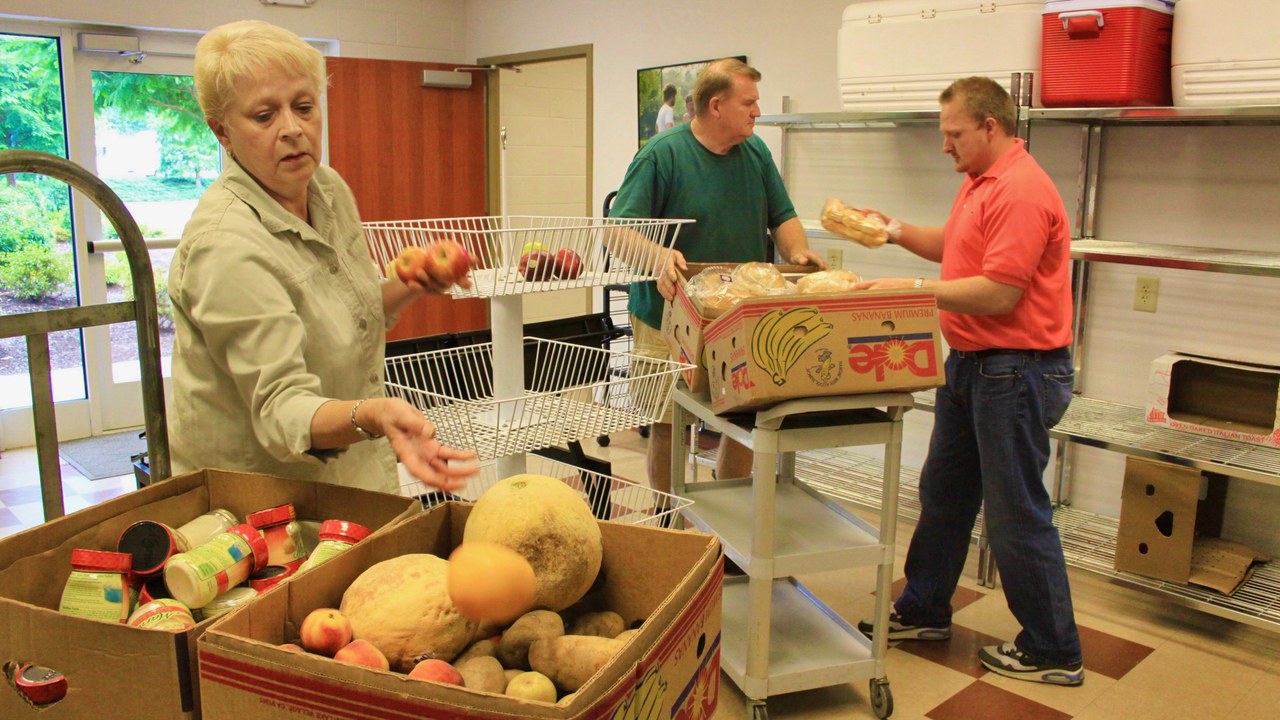
Veterans and homeless adults lost their food stamp work exemption
Veterans and people experiencing homelessness no longer get an automatic pass from the SNAP work-and-time-limit rule that used to protect them by name. A 2023 law had carved out specific exceptions for veterans, homeless individuals, and young adults aging out of foster care, keeping them off the three-month food stamp clock regardless of employment status.…
-
The $500 health exchange refund reaches only the 30 federal-marketplace states
A person shopping for ACA coverage in California and a person doing the same thing in Texas can land on two different systems without ever realizing it: one run by their own state government, one run by the Centers for Medicare & Medicaid Services through the federal HealthCare.gov platform. That split, mostly invisible to enrollees…
-

Ohio called off the October 1 ban on buying sugary drinks with food stamps
Ohio grocery and convenience stores spent the summer getting ready to reject certain sugary drinks from food-stamp purchases starting October 1. That rule is now paused, not because Ohio changed course, but because the federal agency that runs the program asked the state to hold off. For households on SNAP, the drinks that were about…
-

Food stamps for a three-person household reach $808 a month on October 1
A monthly grocery-benefit ceiling that has held at $785 for three-person households since October 2025 is about to move. Beginning Oct. 1, 2026, the U.S. Department of Agriculture is raising the maximum Supplemental Nutrition Assistance Program allotment for a household of three in the 48 states and the District of Columbia to $808. The change…
-

Food stamp recipients aged 55 to 64 can now be cut off after three months under the rewritten work rule
A provision buried inside the One Big Beautiful Bill Act has pulled hundreds of thousands of older food stamp recipients into a work rule that used to stop at age 54. Since the law took effect in July 2025, adults age 55 through 64 who do not have dependents living with them now count toward…