Ohio grocery and convenience stores spent the summer getting ready to reject certain sugary drinks from food-stamp purchases starting October 1. That rule is now paused, not because Ohio changed course, but because the federal agency that runs the program asked the state to hold off. For households on SNAP, the drinks that were about to disappear from the shopping list are staying on the shelf, at least for now.
What Ohio’s Waiver Would Have Kept Off the SNAP List
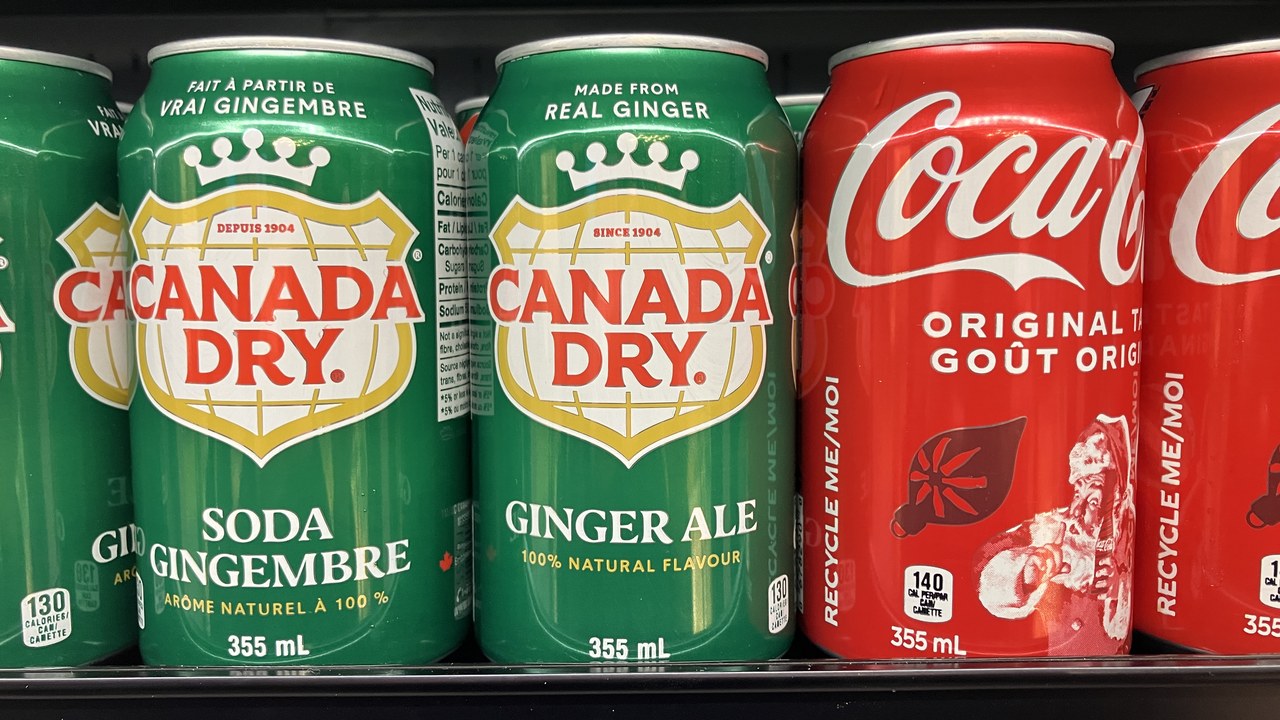
Ohio’s restriction, approved by then-Agriculture Secretary Brooke Rollins in a March 4, 2026 letter to Gov. Mike DeWine, would have barred SNAP benefits from being used on beverages where sugar, corn syrup or high-fructose corn syrup is the first ingredient, plus carbonated drinks where one of those three is the second ingredient. In practice, that meant full-sugar sodas like Coke and Sprite would have stopped ringing up on an EBT card, while diet and sugar-free versions of the same drinks would have kept working. The waiver’s scope was expanded on June 23, 2026, and carried a two-year clock starting from its planned October 1 launch.
The rule wasn’t a surprise rollout. Ohio’s Department of Job and Family Services had already been circulating compliance paperwork to SNAP retailers statewide, asking store owners to sign forms attesting they would stop selling the affected drinks to customers paying with EBT cards. That prep work is now sitting unused, with retailers who already signed the state’s attestation form waiting on a program that hasn’t restarted.
Free retirement updates: One number can cost or save hundreds a month in retirement. The free Retirement Shield newsletter surfaces the ones worth knowing. Sign up free.
USDA Asked for the Pause, Not a Courtroom
Ohio was one of roughly two dozen states that answered the Trump administration’s encouragement to request their own SNAP food restrictions, aiming to keep benefits from subsidizing soda, candy and other items USDA considers non-nutritious. Unlike five other states whose SNAP food waivers were struck down by a judge, Ohio wasn’t sued. According to Signal Cleveland’s reporting, the delay came directly from the U.S. Department of Agriculture, which now intends to publish a notice in the Federal Register and collect public comment before letting Ohio’s restriction proceed. A USDA spokesperson confirmed to the outlet that the notice to Ohio was connected to the litigation over the other states’ waivers, though the agency did not say how long the comment process would take.
That litigation is a federal court’s June 22, 2026 ruling in Aragon v. Rollins, which found USDA had approved SNAP food-restriction waivers for Colorado, Iowa, Nebraska, Tennessee and West Virginia without first giving the public the required notice-and-comment period. Ohio wasn’t a party to that case, and its own approval was never vacated by a judge — USDA pumped the brakes on its own initiative once the ruling raised doubts about waivers built the same way.
No November 1 Date in Ohio, Unlike Its Neighbors
South Carolina and North Dakota, which faced similar last-minute delays on their own candy-and-soda waivers, have a new target date: November 1, 2026. Ohio does not. Signal Cleveland reported plainly that “it’s not clear how long the ban will be on hold,” and as of this week USDA’s own Ohio waiver page still lists an October 1, 2026 target implementation date, out of step with the delay everyone involved has confirmed. Ohio’s Department of Job and Family Services has not published a replacement date either.
The pause isn’t a blanket freeze on every state with a similar timeline, either. Virginia has its own October 1, 2026 target date to restrict SNAP purchases of “sweetened beverages,” and nothing in USDA’s public reporting suggests that waiver has been delayed the way Ohio’s has. So far, the agency’s response has been case-by-case rather than a nationwide hold on every waiver that shares Ohio’s start date, which makes Ohio’s open-ended timeline harder for households and retailers to plan around.
What Actually Changes for Shoppers Right Now
Ohio’s approval was written for a two-year run starting whenever it actually launches, so the delay doesn’t kill the restriction, it just pushes the whole window back by however long the Federal Register process takes. Households on SNAP have no official notice to watch for beyond whatever the Ohio Department of Job and Family Services eventually posts, since USDA has not committed to a specific comment-period length or a date by which it expects to finish reviewing feedback.
Nothing changes at the register today. SNAP cards in Ohio still work exactly as they did before this waiver was approved, on full-sugar sodas and every other drink the restriction was designed to exclude. Retailers who already trained staff and signed compliance forms are left waiting on the same open-ended timeline as everyone else. The waiver itself remains formally approved on paper; only its start date has gone dark, with the next real signal likely to come whenever USDA publishes the Federal Register notice it says is now required.
Until that notice appears, the clearest record of where things stand is USDA’s own waiver table, which as of its most recent August 25, 2026 update still shows Ohio’s restriction targeting sugar-sweetened beverages and fountain drinks — dated, unchanged, and waiting on the agency that wrote it.
This article was produced with AI assistance and reviewed by a human editor. Figures are linked to their primary sources; where a claim could not be verified from the public record, we say so.
More Financial Reading