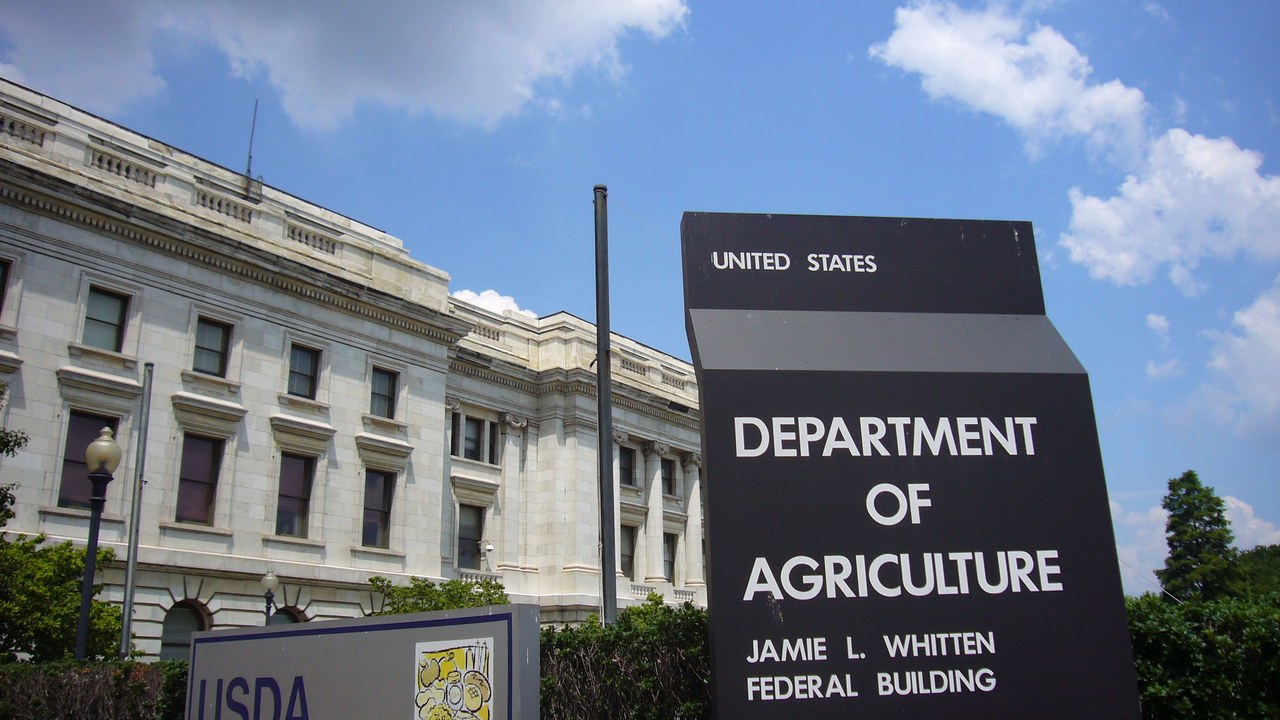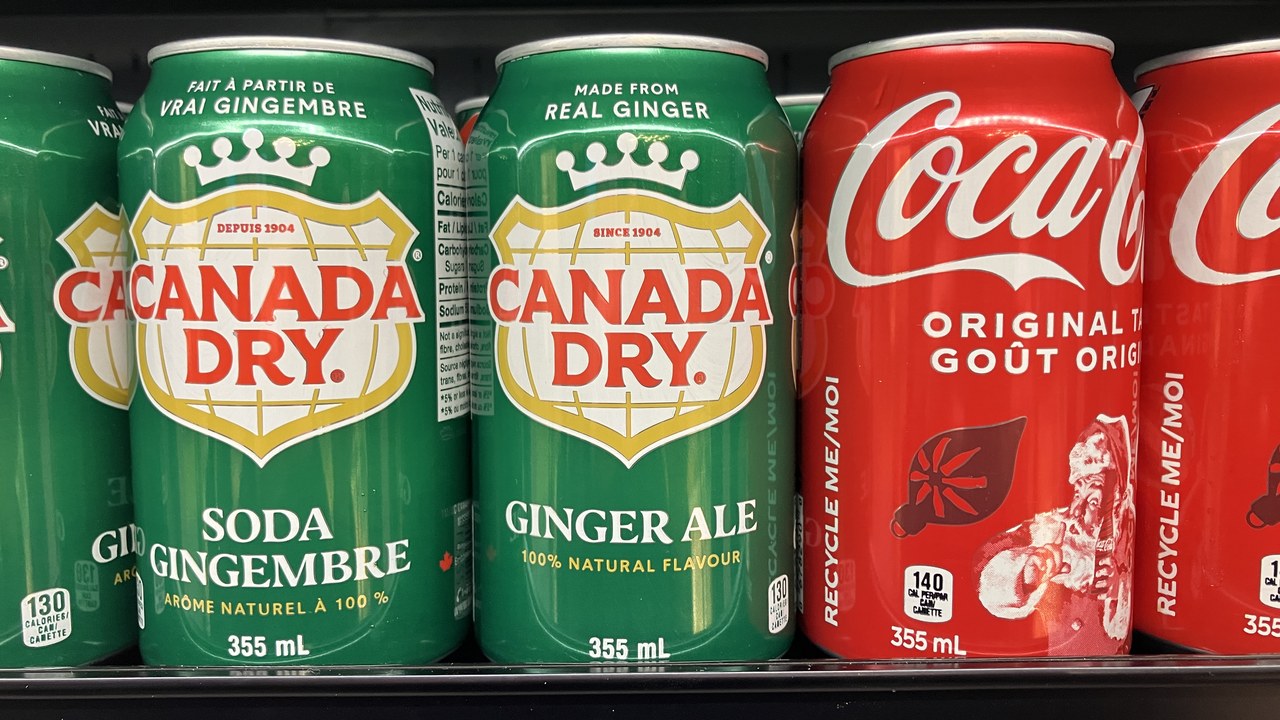
The U.S. Department of Agriculture has taken its fight over food stamp restrictions on soda and candy to a federal appeals court, roughly three months after a district judge vacated the program in five states. The appeal doesn’t change what SNAP shoppers can buy anywhere today, but it does keep the underlying legal question — whether USDA followed its own rules when it approved these waivers — unresolved for the foreseeable future.
The Ruling USDA Is Appealing
The case started with SNAP participants, not a state government. According to Signal Cleveland’s reporting on the fallout, recipients in five states sued USDA over the food-restriction waivers the agency had approved for their states, arguing the approvals never should have happened. On June 22, 2026, the U.S. District Court for the District of Columbia ruled in Aragon et al. v. Rollins et al. that USDA’s approval of certain SNAP food-restriction waivers exceeded the agency’s legal authority. Those waivers had let Colorado, Iowa, Nebraska, Tennessee and West Virginia exclude items like soda, candy and other foods USDA deemed unhealthy from the list of things SNAP benefits could buy. The order states plainly that the agency’s approval “be vacated” and that “the waiver’s implementation may not proceed” in those five states specifically.
The legal question wasn’t a paperwork technicality. The order, posted directly on USDA’s own waiver tracking page, reflects a finding that USDA had exceeded the authority Congress gave it to run SNAP demonstration projects in the first place, and separately, that the agency skipped a required step: publishing a notice in the Federal Register with time for public comment before letting a project with this kind of nationwide reach take effect. That second finding, a missing public-notice step, is the same reasoning USDA has since cited in asking South Carolina, North Dakota and Ohio to pause their own waivers without waiting for a court to order it.
Free retirement updates: Enrollment and claim windows come and go, and missing one can cost real money. The free Retirement Shield newsletter stays ahead of the deadlines that matter. Sign up free.
An Appeal Filed, Not Yet Argued
USDA filed its notice of appeal with the U.S. Court of Appeals for the District of Columbia Circuit on August 21, 2026, roughly two months after the district court’s ruling. As of this week, according to the National Law Review’s summary of the docket, the parties have not yet briefed the issues, meaning neither side has filed the legal arguments a panel of judges would eventually rule on. There is no public timeline for briefing, oral argument or a decision, and nothing in the record indicates which way the appeal is likely to go. Appeals like this one typically take months, sometimes longer, between the filing of a notice and a final ruling, so households in the affected states should not expect a resolution soon.
One State Kept Its Waiver Running Anyway
The June ruling didn’t freeze every SNAP food waiver nationwide, only the five it named directly. Arkansas’s own soda-and-candy restriction took effect July 1, 2026 — just nine days after the court’s decision — with state officials maintaining the ruling didn’t apply to Arkansas’s waiver at all. That distinction matters for any household trying to track which states are actually enforcing a restriction today: a vacated waiver in one state doesn’t automatically pause an active one next door.
Other States Are Pausing Without Being Sued
Separately, and without any court ordering it, USDA has also asked South Carolina, North Dakota and Ohio to delay their own SNAP food waivers so the agency can first publish a Federal Register notice and collect public comment — the same procedural step the court found missing in the Aragon case. None of those three states were defendants in the lawsuit, and none of their waivers were vacated by a judge; the delay is USDA acting on its own before another challenge can be filed.
What the Appeal Does and Doesn’t Decide
For now, the practical effect of the appeal is that the legal status of these waivers stays open rather than settled. SNAP shoppers in Colorado, Iowa, Nebraska, Tennessee and West Virginia can still buy soda and candy with their benefits while the case works through the D.C. Circuit, exactly as they could the day after the June ruling. Whatever the appellate court eventually decides will reach beyond these five states: USDA’s own waiver tracker shows roughly 18 other states, from Florida to Wyoming, with a SNAP food-restriction waiver approved on the same legal footing the district court questioned, at various stages of implementation.
That’s why the appeal matters even to households nowhere near the five states directly affected. If the D.C. Circuit upholds the vacatur, every one of those other approvals becomes newly vulnerable to the same challenge. If it reverses, USDA’s authority to approve these projects gets stronger, and the case-by-case pauses in South Carolina, North Dakota and Ohio could resolve faster in the agency’s favor. Neither outcome is predictable from where the case stands today. Until briefing actually begins, the docket summary published this week remains the clearest public record of where the case stands.
This article was produced with AI assistance and reviewed by a human editor. Figures are linked to their primary sources; where a claim could not be verified from the public record, we say so.
More Financial Reading