
Category: Government Programs
-
Eight months on, Trump’s Great Healthcare Plan is still only a request to Congress
Eight months after the White House unveiled what it branded the Great Healthcare Plan, the proposal sits exactly where it started: a list of asks aimed at Congress, not a change written into federal law. The plan promises lower drug prices, lower insurance premiums, and new rules for large insurers, and the administration has kept…
-
Every state Medicaid program applied to Trump’s drug-pricing model, and the last holdouts have until September 30
Every Medicaid program in the country has filed an application for a new federal prescription drug pricing model, and federal regulators say most have already gone a step further and signed on for good. The Centers for Medicare & Medicaid Services said on September 18, 2026, that all 50 states, plus the District of Columbia…
-

Five years of recovery from a substance use disorder ends a Medicaid work-rule exemption
A federal rule now in effect ties continued Medicaid coverage for millions of adults to a monthly work or activity requirement, but it carves out an exemption for people the government classifies as medically frail. Guidance the Centers for Medicare & Medicaid Services posted on September 8, 2026 spells out exactly how that exemption applies…
-

Medicaid will use a diagnosis code, not a doctor’s note, to decide who is too sick to work
Starting no later than January 1, 2027, states running Medicaid’s new work requirement will decide who is too sick to comply largely by matching a diagnosis code already sitting in a claims file, not by waiting on a letter from a treating doctor. The code comes out of the 2025 Working Families Tax Cut law,…
-
The same savings limit that decides food stamp eligibility also defines a disqualifying lottery win
USDA’s Food and Nutrition Administration resets several dollar figures each fall, and the fiscal year 2027 update carries an unusual twist. Starting October 1, 2026, the asset limit that most households must stay under to receive Supplemental Nutrition Assistance Program benefits holds at $3,000, while the limit for households with a member age 60 or…
-

USDA opened a comment window on eighteen states’ food stamp soda bans that closes October 15
The U.S. Department of Agriculture’s Food and Nutrition Administration published eighteen separate notices in the Federal Register on September 15, 2026, each one inviting written comment on a different state’s plan to change what a Supplemental Nutrition Assistance Program card can buy. The states run from Montana and Idaho to Arkansas, Utah and more than…
-

Montana’s new limits on what a food stamp card buys are delayed to November 1
Montana households that use the Supplemental Nutrition Assistance Program will keep buying candy, energy drinks and other soon-to-be-restricted items for about a month longer than most trackers currently show. The state’s own SNAP program page now states that the Healthy SNAP Food Restriction Demonstration Waiver has been delayed from a September 30 target to November…
-
Eighteen states now have an approved date for restricting what a food stamp card buys
A federal tracking page run by the U.S. Department of Agriculture’s Food and Nutrition Administration lists twenty-three approved state waivers letting SNAP agencies block certain purchases, from candy to energy drinks, on the government benefit card. Read literally, that page supports a narrower number: only eighteen of those twenty-three rows carry a live start date…
-

The VA is suspending life insurance premiums for 457,000 veterans for three months
The Department of Veterans Affairs will stop collecting premiums from more than 457,000 Veterans’ Group Life Insurance policyholders for three months this fall and winter, the agency announced on September 16, 2026. It is the first premium holiday in the history of the VGLI program, which lets veterans keep term life insurance coverage after they…
-
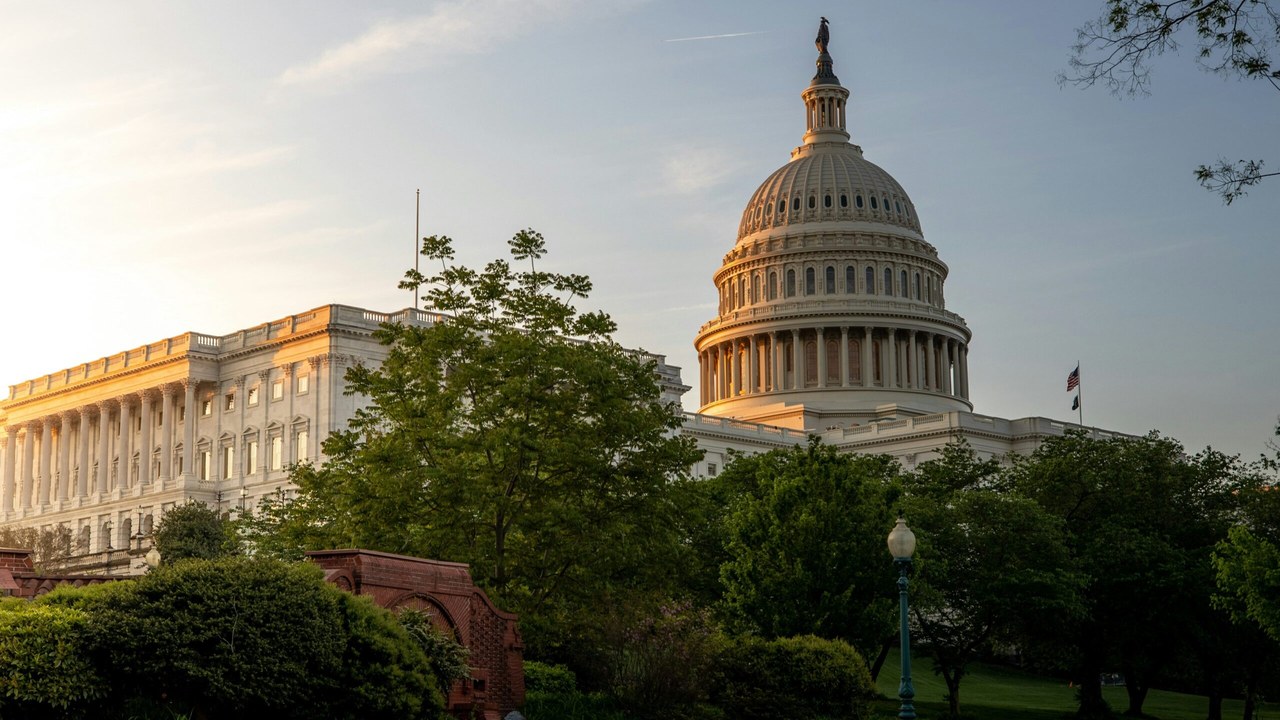
The government is funded only through December 11 under the stopgap signed September 2
A stopgap spending law is keeping the federal government’s discretionary agencies funded at current levels through December 11, following months of on-and-off funding fights earlier in 2026. The measure, H.R. 6500, the “Continuing Appropriations and Extensions Act, 2027,” was signed into law on September 2, 2026, after clearing the House 370-48 and the Senate 90-6.…