
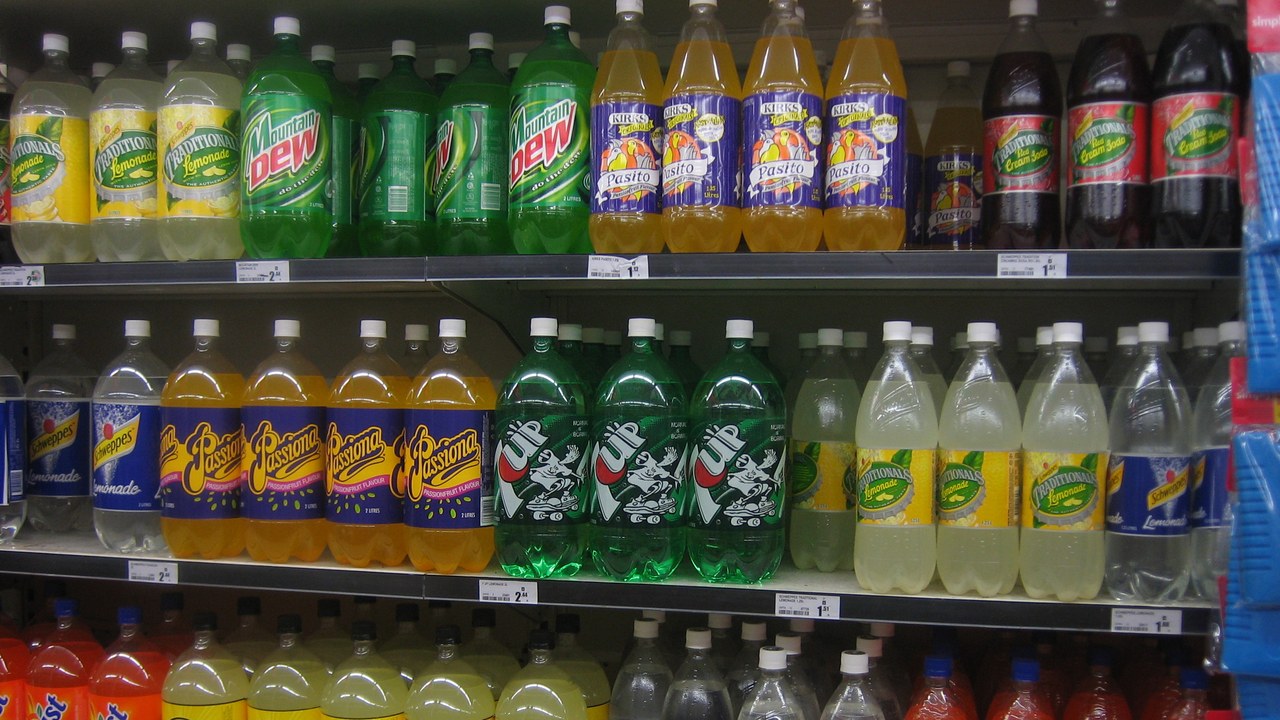
The U.S. Department of Agriculture’s Food and Nutrition Administration published eighteen separate notices in the Federal Register on September 15, 2026, each one inviting written comment on a different state’s plan to change what a Supplemental Nutrition Assistance Program card can buy. The states run from Montana and Idaho to Arkansas, Utah and more than a dozen others, and every notice covers the same kind of change: pulling soda, candy, energy drinks or other sweetened items out of the legal definition of food that SNAP benefits cover. Anyone who wants to weigh in on any of the eighteen has until October 15, 2026 to do it, and the filing process is identical no matter which state’s project a person cares about.
The Law Behind Eighteen Separate Filings
Every one of the eighteen notices rests on the same section of federal law: Section 17(b) of the Food and Nutrition Act of 2008, a provision that lets the Food and Nutrition Administration approve state-run demonstration projects meant to test whether a change to SNAP can raise nutrition levels among the households the program serves. All eighteen filings use that authority the same way: a state asks FNA to narrow the legal definition of “food” that a SNAP card is allowed to purchase, carving out a category such as soda, candy, energy drinks, sweetened beverages or prepared desserts.
Montana’s version, described in the notice FNA published for that state, would drop “high-sugar beverages, energy drinks, candy, and prepared desserts” from the purchase list once the project takes effect on September 30, 2026, under the same 7 U.S.C. 2026(b) authority cited in every one of the eighteen filings.
Free download: The recertification document list, how to handle a missing benefit or skimmed card, and when to ask for a fair hearing. Download the free SNAP checklist.
Filing a Comment Through Regulations.gov Before October 15
Each notice gives commenters the same two-step path: submit through the Federal eRulemaking Portal at regulations.gov, following the online instructions for that particular state’s docket, or reach FNA directly by mail through the address printed in the notice. Every notice carries the identical disclosure that all written comments “will be included in the record and will be made available to the public,” and that the identity of anyone who files one is subject to that same public disclosure. FNA describes the comment step as something it does “although not required by statute” — a voluntary transparency measure layered onto approvals the agency has typically already made, rather than a formal rulemaking vote. By the time this batch of notices went up, several of the eighteen dockets already showed early filings — a handful of comments logged against the Idaho and Arkansas notices within days of publication — well ahead of the mid-October cutoff.
Idaho’s Exclusion Has Been Running Since February — Comments Are Still Open
The comment period is not a precondition for these projects to start, and Idaho is the clearest proof. FNA approved Idaho’s request to remove “soda” and “candy” from what its SNAP recipients can buy back on June 10, 2025, and Idaho later moved its own start date up to February 15, 2026 — meaning the restriction had already been in place for roughly seven months by the time this comment notice went up on September 15, 2026. The notice states that FNA is “particularly interested in comments regarding the state’s implementation and operation of the demonstration project,” language that appears in all eighteen filings. That framing makes the comment window less like a hearing on whether a rule should exist and more like an open channel for feedback on a rule already running.
Why No Two States’ Exclusion Lists Match
The eighteen states did not copy one another’s language. Utah’s request covers only “soft drinks,” and its version has been in effect since January 1, 2026. Arkansas went considerably further, asking to exclude “soda, low and no-calorie soda, fruit and vegetable drinks with less than 50% natural juice, other unhealthy drinks, and candy,” a request the state later amended to spell out exactly which items counted as allowable or unallowable under the pilot. Montana sits in between, targeting high-sugar drinks, energy drinks, candy and prepared desserts specifically. A grocery clerk in Boise, one in Little Rock and one in Helena are effectively working from three different lists of what an EBT card can ring up, even though all three states are operating under the identical federal statute and the identical October 15 comment deadline.
One FNA Page Tracks All Eighteen Waivers, State by State
Every notice points to the same source for keeping the eighteen projects straight: a central page FNA says it created on May 21, 2025 to post each state’s project request, its approval, and its exact implementation timeline. That page is the one place where a household, a retailer or a state legislator can check whether a given state’s restriction has already taken effect, is still pending, or remains open to the October 15 comment window — since, as Idaho and Utah show, those three statuses are not the same thing, and a state’s spot in the news cycle this month says nothing about when its own version of the rule actually started. Beyond Montana, Idaho, Arkansas and Utah, the same September 15 batch of notices covers Florida, Hawaii, Indiana, Kansas, Louisiana, Missouri, Nevada, North Dakota, Ohio, Oklahoma, South Carolina, Texas, Virginia and Wyoming — eighteen states in total, each running its own version of the same demonstration authority under its own timeline, but all sharing the identical October 15 comment deadline.
Keeping a SNAP Case Current While the Rules Around It Shift
A comment period draws attention to what a state’s SNAP program can sell, but it does nothing to track the paperwork that keeps a household’s SNAP or Medicaid case open in the first place. Renewal packets, income reviews and reporting deadlines run on their own separate schedule no matter which items end up on or off a state’s exclusion list, and a missed form — not a change to the shopping list — is what actually ends a household’s coverage.
The SNAP & Medicaid Renewal Organizer opens with a renewal and reporting calendar and closes with a breakdown of the 90-day window after coverage is dropped.
Open the renewal and reporting calendar in The SNAP & Medicaid Renewal Organizer.
AI-assisted research and drafting; reviewed by an editor.


