
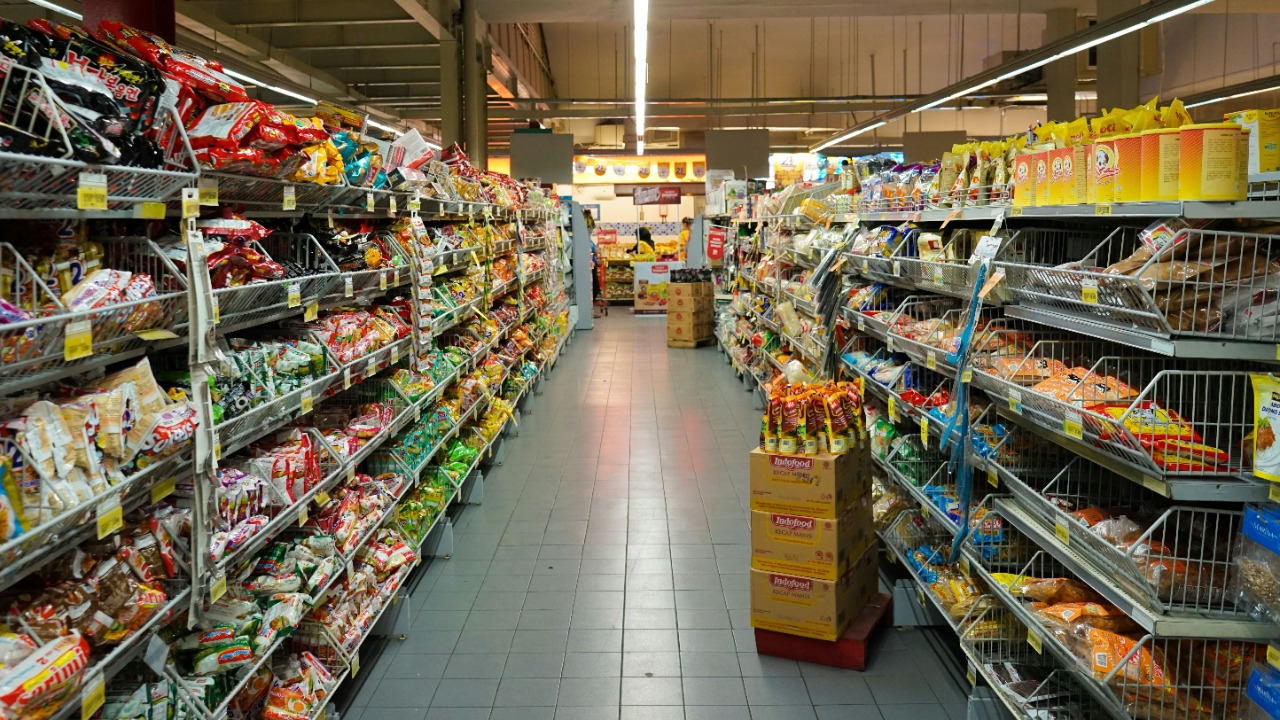
Montana households that use the Supplemental Nutrition Assistance Program will keep buying candy, energy drinks and other soon-to-be-restricted items for about a month longer than most trackers currently show. The state’s own SNAP program page now states that the Healthy SNAP Food Restriction Demonstration Waiver has been delayed from a September 30 target to November 1, 2026. The gap between what Montana’s agency says and what the federal government’s public list still shows is the story: one record moved, the other has not caught up, and only one of them controls what happens at a Montana checkout counter.
Montana’s Own Agency Says November 1; USDA’s Table Still Says September 30
The Montana Department of Public Health and Human Services, the agency that actually runs the demonstration and instructs retailers on compliance, now posts a notice at the top of its Healthy SNAP Food Restriction Waiver page stating plainly that the implementation date has been delayed to November 1, 2026. The page lists the restricted items as taking effect beginning that date, with no mention anywhere of the earlier September 30 target.
The U.S. Department of Agriculture’s Food and Nutrition Administration, which approved Montana’s waiver request, runs a separate national tracking table listing every approved state waiver and its target implementation date. As of the table’s own timestamp of September 16, 2026, USDA’s table still lists Montana at 09/30/26, unchanged from the original approval, while Montana’s own program page already reflects the later date. For a Montana shopper deciding what a SNAP card will and will not cover on a given morning, the state’s operating agency is the record that governs, because it is DPHHS, not USDA’s tracker page, that instructs Montana retailers when to reprogram point-of-sale systems and start blocking restricted items. A retailer that blocked candy or energy drinks on September 30 based on the older federal listing would be acting a month ahead of the state’s own current instruction.
Free SNAP checklist: A missed recertification step can pause food benefits, and EBT problems have their own fixes. Get the free recertification and EBT checklist.
What a SNAP Card Will Stop Covering at the Register
Once the waiver takes effect, Montana’s SNAP benefits will no longer pay for four categories of items, based on the state’s published definitions. Candy covers shelf-stable sugar or sweetener confections such as gummies, hard candies, licorice and compressed sugar pieces. High-sugar beverages are carbonated or flat drinks sweetened with more than 10 grams of sugar per 8 fluid ounces. Energy drinks are defined by a caffeine threshold of more than 6 milligrams per fluid ounce, or more than 140 milligrams per container, combined with stimulant ingredients such as taurine, guarana or ginseng. Shelf-stable prepared desserts are described as processed, ready-to-eat packaged sweets made mostly from modified food substances rather than whole ingredients. Montana’s retailer exclusions flyer spells out the same four categories store staff will need to block once the new date arrives.
What Still Rings Up Normally
Several items that might seem similar to the restricted categories remain eligible for purchase with SNAP benefits. Plain or naturally flavored water, artificially sweetened beverages, drinks that are more than 50 percent fruit or vegetable juice by volume, meal replacement beverages, medical-grade electrolyte replacement beverages, milk and milk substitutes, coffee, tea, protein bars, meal replacement bars, certain fruit snacks and store-made bakery items are all carved out under Montana’s published definitions. Baking ingredients, fruit snacks made with real fruit and no added sugar, and granola or trail mix products that are substantially nut-based or real-fruit-based are also excluded from the candy definition, even when they sit on a shelf near restricted items. A diet soda, for instance, falls outside the high-sugar beverage definition because it does not cross the 10-gram sugar threshold, and a bakery item made fresh in-store rather than shelf-stable and packaged also stays off the restricted list.
Why Montana Pursued the Waiver
Montana submitted the waiver request as part of a broader push tied to public health goals around obesity, type 2 diabetes and cardiovascular disease. A letter of support from Governor Greg Gianforte’s office backed the request as a way to test whether restricting low-nutrition purchases shifts spending toward fruits and vegetables, and whether retailers expand access to non-restricted items, particularly in rural parts of the state. Montana plans to track purchasing patterns and gather feedback from clients, retailers and other stakeholders once the waiver takes effect, along with watching for any shift toward cross-border shopping in neighboring states without a similar restriction.
What Does Not Change for SNAP Households
The waiver does not touch SNAP eligibility rules or benefit amounts. It only narrows what a SNAP card can buy once the new date takes effect. The restriction applies statewide to every SNAP-authorized retailer, including those that accept SNAP for online orders, and each retailer is responsible for reprogramming its own point-of-sale system to recognize the newly blocked items. Montana’s program page tells retailers and households that more information regarding implementation of the waiver will be provided soon, language that, paired with the delayed date, indicates the state is still finalizing the mechanics behind the November 1 start date it now controls.
The Deadline That Actually Requires Paperwork
Montana’s new November 1 date changes what a SNAP card can buy, but it asks nothing of a household in the way of forms or filings. SNAP and Medicaid recertification dates work the opposite way: nothing changes on the shelf, but a missed renewal deadline or a missing document can pause or end benefits outright. Between the two, the recertification date is the one that rewards advance tracking.
The SNAP & Medicaid Renewal Organizer includes a renewal document checklist and the 90-day window after coverage is dropped.
See the renewal and reporting calendar in The SNAP & Medicaid Renewal Organizer.
AI-assisted research and drafting; reviewed by an editor.


