
Author: Elizabeth Blessing
-

USDA told South Carolina, North Dakota and Ohio to hold off on banning candy and soda from food stamp cards.
Grocery shoppers on food assistance in South Carolina and North Dakota were bracing to lose the ability to buy candy and soda with their benefits within days. Instead, the federal agency that runs the program told both states, plus Ohio, to stand down. The reason traces back to a federal courtroom in Washington, D.C., not…
-

Roughly 15 percent of Medicaid’s expansion population is expected to drop off in the years after the work rule starts.
Buried inside the same Medicaid work requirement taking effect January 1, 2027, is a number that has less to do with whether people are working and more to do with whether they can keep up with the paperwork. The Centers for Medicare & Medicaid Services’ own regulatory analysis, published alongside the rule it issued this…
-

Medicare tightens the rules on plan debit cards for 2027.
Millions of Medicare Advantage enrollees now get a plastic debit card loaded with an allowance for things like groceries, over-the-counter items, or utility bills, part of the supplemental benefits plans use to compete for members. Those cards have also become a magnet for confusion and, according to federal regulators, outright misuse. Starting in 2027, Medicare…
-
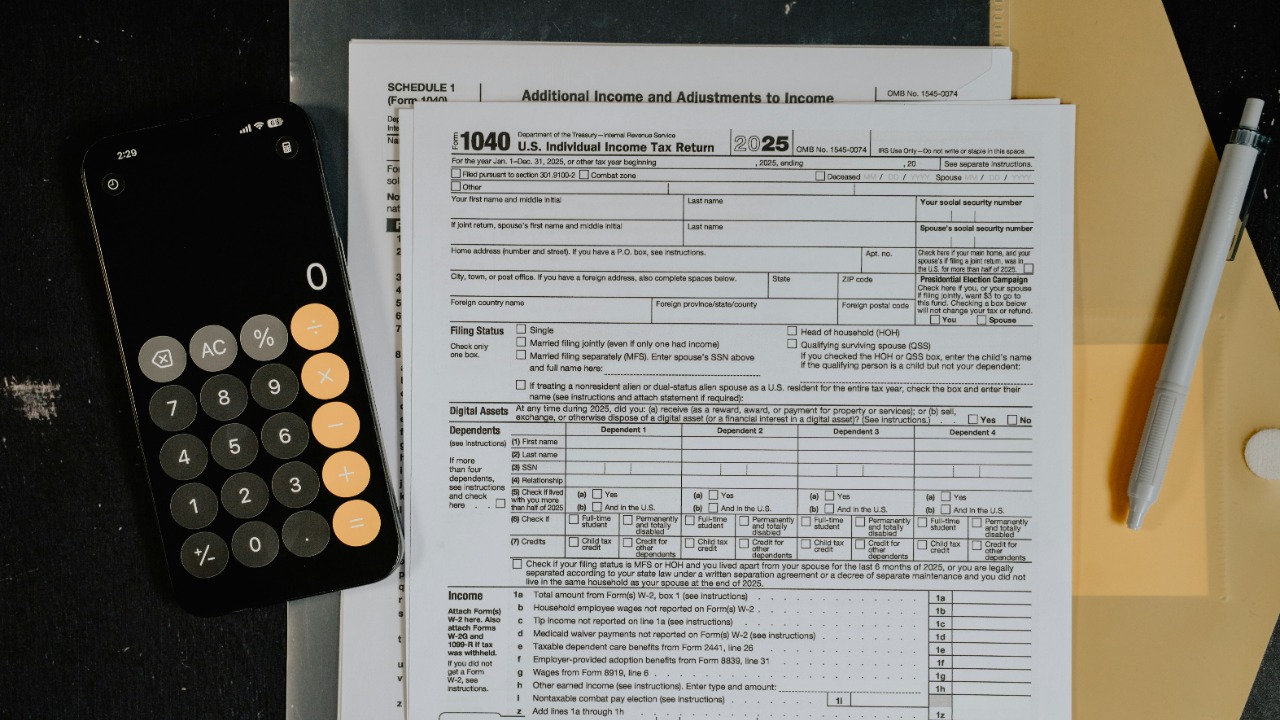
Fewer than one in 200 returns used the free federal filing tool.
Treasury’s own math on the government’s free federal e-filing tool comes down to one blunt fraction: fewer than one in every 200 tax returns filed for tax year 2024 went through Direct File. That single number, buried in a report Treasury sent Congress last October, is the central justification the department gives for suspending the…
-

Home insurance is set to hold flat or fall this year in five states.
Home insurance premiums are on track to rise again nationwide in 2026, but not everywhere. New projections show five states are bucking that trend entirely, with average premiums expected to hold flat or actually fall slightly by the end of the year even as the national average climbs. It is a rare bright spot in…
-

The IRS is telling households to protect tax and financial records now, before a disaster makes them impossible to replace.
With hurricane season still active and wildfire risk elevated across parts of the West, the IRS used the first week of National Preparedness Month to make an unusual pitch: treat your tax paperwork like an emergency supply. The agency’s September 3 reminder, IR-2026-104, walks through what to protect and how, on the theory that a…
-

Guam’s food stamp maximum for a family of four is $1,507, almost $500 above the mainland figure.
A family of four applying for SNAP in Guam qualifies for a bigger maximum monthly benefit than an identical family in the 48 contiguous states, and the gap is substantial: $1,507 a month versus $1,023, under the U.S. Department of Agriculture’s newest cost-of-living update. That’s a difference of $484, or roughly $5,800 over a full…
-

California buyers get three days to return a used car to the dealer starting October 1, with new disclosure rules attached.
California is about to give used-car buyers something almost no other state offers: a real, no-questions-required window to change their mind. Starting October 1, 2026, a buyer who drives home in a used vehicle priced at $50,000 or less gets three calendar days to bring it back to the dealer and cancel the deal. For…
-

Alaska, Hawaii and Guam all get bigger food stamp shelter deductions than the mainland.
Every SNAP household’s food benefit is calculated off net income, and one of the biggest deductions in that math is for shelter costs that eat up more than half a household’s income after other deductions are applied. Starting October 1, 2026, the cap on that deduction is rising across the board under USDA’s newest cost-of-living…
-

An identity protection PIN shuts a stolen Social Security number out of a fake tax return, and the IRS pushed it again on September 4.
The IRS and its partners in the Security Summit are once again steering taxpayers toward a simple tool that can stop identity thieves from filing a tax return in someone else’s name. On September 4, 2026, the agency issued IR-2026-106, the fourth release in its “Protect Your Clients; Protect Yourself” summer series, urging both tax…
