
Author: Brian Lund
-

Credit card holders whose card number is stolen but whose card is not owe nothing for charges they did not authorize, the FTC says
A credit card holder whose card number is stolen, while the physical card stays in the wallet, owes nothing for charges they did not authorize. The Federal Trade Commission’s consumer site puts it in one sentence: “You aren’t responsible for any charges you didn’t authorize.” That rule covers the most common kind of card theft,…
-

Old Cadence Bank routing numbers keep working only through 2026 after the Huntington switch
Former Cadence Bank customers who now bank with Huntington have until the end of this year before their old routing number stops working. Huntington says the routing number changed to its own, and that the Cadence account and routing numbers “will still work through the rest of the year.” The page gives no exact cutoff…
-

Massachusetts raises its top paid leave benefit to $1,284.61 a week for 2027 leaves
Massachusetts workers who start a paid family or medical leave in 2027 can receive up to $1,284.61 a week, the state’s new maximum. That is up from $1,230.39 a week for leaves that start in 2026, an increase of $54.22 a week at the top of the scale. The state’s Department of Family and Medical…
-

Debt collectors cannot sue over debts past the statute of limitations under CFPB rules
A debt collector cannot take a person to court over a debt once the time limit for suing has passed. That is the rule in the Consumer Financial Protection Bureau’s Regulation F, which says a debt collector “must not bring or threaten to bring a legal action against a consumer to collect a time-barred debt.”…
-

Equifax, Experian and TransUnion permanently let consumers check credit reports free every week at AnnualCreditReport.com
The three nationwide credit bureaus, Equifax, Experian and TransUnion, have made weekly free credit reports a permanent feature. The Federal Trade Commission says the bureaus “have permanently extended a program that lets you check your credit report from each once a week for free.” That is a big change from the old rule of one…
-
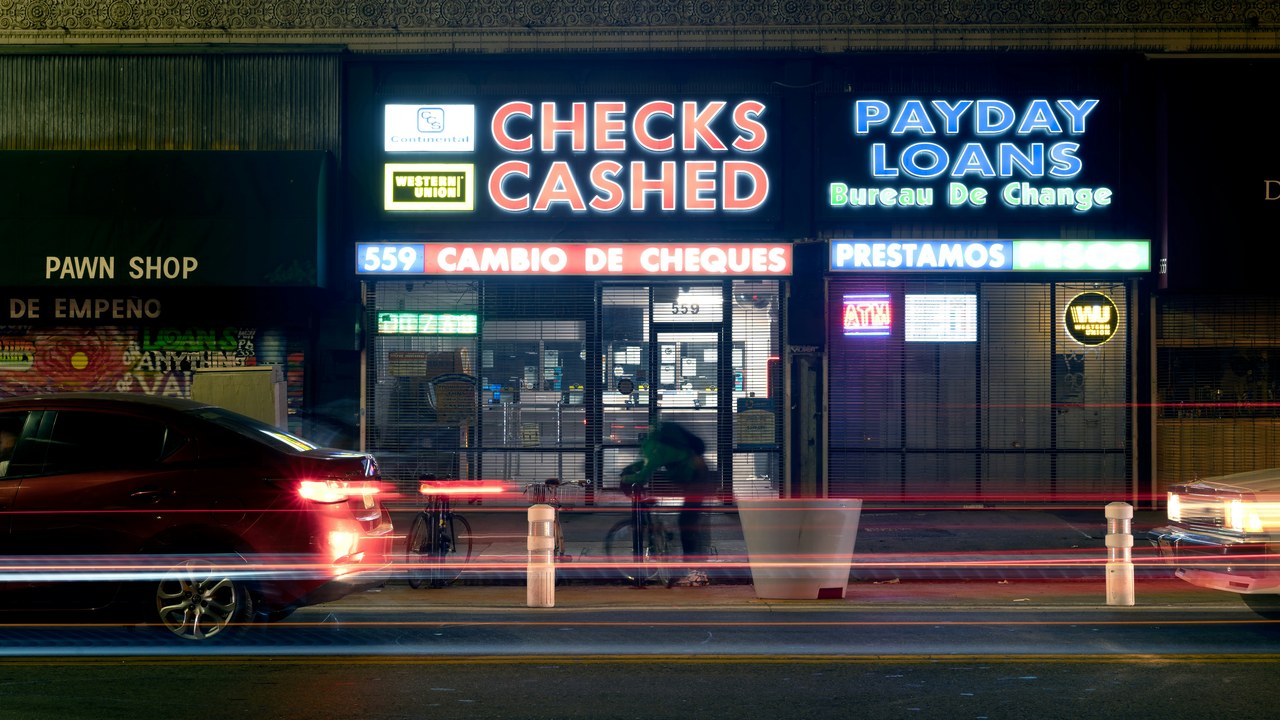
New York Joint Juice settlement checks go void December 14, from a $19.16 million fund
New York payments from the Joint Juice settlement are going out, and the check that arrives has a short life. A settlement tracker reports that the New York payment letter says the check becomes void on December 14, 2026, less than two months from now. The New York settlement is funded with $19,160,186.47, paid by…
-

Federal workers at GS-6 and above can be promoted without a year in grade starting January 14 under an OPM rule from the Trump administration
The Office of Personnel Management has finalized a rule that ends the governmentwide wait of a year in grade before a federal employee can be promoted. The agency announced the final rule on October 19, and it takes effect January 14, 2027. The change covers competitive-service General Schedule positions at GS-6 and above. It is…
-

Walmart’s U.S. workers will pay $39.80 a paycheck for its starting health plan in 2027, up $1.50, with annual enrollment open through November 6
Walmart’s starting medical plan will cost $39.80 per biweekly pay period in 2027, up $1.50, and annual enrollment for the new year runs through Friday, November 6. The company told its 1.6 million U.S. associates about the changes in an October 13 letter. A new $0 prescription tier and paid leave for parents of newborns…
-

Amazon’s holiday seasonal staff working 30 or more hours a week become eligible for company health plans starting January 1
Amazon says its seasonal employees who work at least 30 hours a week will be eligible for company health coverage beginning January 1, 2027. The company announced the change on October 20 alongside plans to hire more than 300,000 people for seasonal, part-time and full-time U.S. operations roles. Plans start at $5 a week with…
-

Bank-issued stablecoins would have to be fully backed by permissible reserve assets such as short-term Treasury bills under a Federal Reserve proposal
The Federal Reserve wants banks that issue digital dollars to hold reserves behind every one. Under a proposal the Fed announced on September 24, 2026, a bank-issued payment stablecoin would have to be fully backed by permissible reserve assets, such as short-term Treasury bills. The rule is not final, and the public is still being…