
Author: Brian Lund
-

The IRS says families can take up to $20,000 per student a year from 529 plans for K-12 school costs in 2026 under Trump’s tax law
Families can use up to $20,000 per student per year from a 529 savings plan to pay for elementary or secondary school in 2026, according to an IRS webinar on the tax changes in President Trump’s 2025 tax law. Richard Furlong, a senior stakeholder liaison at the agency, told viewers that the maximum amount of…
-
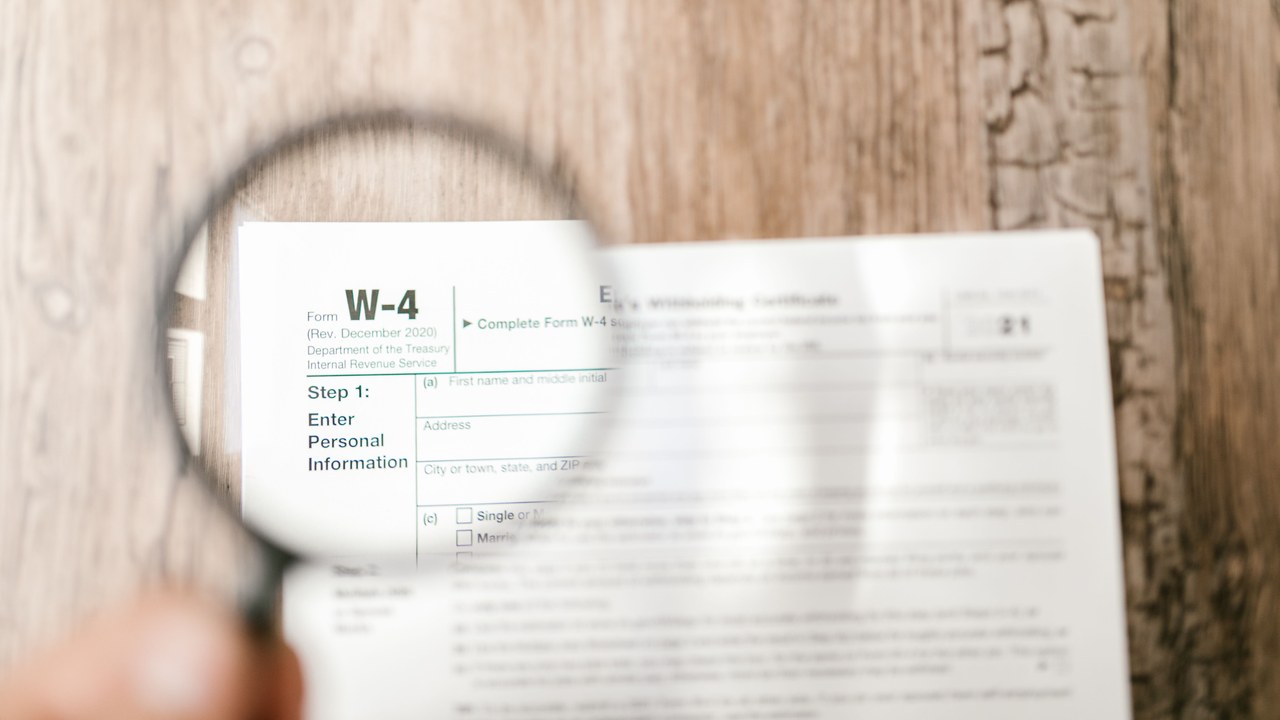
The IRS says workers whose filing status changes from married filing jointly to single or head of household need to give employers a new W-4 for 2027 by December 1
Workers whose tax filing status changes during 2026 from married filing jointly to single or head of household have until December 1, 2026, to hand their employer a new Form W-4 for 2027. That is the IRS rule in Publication 505, the agency’s guide to tax withholding and estimated tax. A change that happens late…
-

Trump’s October 22 housing order calls for a pilot that would cancel borrowers’ mortgage insurance premiums proactively, without waiting for homeowners to ask
President Donald Trump signed an executive order on October 22, 2026, that tells the Federal Housing Finance Agency to create a pilot program to cancel borrowers’ mortgage insurance premiums proactively. Under the order, homeowners would not have to ask for the premium to end. The pilot is an instruction to the agency, though, and nothing…
-

SSI claims approved since May 4, 2026 all get an automated check of the applicant’s bank accounts, even when no account is reported, Social Security policy says
Every Supplemental Security Income claim approved on or after May 4, 2026 now gets an automated check of the applicant’s bank accounts, whether or not the applicant reports owning one. Social Security’s policy message says verification is “required regardless of the claimant’s liquid resource or FI account ownership allegations.” The step comes before the agency…
-

Social Security changes direct deposit by phone only for callers with a one-time code from ssa.gov/PIN, and its notice estimates 2,084,532 people a year drop out and use another route
Social Security will change a beneficiary’s direct deposit over the phone only after the caller gives a representative a one-time code generated at ssa.gov/PIN. The phone route opened April 28, 2025, as one of three ways to redirect a monthly payment, alongside a my Social Security account online and a visit to a local office.…
-

Connecticut’s top paid leave benefit rises to $1,048.80 a week on January 1, up from $1,016.40
The most a worker can collect in a week from Connecticut Paid Leave goes up on January 1, 2027, to $1,048.80. The 2026 maximum is $1,016.40, so the new ceiling is $32.40 a week higher, an increase of about 3.2%. Connecticut announced the new amount on August 5, 2026, the same day it announced next…
-

Minnesota’s paid leave program has paid more than 75,000 workers on leave, and its payroll premium holds steady for 2027
Minnesota workers will pay the same share of their wages for paid leave in 2027 as they do now. The state’s Department of Employment and Economic Development, known as DEED, announced on Friday, July 31, that the premium stays at 0.88% of covered wages, and that more than 75,000 Minnesotans have already taken leave this…
-

eBay expects $130 million to $150 million in layoff charges, mostly severance
eBay told investors on October 22 that its second layoff round of 2026 will cost between $130 million and $150 million in pre-tax charges, almost all of it severance and post-employment benefits. The online marketplace is cutting about 9% of its global workforce, and the company expects the reductions to be substantially complete by the…
-
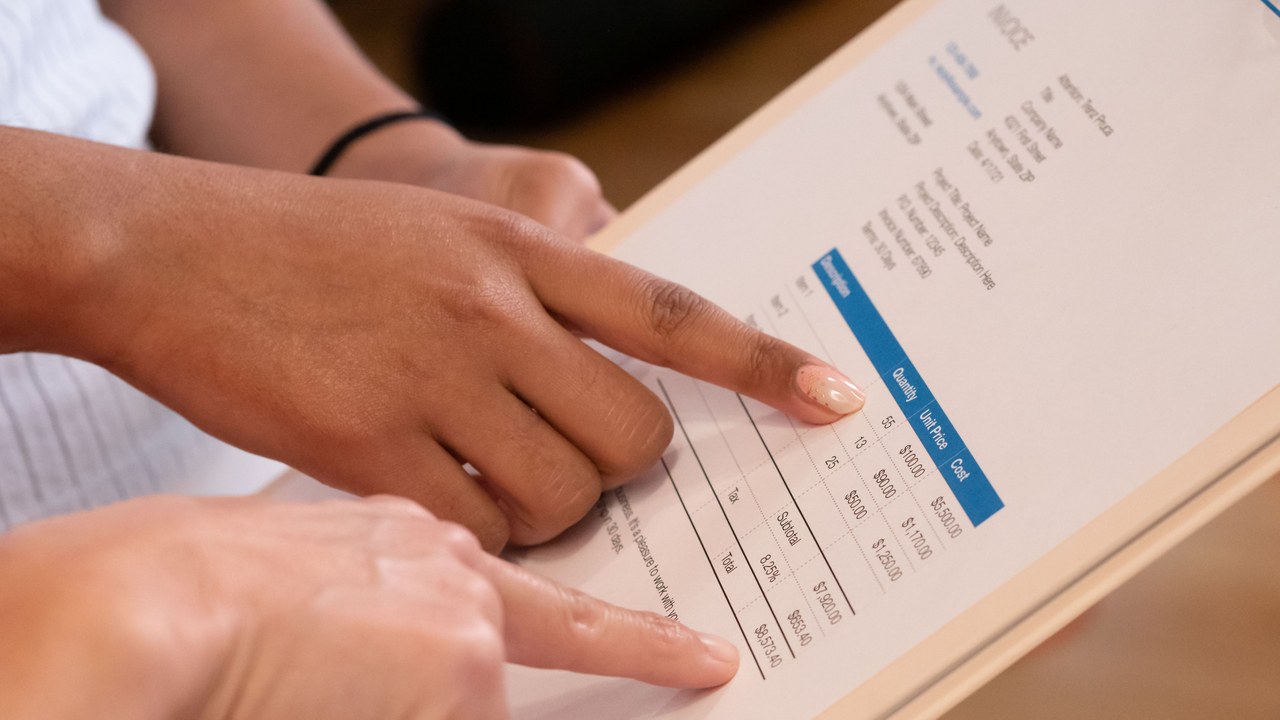
Most negative credit report items, like late payments, generally drop off after seven years
A missed payment from years ago does not follow a borrower around for life. The Consumer Financial Protection Bureau says a credit reporting company generally can report most negative information for seven years, and that includes the late payments that sit on so many older borrowers’ reports. The rule comes with a short list of…
-

Credit card holders whose card number is stolen but whose card is not owe nothing for charges they did not authorize, the FTC says
A credit card holder whose card number is stolen, while the physical card stays in the wallet, owes nothing for charges they did not authorize. The Federal Trade Commission’s consumer site puts it in one sentence: “You aren’t responsible for any charges you didn’t authorize.” That rule covers the most common kind of card theft,…