
Author: Brian Lund
-
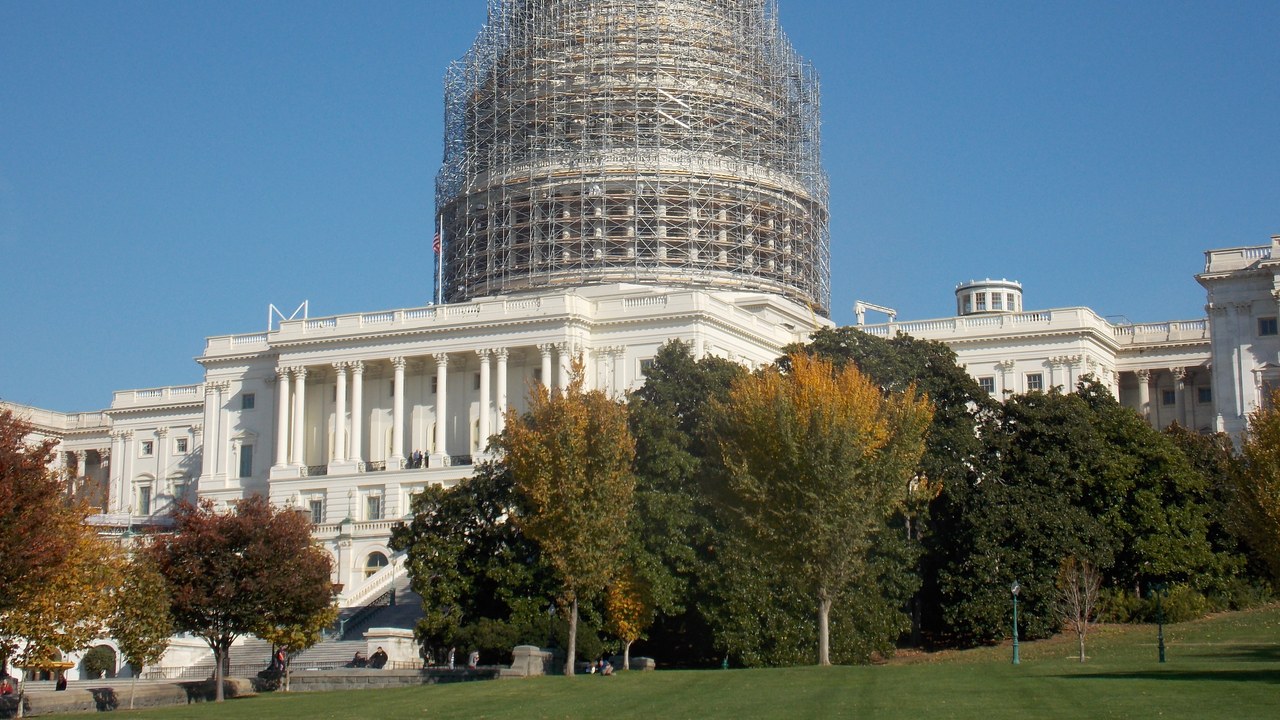
Congress repealed the $5 overdraft cap and the regulation text still sits in the federal rulebook
The federal rule that was meant to hold overdraft fees at the largest banks to $5 never took effect, and a copy of its text is still printed in the nation’s regulations. Congress wiped the rule out in 2025, but the section that carried it is still on the books of the Code of Federal…
-
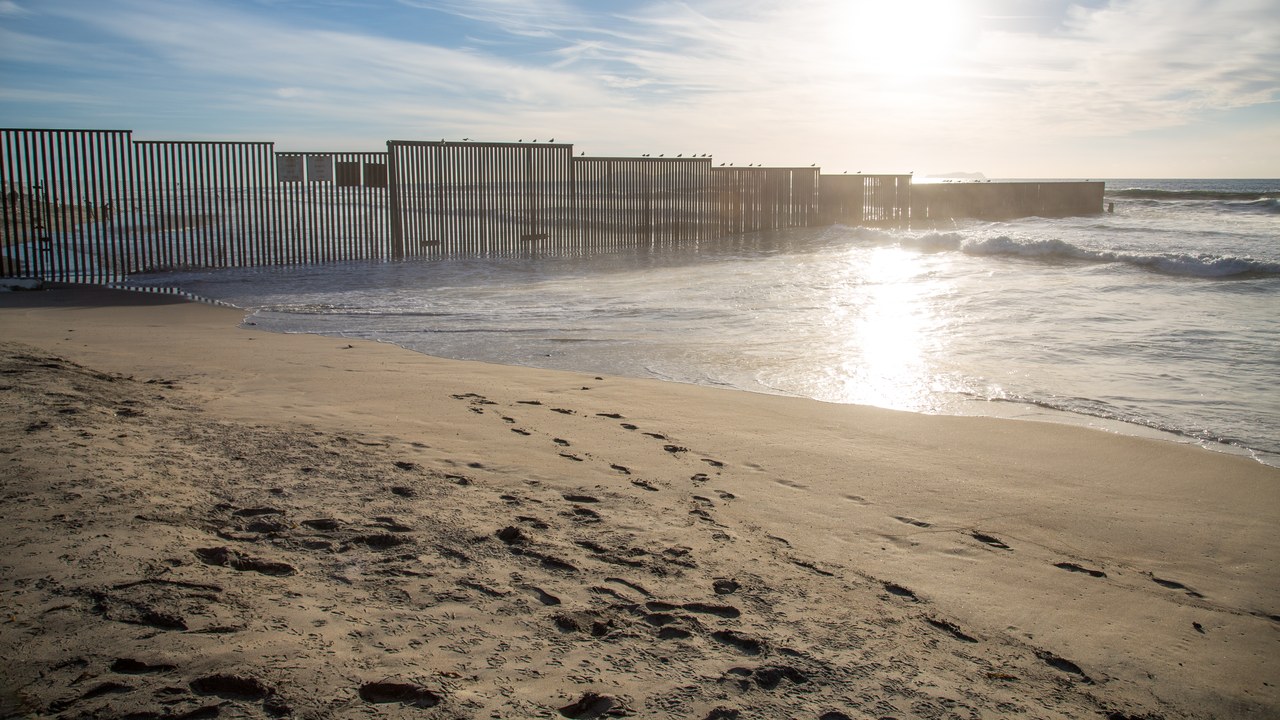
FinCEN cut the cash reporting floor to $1,000 in eight border counties
A cash exchange of $1,000 at a check casher or similar business in parts of Texas and New Mexico now triggers a federal report, a floor ten times lower than the one that normally applies. The Financial Crimes Enforcement Network, the Treasury bureau that polices illicit finance, set the lower floor in a geographic targeting…
-
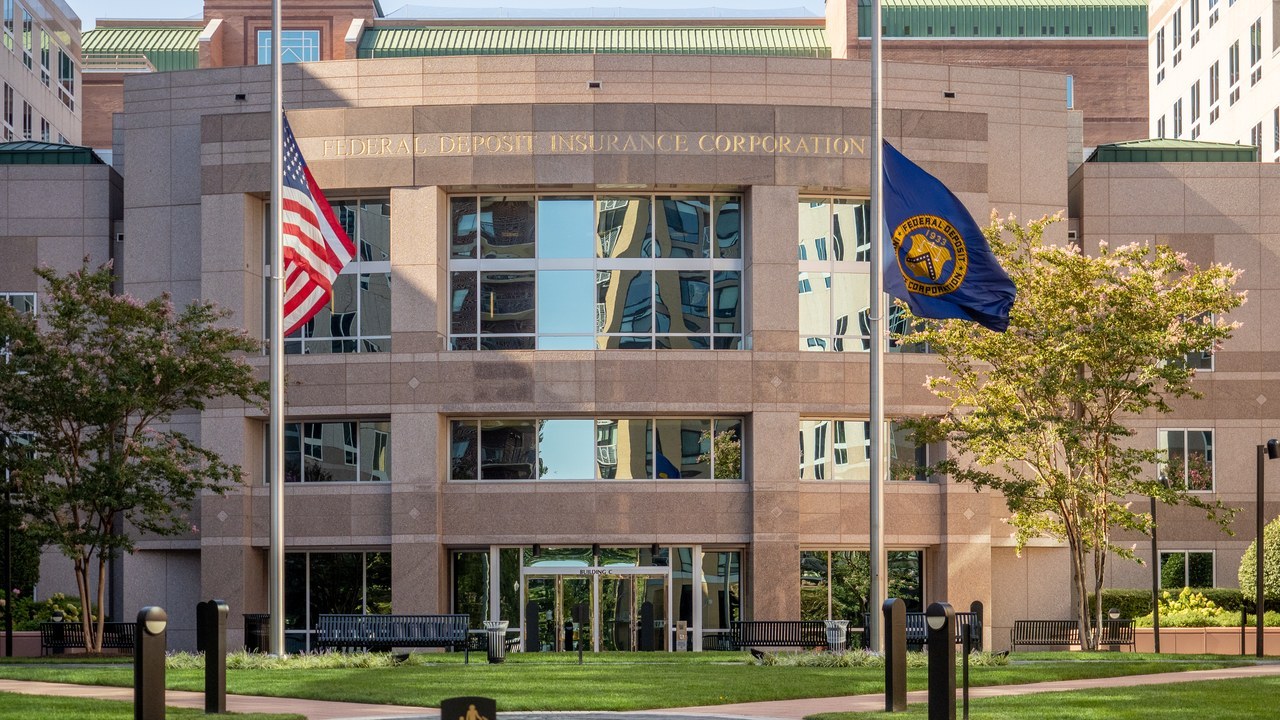
A California bank failed and substantially all of its $686 million in deposits moved to Sunwest Bank
Nano Banc, a one-branch bank in Irvine, California, was closed on September 25, 2026, and Sunwest Bank agreed to assume substantially all of its deposits. The bank held $686 million in deposits and $736 million in assets as of June 30, 2026. The Federal Deposit Insurance Corporation was named receiver, and its announcement says Nano…
-

Ten states have posted a 2027 minimum wage increase running from $17.73 in Washington down to $11.40 in Ohio
Ten states have now published their 2027 minimum wages, and the spread between the top and bottom of the group is $6.33 an hour. Washington leads at $17.73, while Ohio sits at the bottom at $11.40. Every figure comes from the state’s own labor agency, and Michigan’s $1.27 an hour is the largest single increase…
-
Congress voided the consumer bureau’s $5 overdraft cap in May 2025, so the rule never took effect
A federal cap on bank overdraft fees, built around a $5 benchmark, was finalized in the last days of 2024 and never reached a single customer statement. Congress cancelled the rule in the spring of 2025, months before its scheduled start date, using the same fast-track procedure that lawmakers have used to undo recently issued…
-

Your bank must put five specific things in writing when it holds a deposit
When a bank invokes one of the Regulation CC exceptions to delay a deposit, federal law does not leave the depositor guessing. Paragraph (g) of the funds-availability rule requires a written notice, and that notice has to carry five defined pieces of information. A notice missing the amount, the reason or the release period is…
-
Six days with a negative balance in six months lets a bank hold your deposits for the next six months
A checking account that sits below zero on six banking days inside a six-month window gives a bank the right to slow down deposited funds for the six months that follow. The rule lives in Regulation CC, the Federal Reserve’s funds-availability regulation, and it reaches every account a customer holds at the bank rather than…
-

Quits have fallen to 1.9% of employment with 7.1 million openings, leaving far less room to job-hop for a raise
Workers are leaving jobs at a slower pace than a year ago, and that changes the math on switching employers for more pay. The Bureau of Labor Statistics reported on September 29, 2026, in its Job Openings and Labor Turnover Survey (JOLTS) for August, that the quits rate was 1.9 percent of employment, or 3.1…
-

One employee at a Houston-area pediatric hospital is getting $650,000 to settle a religious-objection case
A single worker is set to receive $650,000 from a Houston-area pediatric hospital to resolve a religious-discrimination charge, according to a September 30, 2026 announcement from the U.S. Equal Employment Opportunity Commission. The employee asked to be excused from certain duties on religious grounds, was refused, and was then discharged, the agency says. Neither the…
-

A defaulted student loan can take 15% of a paycheck, the tax refund, and part of a Social Security check
Federal student loan default opens three separate routes by which the government can collect: a share of a paycheck, a tax refund, and part of a Social Security benefit. The wage route is capped at 15%. The other two are described in less detail by the federal pages that explain them, which is part of…