Two of the country’s biggest employers are now defendants in federal disability suits brought by the U.S. Equal Employment Opportunity Commission, and both turn on the same question: whether a deaf person was given a sign language interpreter. The suits were filed a day apart in the Eastern District of Virginia, one over a Walmart store in Fredericksburg and one over a UPS orientation. Everything described below is an allegation made by the EEOC in a complaint, not a finding by any court.
The Walmart suit over daily staff meetings in Fredericksburg
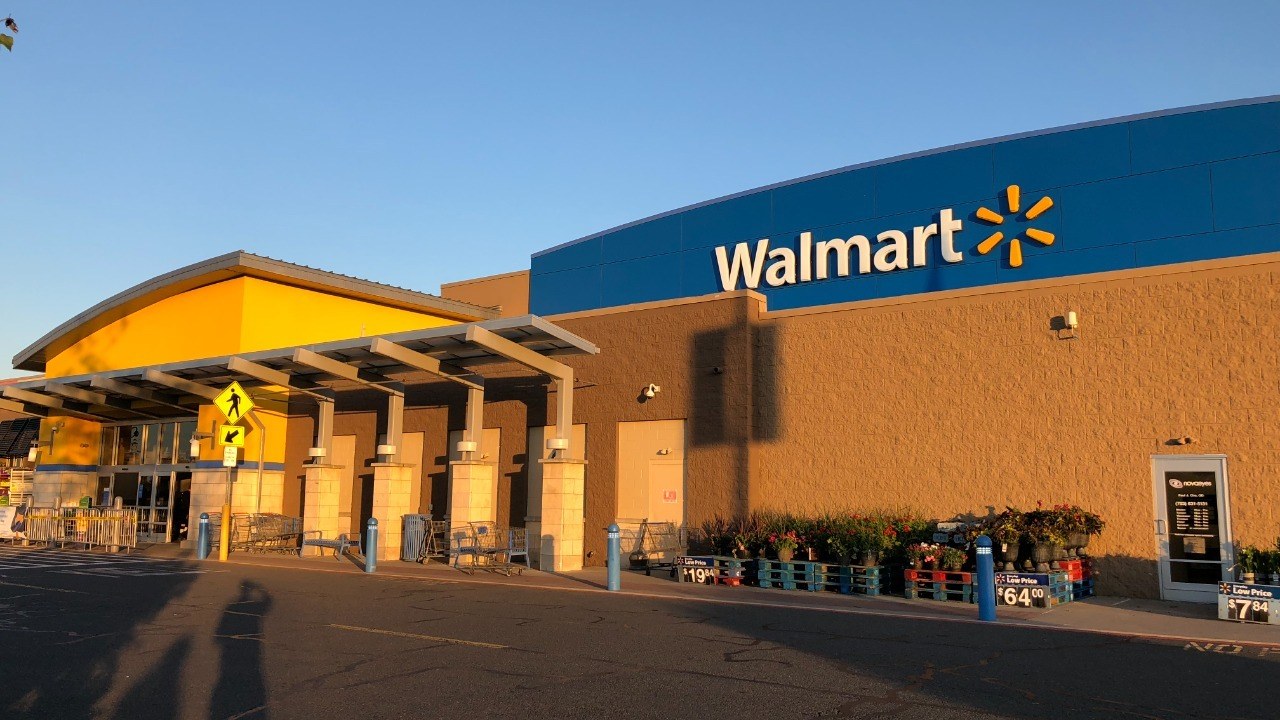
The EEOC announced the Walmart case in a press release dated October 1, 2026. The suit, docketed as Case 3:26-cv-01037, names Wal-Mart Stores East, LP as the defendant. According to the commission, a deaf employee who worked as a stocker at the Fredericksburg store asked in September 2020 for sign language interpreter services at daily staff meetings.
The EEOC alleges those services were not provided and still are not. Its release says a supervisor handed the employee written notes after meetings for a time, but that the notes were not sufficient to convey all the relevant information and did not let him engage or actively participate in the meetings. The EEOC also says the Virginia Department of Aging & Rehabilitation Services wrote to Walmart on the employee’s behalf in August 2023, supplying information about video remote interpreter services as an effective accommodation, and that Walmart still did not provide a reasonable accommodation.
Before suing, the commission says it tried to reach a settlement through its administrative conciliation process. The release does not state a dollar figure or specify the relief the agency is seeking.
The UPS suit over a November 2024 orientation
The second case, against United Parcel Service, Inc., is docketed as Case 1:26-cv-3221 in the same court, and the EEOC’s UPS press release carries a September 30 date. The person at the center of it was not yet an employee. The EEOC describes a deaf job applicant who was scheduled for an orientation in November 2024.
The commission alleges that UPS did not provide an American Sign Language interpreter for that orientation, told the applicant not to attend after he asked for an accommodation, and rescheduled the orientation without arranging interpreter services. It further alleges that UPS ended the applicant’s candidacy after he arrived at the orientation without the interpreter he needed. The release does not specify the relief sought.
That difference explains the wording of this article’s headline. The Walmart complaint concerns a current worker’s access to meetings, while the UPS complaint concerns an applicant’s path to a job, so one employee and one applicant are at issue rather than two workers.
The ADA’s reasonable-accommodation duty at the center of both cases
Both suits rest on the Americans with Disabilities Act. In the UPS release, the EEOC says the law requires employers to provide reasonable accommodation to qualified applicants and employees with disabilities absent undue hardship. The Walmart release uses the same standard, saying the ADA requires accommodation of disabilities absent undue hardship.
Melinda Dugas, the regional attorney in the EEOC’s Charlotte District, is the official quoted in the Walmart release. She said, “Providing access to a sign language interpreter is often a reasonable accommodation that can be provided by an employer without experiencing undue hardship.” The Charlotte District Office has jurisdiction over North Carolina, South Carolina and Virginia, which is why a Virginia store is handled from there.
Two officials are quoted in the UPS release. Debra Lawrence, regional attorney for the Philadelphia District, said, “The law is crystal-clear that employers must provide reasonable accommodations to qualified applicants and employees to enable them to enjoy equal employment opportunities.” Mindy E. Weinstein, director of the EEOC’s Washington Field Office, said, “The ADA provides crucial protections to ensure applicants and employees with disabilities are not excluded from the workplace.”
The statements are the agency’s characterization of the law and of its own cases. Neither company’s response appears in either release, and nothing in the releases says a court has ruled on any claim.
What the EEOC says about filing a charge
A lawsuit like these begins with a worker’s charge. The EEOC’s page on filing a charge of discrimination defines a charge as a signed statement asserting that an employer, union or labor organization engaged in employment discrimination, and says filing one is required before a private lawsuit can be brought, except under the Equal Pay Act. The charge can be started through the EEOC Public Portal after an online inquiry and an interview, by calling 1-800-669-4000, or at a field office.
The cost is nothing. The EEOC’s own youth FAQ answers the question directly: “No. EEOC services are free.” The same FAQ says an attorney is not required to file a job discrimination complaint with the agency, although a worker may hire one at personal expense.
The clock is the harder part. According to the EEOC’s time-limits page, a charge generally has to be filed within 180 calendar days of the day the discrimination took place, and that window is extended to 300 calendar days if a state or local agency enforces a law prohibiting discrimination on the same basis. In the Walmart matter the request for an interpreter dates to September 2020, and the UPS orientation was in November 2024; the releases do not say when either person filed a charge or when the EEOC’s investigation began.
What the two complaints add up to
Taken together, the EEOC’s filings describe an accommodation that is ordinary in kind: an interpreter at a meeting, an interpreter at an orientation. The Walmart release says the commission regards interpreter access as often reasonable and achievable without undue hardship, and the UPS release frames the ADA as a guard against deaf applicants being shut out before they start. Whether a court agrees with either account is undecided, and both defendants remain entitled to contest every allegation.
For the households involved, the stakes in the Walmart case are a stocker’s ability to follow the instructions given in daily meetings, and in the UPS case a job candidacy that the EEOC says ended at the orientation door. The commission’s releases at eeoc.gov/newsroom remain the controlling record for what has been filed and alleged.
When a paycheck problem reaches the household budget
Disputes over workplace accommodations, like the two the EEOC has filed in Virginia, can stretch for years while the bills keep arriving. Households in that position often end up tracking which funds are protected and which disputes are open, a job separate from the legal case itself.
The Bank Account & Debt Protection Kit includes the 2-month bank protection rule and the debt-validation steps, along with a protected-funds and dispute log for keeping the paperwork in one place.
Open a protected-funds and dispute log for the household →
This piece was drafted with AI assistance; the allegations and quotations were checked against the EEOC’s Walmart and UPS press releases and its charge-filing pages.