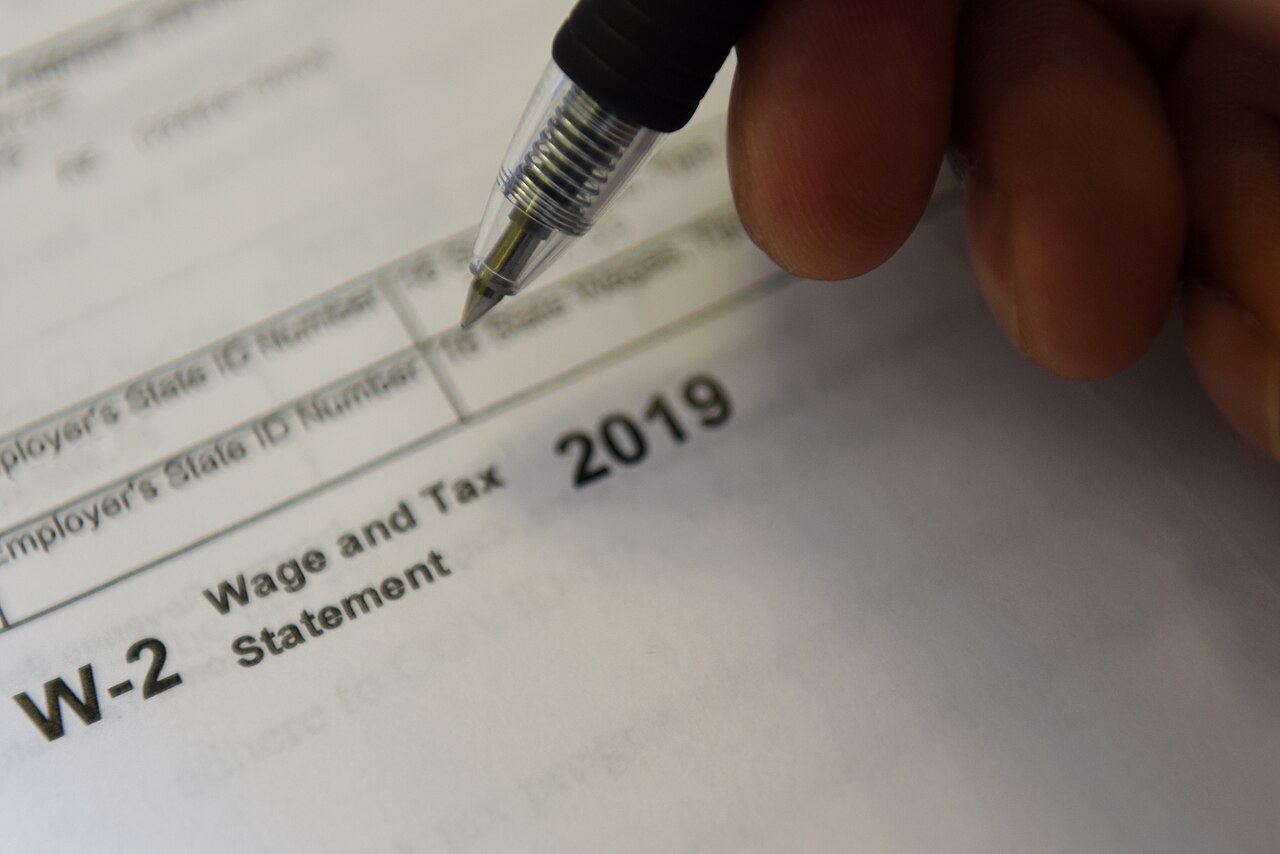
The average federal tax refund this season is $3,275. That is what the IRS’s cumulative filing season statistics show through April 17, the week of the filing deadline, and it is up 11.3 percent from $2,942 at the same point last year.

An extra $333 in the average check is a big move for a single year. Refunds usually drift up a couple of percent with inflation adjustments; they do not jump by double digits without a reason. This year there is a very specific reason, and it is worth understanding, because it also tells you whether your own refund was “normal.”
The season in five numbers

Pulling from the same IRS table, here is the shape of the 2026 filing season through April 17:
$3,275 — the average refund, up 11.3 percent from last year. For refunds delivered by direct deposit, the average was slightly lower at $3,269.
90.4 million — refunds issued so far, up 5.1 percent from the roughly 86 million issued by the same week last year.
$296 billion — total dollars refunded, up 17 percent. More refunds, and bigger ones, compound each other.
140.2 million — returns received, essentially flat (down 0.3 percent) from last year. The refund surge is not about more people filing.
98 percent — the share of returns arriving electronically, about 137.6 million of them. Paper filing keeps shrinking toward a rounding error.
The IRS updates these tables weekly during the season and archives them by year on its filing season statistics page, so you can check how any week compares to the same week in earlier years.
Why refunds jumped 11 percent
The 2025 tax law is doing most of the work. Several new deductions took effect for tax year 2025: deductions for qualified tips and for overtime pay, a deduction for car loan interest on qualifying new vehicles, and an extra $6,000 deduction for people 65 and older, all described in the IRS’s plain-language summary of the law’s individual provisions.
Here is the mechanical part: those breaks applied to all of 2025’s income, but paycheck withholding tables were not fully adjusted mid-year to account for them. Millions of people effectively overpaid their 2025 taxes all year, and the correction arrived as a bigger refund this spring. A tipped worker who qualified for the new tips deduction, or a 65-year-old with the new senior deduction, may have seen a refund hundreds or thousands of dollars larger than usual without changing anything about their finances.
A big refund is not a bonus
It feels like a windfall, but a refund is your own money coming back after an interest-free loan to the government. If your refund jumped this year because of the new deductions, you have a choice to make for the rest of 2026: keep the withholding as is and collect another big check next spring, or adjust your W-4 so more of that money shows up in each paycheck now.
There is no wrong answer, honestly. Financial math says take the money during the year; a savings account pays interest and the IRS does not. Human behavior says plenty of households use the refund as forced savings and would rather get one fat check than $60 extra a paycheck that quietly disappears. If you want to dial it in, the IRS Tax Withholding Estimator will tell you exactly what to put on a new W-4 to land close to zero, or close to whatever refund size you actually want.
Still waiting on your refund?
Most e-filed refunds go out within 21 days, and the Where’s My Refund tool shows your status through three stages: return received, refund approved, refund sent. If yours is taking longer, the usual suspects are a paper return, a math or identity-verification flag, a claim that requires extra review, or an offset, where part of the refund was applied to a past-due debt like child support or old taxes. The tool updates once a day, so checking hourly accomplishes nothing except raising your blood pressure.
If you filed for an extension in April, remember that the extension moved your paperwork deadline to October 15, not your payment deadline. Any refund is still yours to claim whenever you file; the sooner it goes in, the sooner the check comes out.
One quiet number in the IRS table deserves a mention: nearly all refund dollars now move by direct deposit, and the agency has been steadily pushing paper checks toward the exits. If you are still getting refunds by mail, adding bank account and routing numbers to next year’s return is the single easiest way to shave days, sometimes weeks, off the wait.
What to do with $3,275
Since we are sitting at the kitchen table anyway: the average refund is almost exactly the size of a starter emergency fund. If you do not have one, parking the refund in a high-yield savings account solves that in one move. After that, the pecking order most planners suggest is high-interest debt first, then retirement contributions, then everything else. A refund is the one lump sum most households reliably see every year; treating it as a plan rather than a surprise is one of the easier wins in personal finance.
This article was produced with AI assistance and reviewed by a human editor. Figures are linked to their primary sources; where a claim could not be verified from the public record, we say so.