A law signed fourteen months ago pushed the food-stamp work-requirement age ceiling five years further out, and states have already been enforcing it since last November. The public explainer page the U.S. Department of Agriculture keeps for the same rule, though, has not been rewritten to match. Applicants, caseworkers and advocacy groups who search for how the SNAP work rule applies today land on a page last touched in mid-July 2026 that still walks through eligibility as if the change never happened.
Section 10102 Pushed the ABAWD Age Ceiling to 64
The One Big Beautiful Bill Act, the sweeping budget law President Trump signed July 4, 2025, contains a provision, Section 10102 of the law, that rewrote who counts as an “able-bodied adult without dependents” — ABAWD, in program shorthand — for the Supplemental Nutrition Assistance Program. Under the older rule, adults age 18 through 54 lost SNAP after three months unless they worked, trained or volunteered at least 80 hours a month. An implementation memorandum USDA’s Food and Nutrition Service sent to every state SNAP agency on October 3, 2025 confirms what the statute did: the upper age boundary moved from 54 to 64, meaning the same three-month time limit now follows a person for an additional decade of working life. The memo also flags a second change tucked into the same section — the temporary carve-outs Congress added in 2023 for veterans, homeless individuals and young people aging out of foster care were repealed outright, not merely narrowed. States had to apply both changes to every application and recertification starting on the July 4, 2025 enactment date, and USDA’s own quality-control leniency for mistakes on the new rules expired November 1, 2025.
Free SNAP checklist: A missed recertification step can pause food benefits, and EBT problems have their own fixes. Get the free recertification and EBT checklist.
USDA’s Public Work-Requirements Page Still Describes the Pre-2025 Rule
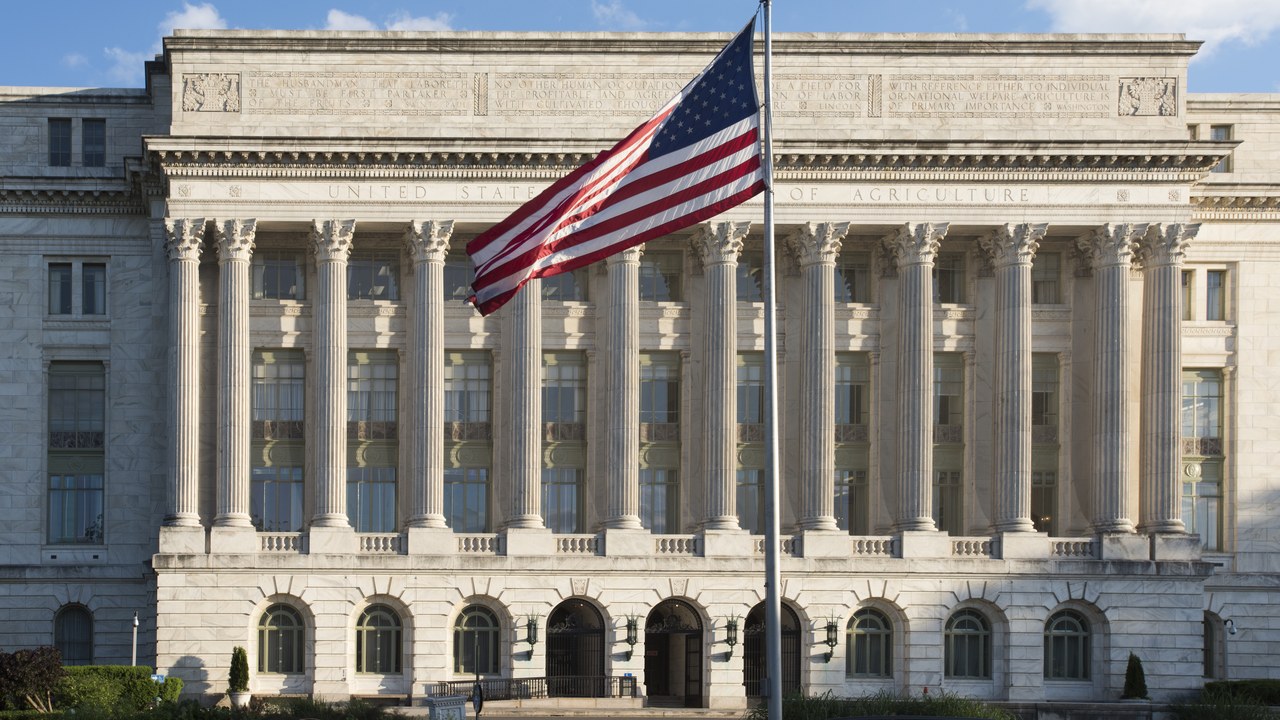
None of that shows up yet on the page most applicants and advocates actually consult. USDA’s Food and Nutrition Administration publishes a page titled SNAP Work Requirements as the agency’s primary public explainer of the rule, and it currently opens with a notice that “we are in the process of providing guidance” on how the 2025 law changes ABAWD rules, promising an update “once the guidance is released.” That notice has sat there even though the guidance it describes as forthcoming was distributed to every state SNAP office nearly a year earlier. Scroll further and the page’s substantive rule section still tells readers plainly that the time limit applies to people who are “age 18–54” — the identical range the statute replaced. Its footer records the page as last updated July 16, 2026, which is nine months after the implementation memo went out and more than eight months after states lost their grace period for applying the new range.
Three Exemptions the Page Still Lists Are No Longer Law
The stale age range is not the only outdated detail. The current page still lists veterans, people experiencing homelessness and young adults who aged out of foster care as automatically excused from the ABAWD work requirement — the three carve-outs the Fiscal Responsibility Act of 2023 added on a temporary basis. The same October 2025 memorandum that raised the age ceiling repealed all three exceptions, returning those groups to the same exposure they had before 2023. Someone who reads the current explainer, concludes a veteran or foster-care exemption still protects them, and skips the work hours or volunteer hours the rule now requires could lose benefits at a recertification interview where a caseworker applies the rule the statute created rather than the one the web page still describes.
States Enforce Age 64 While USDA’s Own Page Waits on ‘Pending’ Guidance
The delay is not for lack of material inside USDA’s own systems. The department’s guidance library carries a separate page dedicated to the same implementation memorandum, hosted apart from the consumer-facing explainer and last updated September 15, 2026 — nine weeks after the work-requirements page and with no link connecting the two. State SNAP agencies do not have the luxury of waiting: they were required to screen every application and recertification against the age-64 ceiling and the narrowed exemption list starting November 1, 2025, and USDA said its quality-control reviewers would not excuse errors tied to the new rules past that date. The result is a stretch of nearly a year in which the rule caseworkers apply in interview rooms and the rule USDA describes to the public on its own website have not lined up, with no published date for when the explainer page will catch up.
A Work-Rule Change Often Triggers a Wider Case Review
A shift in ABAWD status is exactly the kind of change that prompts a state agency to open a household’s full case file, not just the SNAP work-requirement screen. Many states process SNAP and Medicaid renewals through the same eligibility system, so a recertification triggered by the new age rule can also flag a Medicaid renewal that was not otherwise due. Missing paperwork on either side during that window is a common reason coverage lapses.
The SNAP & Medicaid Renewal Organizer includes a 13-page organizer, 51 state packs and a renewal document checklist built around exactly that kind of dual-program review.
Read the renewal document checklist in The SNAP & Medicaid Renewal Organizer.
AI-assisted research and drafting; reviewed by an editor.