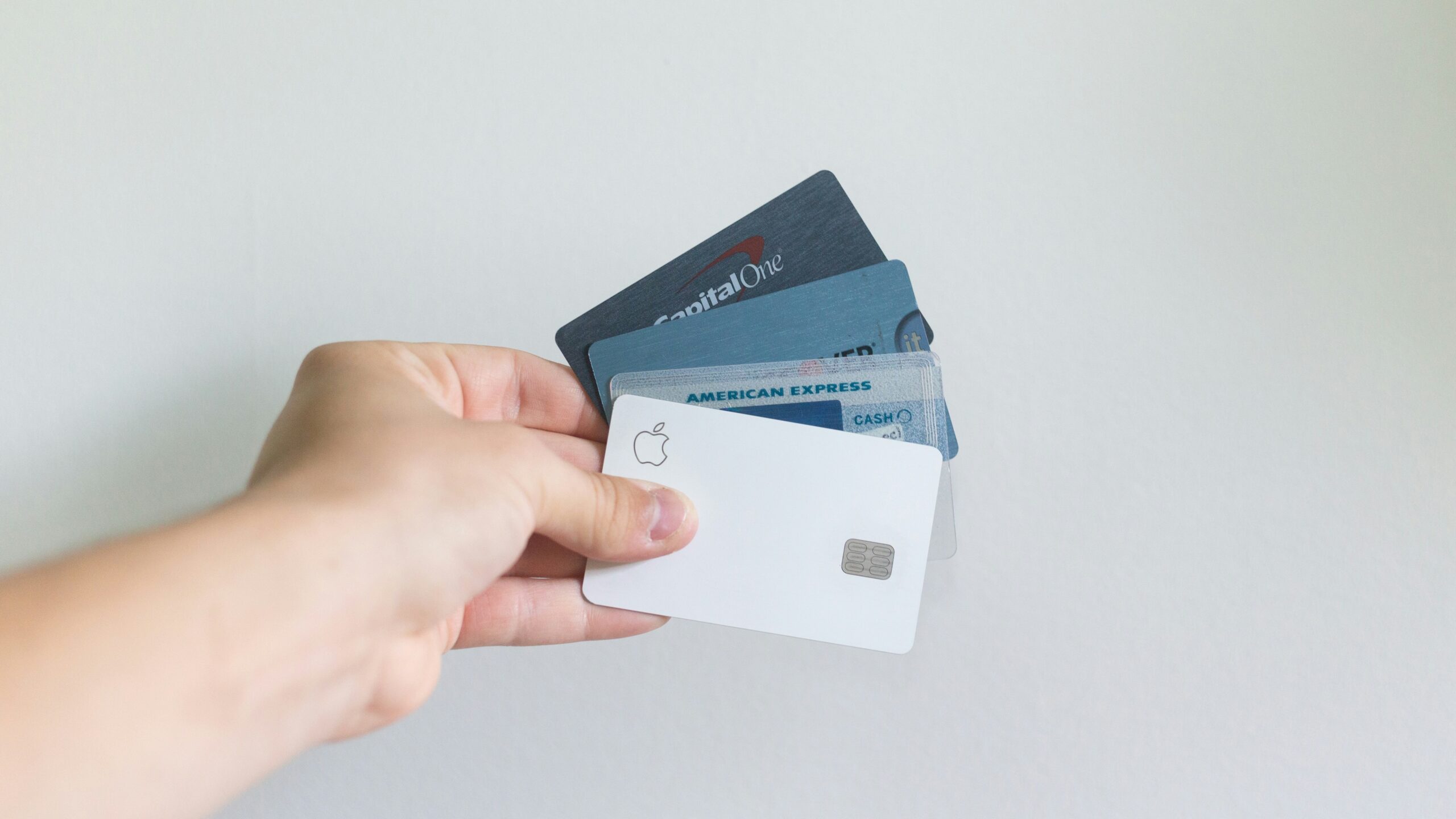
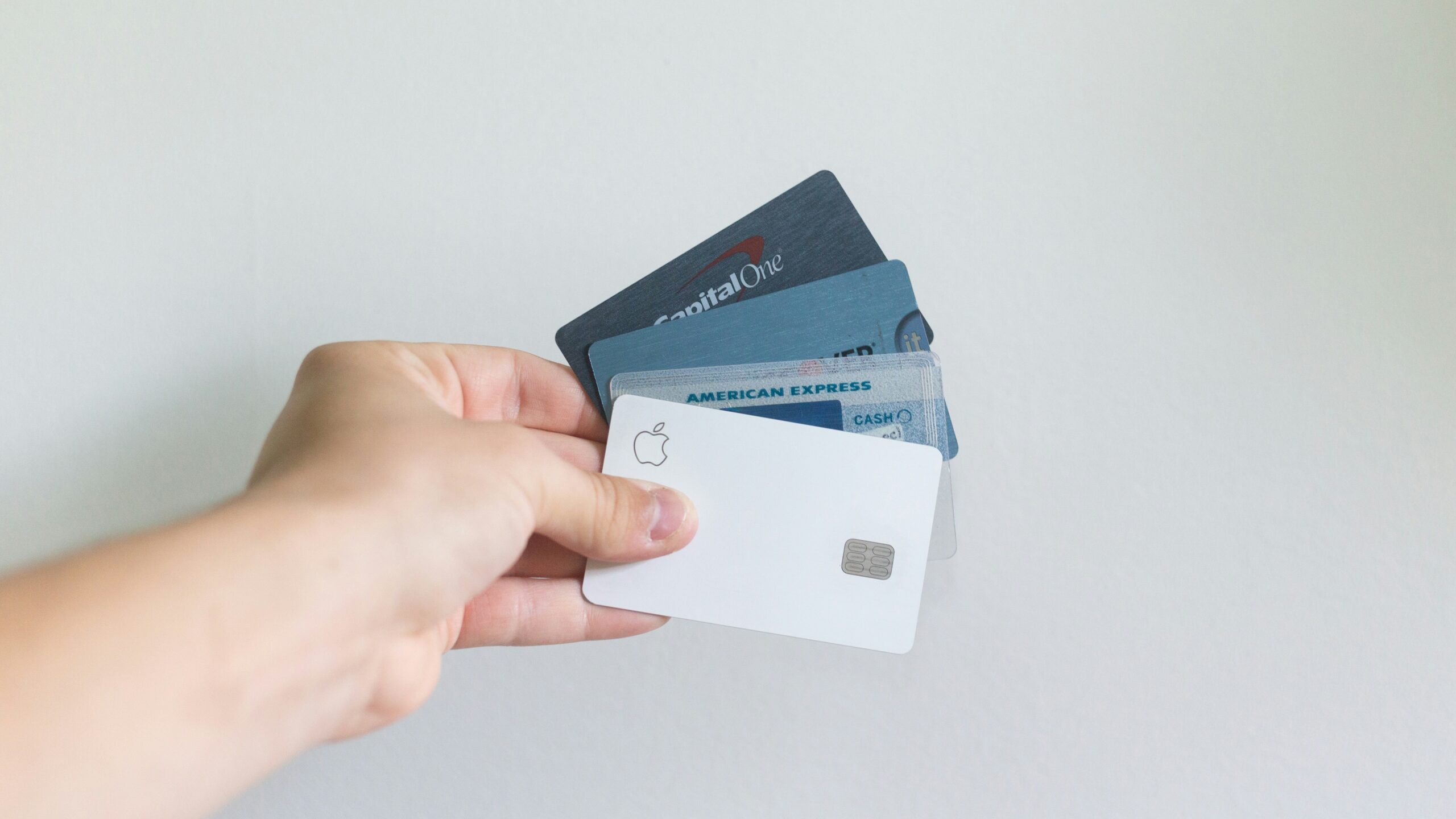
If your credit is thin, damaged or simply nonexistent, you’re stuck in a familiar loop: nobody will give you credit until you have a history of using credit. A secured credit card is the standard way out of that loop, and the price of admission is a refundable deposit — often a few hundred dollars — that you’ll get back if you handle the card well.
Used correctly, a secured card is one of the most reliable credit-building tools there is. Used carelessly, it’s an expensive way to damage the very score you’re trying to fix. The difference comes down to three checks before you apply and a handful of habits after. Here’s the whole playbook.
How the deposit actually works
You give the card issuer a cash deposit — say $300 — and in return you get a real credit card, usually with a credit limit equal to what you put down. As the Consumer Financial Protection Bureau describes it, you spend against the limit, pay the bill, and your available credit resets, exactly like an ordinary card. The deposit isn’t paying for your purchases; it sits untouched as collateral, which is why issuers will approve people they’d reject for a regular card. Miss enough payments and the issuer can take the deposit — but by then the missed payments themselves have done the real damage, because they’re being reported to the credit bureaus like any other card’s.
That reporting is the entire point. A secured card doesn’t come with an asterisk on your credit report; it builds history the same way a platinum travel card does.
Three things to check before you apply
First — and this one is disqualifying if it fails — confirm the issuer reports to all three nationwide credit bureaus. A card that doesn’t report builds nothing, no matter how perfectly you use it; the whole rebuild works through the reporting described in the CFPB’s credit-rebuilding guide.
Second, read the fee table. Good secured cards charge little or nothing beyond the deposit. Weaker ones stack application fees, annual fees and monthly “program” fees that quietly eat the small credit line you just funded. Fees and interest rates on secured cards run high as a category, so comparison shopping matters more here than with mainstream cards — and your local credit union is often the best first stop.
Third, ask about the path out: does the issuer review accounts for “graduation” to an unsecured card, and on what schedule? Handle a secured card well and many issuers will consider graduating you — with your deposit refunded — after a stretch of on-time payments, sometimes as little as six months; the schedule varies by lender, so ask before you apply. An issuer with no graduation process means your deposit stays parked indefinitely, until you close the account in good standing to reclaim it.
Using it so your score actually moves
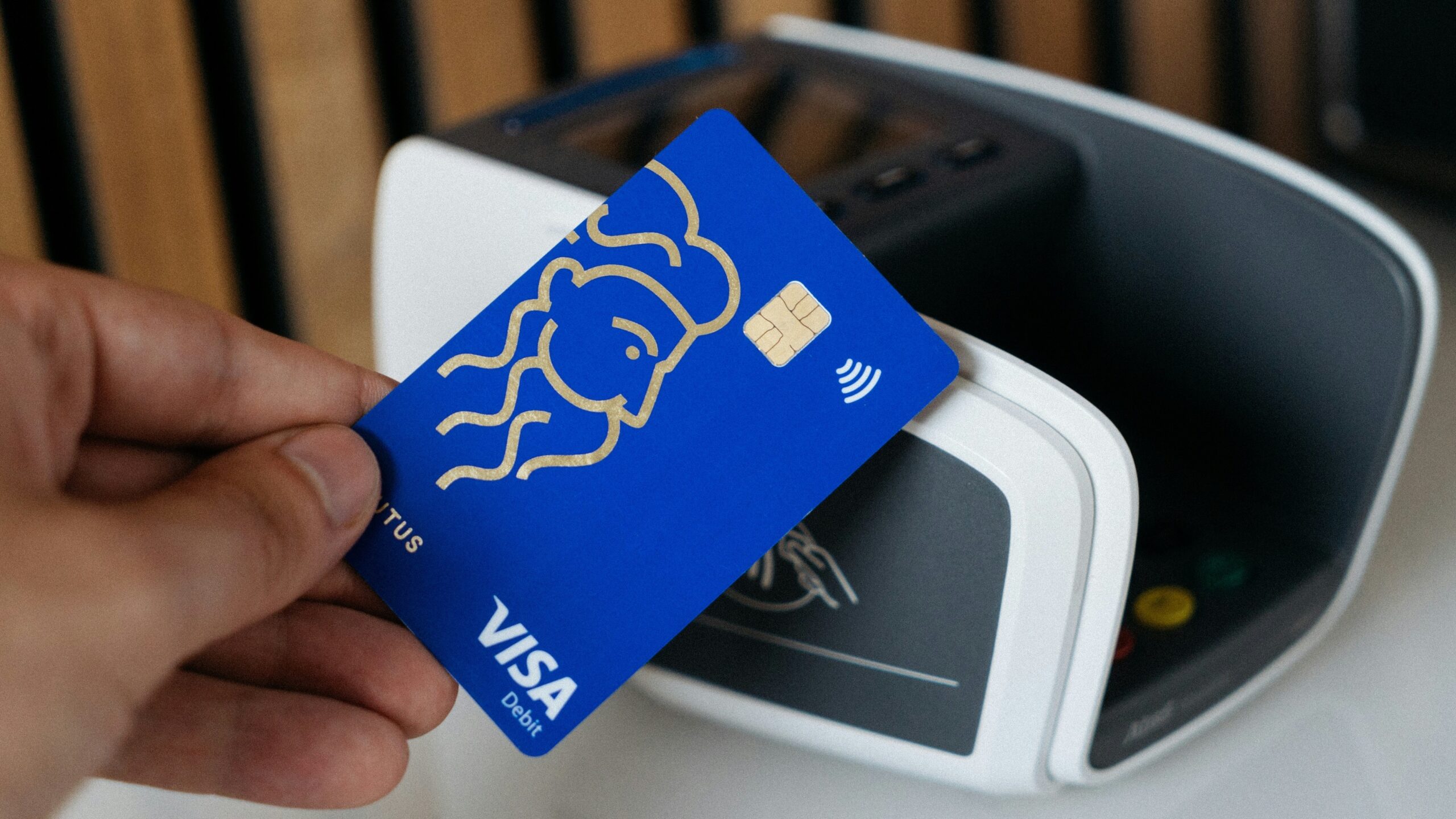
The habits are simple and boring, which is the good news. Payment history is the single biggest ingredient in your credit score, as the CFPB notes in its guidance on getting and keeping a good score — so the one non-negotiable rule is that the bill gets paid on time, every month, even if it’s the minimum. Set up autopay for at least the minimum the day the card arrives.
Second habit: keep the balance low relative to the limit. Scoring models penalize high utilization, and on a $300 limit it takes only a tank of gas and a grocery run to look “maxed out” — even if you pay in full. The clean solution is to put one small recurring charge on the card (a streaming subscription, a phone bill), set autopay to clear the full balance, and put the card in a drawer. Full payment also means the card’s high interest rate never touches you, because interest only accrues on balances you carry.
What not to do: treat the card as extra spending money, apply for several cards at once, or close the account in a fit of tidiness the moment you graduate — age of accounts helps your score, so an old card with a zero balance is quietly working for you.
Tracking progress without paying for it
You can watch the rebuild happen for free. Federal law entitles you to free credit reports from each of the three bureaus through AnnualCreditReport.com — now available weekly — which lets you confirm the new account appears, the payments show as on time, and no errors are dragging you down. If the secured card doesn’t show up on your reports within a couple of billing cycles, call the issuer and ask why.
If a secured card isn’t the right fit
The deposit is the barrier for some people, and there are alternatives. Credit-builder loans — common at credit unions — flip the structure: you make payments first and receive the money at the end, building payment history along the way. Becoming an authorized user on a responsible relative’s card can add their good history to your file. And if your starting point is errors on your credit report rather than a thin file, disputing those errors is free and often moves a score more than any new account can.
But for most people starting from zero or starting over, the secured card remains the workhorse: a few hundred dollars down, six to twelve months of dull, perfect behavior, and a credit file that opens doors again. The deposit comes back. The history stays.
This article was produced with AI assistance and reviewed by a human editor. Figures are linked to their primary sources; where a claim could not be verified from the public record, we say so.