Eighteen states now have a federally approved date on the calendar for narrowing what a Supplemental Nutrition Assistance Program card can buy, according to the U.S. Department of Agriculture’s own tracking page. Eight of those waivers are already in effect, running from Indiana and Utah in January through Arkansas on July 1, and ten more are scheduled to take hold between now and February 2028 — including four dates USDA itself pushed back this fall after a federal court struck down five other states’ approvals entirely. A separate set of five approvals — for Colorado, Iowa, Nebraska, Tennessee and West Virginia — was vacated by that same court ruling in June, so those states are not implementing anything despite once appearing on the same list. For a household that relies on SNAP, the shifting dates on USDA’s own page can matter as much as the restriction itself.
How USDA’s Waiver Table Tracks Every State’s Status
USDA’s SNAP Food Restriction Waivers page is the department’s running status board for these changes, last updated August 25, 2026. For every approved state, it lists a target implementation date, a plain-language summary of what gets restricted, and a link to that state’s own retailer guidance. Each approval runs under Section 17(b) of the Food and Nutrition Act of 2008, the authority USDA uses to let a state agency test an operational change on a temporary basis rather than rewrite the program permanently. In practice that has meant two-year approvals, which is why the earliest waivers on the list are already on a clock that runs out before the decade does.
Free weekday retirement brief: Social Security, Medicare, and the IRS change the rules every year — and no notice arrives in the mail. The Retirement Money Brief by RetireShield explains one change every weekday: what moved, who it affects, and the step to take. Get the free brief.
Eight States Where The New Rules Already Apply
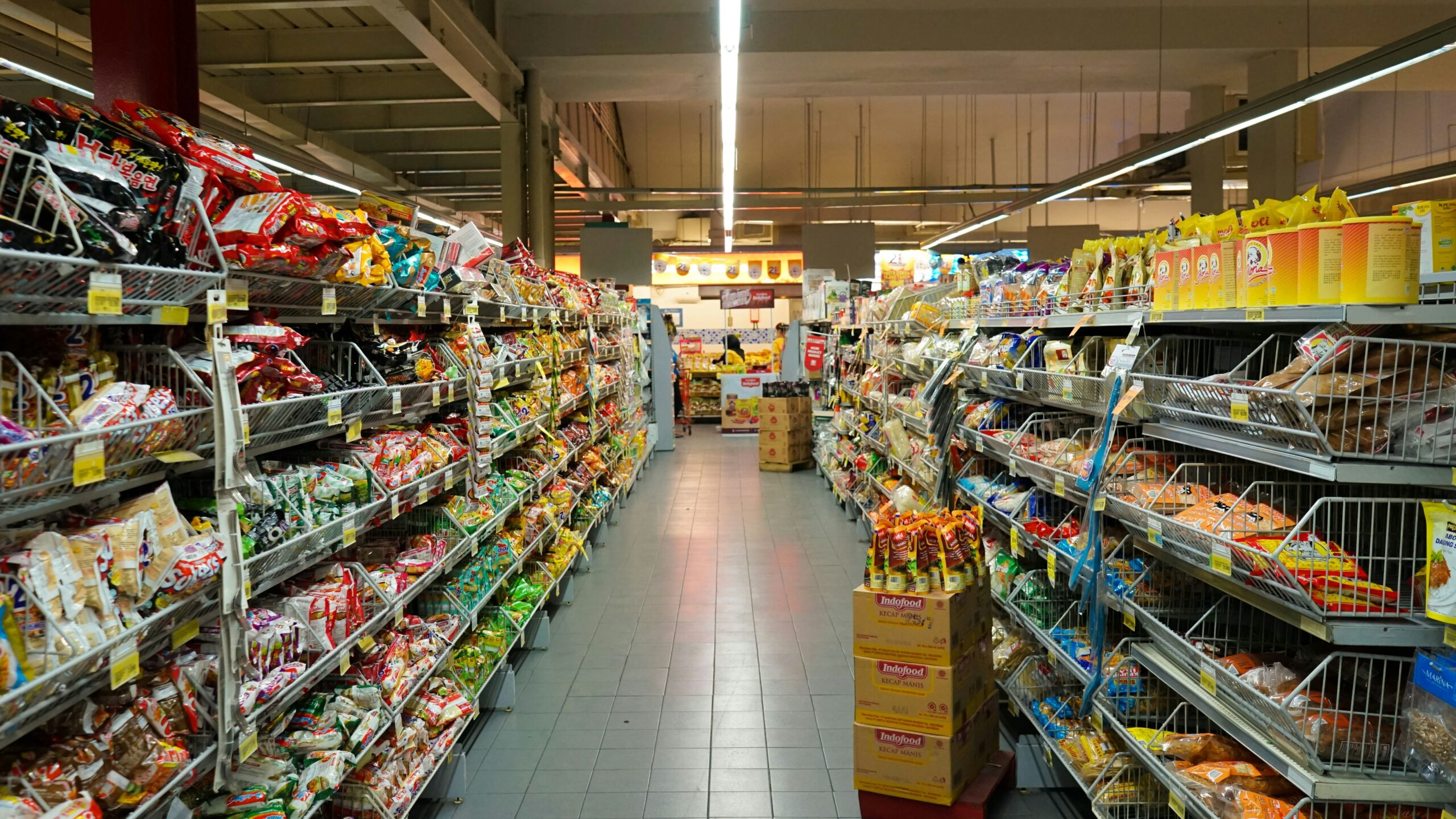
Indiana and Utah were first, both restricting soft drinks starting January 1, followed by Idaho and Oklahoma on February 15, Louisiana on February 18, Texas on April 1, Florida on April 20, and Arkansas on July 1. What counts as restricted varies by state: most of these eight bar soda and candy, several add energy drinks, and Florida’s list additionally excludes prepared desserts. A SNAP card issued in any of these eight states can no longer buy those items today, regardless of what a store’s shelf tags say.
Ten More States Still To Come — Four Of Them Delayed Twice
South Carolina and North Dakota were originally due to start on August 31 and September 1 — the dates that put them in the “already in effect” column in earlier reporting on this waiver round. Both have since moved to November 1: South Carolina’s Department of Social Services says on its own program page, current as of September 11, that USDA “instructed” the delay, and North Dakota’s Health and Human Services agency announced on August 27 that it postponed its date “in collaboration with and at the direction of” USDA. Montana’s waiver — covering high-sugar beverages, energy drinks, candy, and prepared desserts — was also pushed back, from September 30 to November 1; the state’s own waiver page now opens with a banner reading “the implementation date has been delayed to Nov. 1, 2026.” Virginia’s restriction on sweetened beverages, already delayed once from an original April 1 start to October 1, has reportedly moved a second time to November 1 as well, and Ohio’s waiver — covering sugar-sweetened beverages — has no new date at all; the state’s Department of Job and Family Services says implementation is paused indefinitely pending further federal guidance. That leaves Wyoming, Kansas and Missouri starting between February 1 and February 15, 2027, Hawaii on April 1, 2027, and Nevada — the longest runway on the list — not until February 1, 2028. Missouri’s waiver, like Florida’s and Montana’s, reaches prepared desserts in addition to candy and sweetened drinks; most of the others are narrower, focused on soda and candy alone.
Why USDA Pulled Four Dates Back At Once
The retreat traces directly to the court fight over the five vacated states. On June 22, U.S. District Judge Amy Berman Jackson ruled that USDA lacked the statutory authority to redefine which foods a SNAP card can buy using its general demonstration-project authority, and that the agency separately skipped a public notice-and-comment step the law required before approving the restrictions. USDA filed a notice of appeal with the U.S. Court of Appeals for the D.C. Circuit on August 20 — one day before its 60-day appeal window closed — but that appeal does not restore the five blocked programs. Rather than risk the same defect in the approvals still standing, USDA told South Carolina, North Dakota, Montana, Virginia and Ohio it would publish a Federal Register notice and take public comment before their restrictions take hold: the exact process the court found missing the first time.
The Five Approvals A Federal Court Put On Hold
Colorado, Iowa, Nebraska, Tennessee and West Virginia all had waivers approved by USDA at one point, but the department’s state-by-state waiver table now carries an identical notice next to each: on June 22, 2026, the U.S. District Court for the District of Columbia, ruling in Aragon et al. v. Rollins et al., ordered that the approvals be vacated and that implementation may not proceed. Judge Jackson’s ruling turned on who gets to decide what counts as SNAP-eligible food: she found that improving diet and health is a legitimate goal, but that only Congress — not USDA’s general pilot-project authority — can redefine the statutory list of eligible foods. USDA has not replaced those notices with new dates, and the five states are excluded from the count of 18 dated approvals. A recipient in any of those five states is not subject to any food restriction on their SNAP card despite the earlier round of news coverage when the waivers were first approved.
What Actually Gets Kept Off The Card
Across the 18 states with an approved waiver, soda and candy are the two items nearly every state restricts. Energy drinks are excluded in roughly half the states, and a smaller group — Florida, Missouri and Montana — also cuts off prepared desserts sold at the register. The retailer compliance memo USDA issued to accompany these waivers notes that state agencies define their own restricted-item lists, so a product blocked in Texas may still be eligible in a neighboring state that hasn’t sought a waiver at all — one more reason the exact list, and the exact date, is worth checking against the state page linked from USDA’s table before assuming a purchase will go through.
Inside the organizer
51 state packs, a renewal document checklist, a renewal and reporting calendar, and the 90-day window after coverage is dropped.
The SNAP & Medicaid Renewal Organizer includes a 13-page organizer, 51 state packs and a renewal document checklist.
Open The SNAP & Medicaid Renewal Organizer.
This article was produced with AI assistance and reviewed by a human editor. Figures are linked to their primary sources; where a claim could not be verified from the public record, we say so.