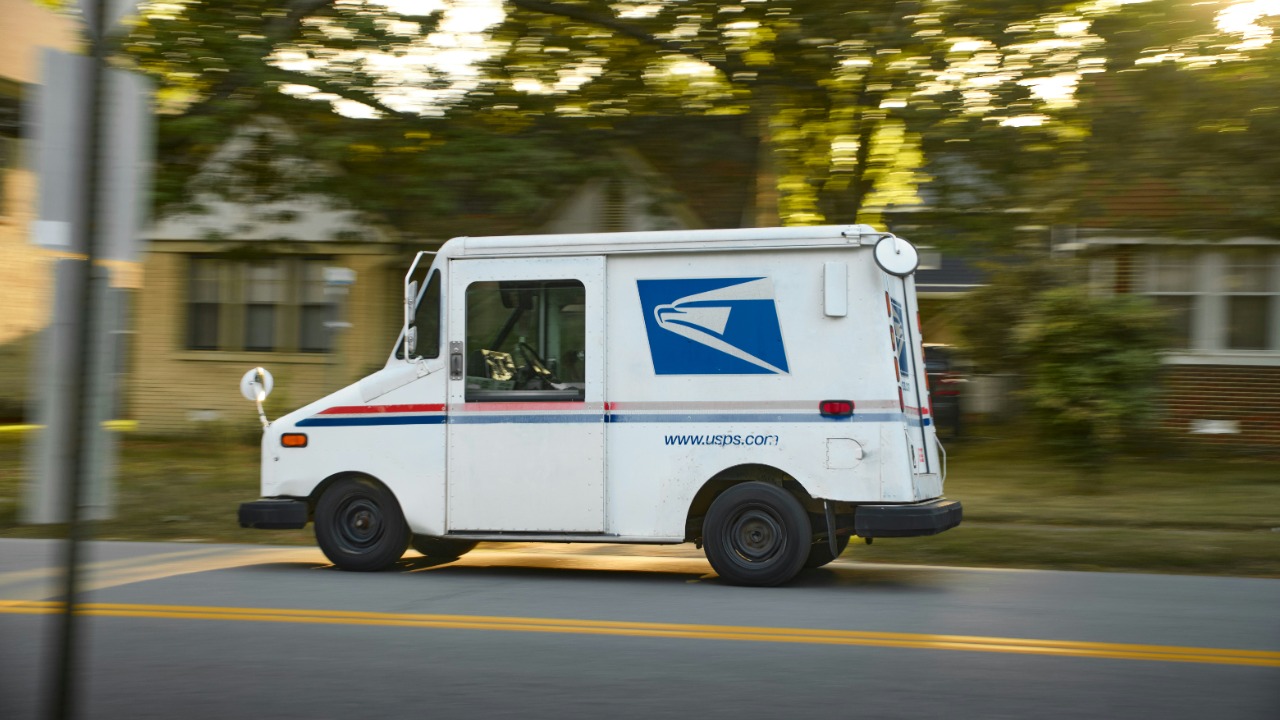
Package shipping is about to get more expensive for anyone mailing a gift, a return, or a small-business order this fall. The U.S. Postal Service is raising prices on its most-used package services by an average of 6 percent starting October 4, and the country’s other major carriers are layering their own seasonal fees on top of it, with one starting even earlier. For a household budgeting for the holidays, or a retiree who ships gifts to grandchildren instead of driving them across the country, the cost of putting a box in the mail is quietly climbing before the season even starts.
USPS’s 6 Percent Peak-Season Bump Starts October 4
The Postal Service’s Board of Governors approved the increase as a temporary, seasonal adjustment rather than a permanent rate change, and the agency filed it with the Postal Regulatory Commission in late August. It applies only to the Postal Service’s competitive package products — USPS Ground Advantage, Priority Mail, Priority Mail Express and Parcel Select — and leaves First-Class Mail, postcards and standard postage stamps untouched. The increase takes effect at midnight Central time on October 4 and stays in place through January 17, 2027, covering the entire holiday shipping window.
The exact size of the increase depends on weight and distance, according to the rate tables in the agency’s own newsroom release. A retail Ground Advantage or Priority Mail package weighing up to three pounds and traveling within Zones 1 through 4 — generally a shipment staying within a few states — rises 50 cents. A package in the 11-to-25-pound range headed to Zones 5 through 9, the longest-distance tier, rises as much as $9.10 for Priority Mail. Commercial shippers, who already pay lower negotiated rates, see smaller dollar increases on the same weight brackets, but the percentage jump is the same across the board.
USPS frames the move as a matter of matching private carriers rather than raising money outright, saying the change will “bring prices for the Postal Service’s retail and commercial customers in line with competitive practices.” That framing points directly at UPS and FedEx, which run their own seasonal fee schedules on a different calendar.
Free retirement updates: Want plain-English help keeping more of your money in retirement? The free Retirement Shield newsletter covers the benefits, deadlines, and money mistakes that cost retirees, a couple times a week. Subscribe free.
UPS’s Surcharge Clock Starts a Week Before USPS Moves
UPS does not wait for USPS’s October 4 date. Its additional-handling, large-package and over-maximum-limit surcharges begin September 27 — exactly one week earlier — according to UPS’s published demand-surcharge schedule, compiled alongside the other carriers’ 2026 rates. Those charges run as high as $530 for a single package that exceeds UPS’s size or weight limits during the September 27-to-November 21 stretch, climbing to $590 during the Thanksgiving-to-Christmas peak.
A second UPS surcharge, the residential demand charge applied to ordinary home-delivery packages, starts later, on October 25, and runs across three pricing windows into mid-January. A standard UPS Ground Residential package carries an extra 75 cents during the highest-demand weeks between November 22 and December 26, up from 50 cents in the shoulder weeks on either side. Shippers who send far more than their own historical weekly volume pay considerably more under a tiered structure that can push a single ground package’s surcharge above $8.
FedEx Runs a Similar Calendar, One Day Behind UPS
FedEx follows a nearly identical pattern a day later. Its additional-handling and oversize surcharges begin September 28, and its residential and express demand surcharges begin October 26, according to the same carrier rate schedules, with the heaviest charges again falling between the week of Thanksgiving and Christmas. A FedEx Ground residential package carries an extra 80 cents during that peak stretch, and an oversize parcel can carry more than $117 in additional charges. FedEx’s surcharge period runs through January 17, 2027 — the same closing date as USPS’s increase.
What the New Rate Table Means for an Ordinary Package
Stack the increases together and the effect on an actual shipment becomes clearer. A person mailing a five-pound gift box across the country — a Zone 7 or 8 shipment — pays USPS’s higher Priority Mail rate starting October 4, and if that same box moves through UPS Ground Residential instead during the last week of November, it also carries the season’s highest residential demand surcharge on top of the carrier’s regular rate. Neither charge is optional, and neither always shows up as its own line item on a receipt — the increase is often built directly into the shipping price a customer sees at checkout.
That same compilation of 2026 rate schedules found that commercial USPS Ground Advantage surcharges rose an average of 32 percent over 2025’s levels, while UPS’s and FedEx’s residential ground surcharges each rose in the low-20-percent range. Those percentages describe the surcharge itself, not the base shipping rate, which is one reason a shopper can see a bigger jump in a final shipping total than a single headline percentage suggests.
A Bigger Jump Than the Carriers Made a Year Ago
Both the size and the timing of this year’s increases outpace last year’s. According to EasyPost’s 2025 peak-season rate roundup, UPS’s handling and oversize surcharges started September 28, 2025, and USPS’s rate increase began October 5, 2025; this year both moved one calendar day earlier, tightening the window shoppers have to mail packages at the old prices. The dollar increases moved by more than a single day, though. UPS’s highest-tier additional-handling surcharge climbed from $10.80 in 2025 to $11.90 in 2026, and USPS’s retail Priority Mail Express increase for a heavy, long-distance package rose from an $8.95 add-on last year to $12.55 this year for the same weight and zone.
The full rate filing behind USPS’s share of the increase is listed with the Postal Regulatory Commission under Docket No. CP2026-10 — the same filing that sets both the October 4 start date and the January 17, 2027 end date carriers and shippers are now building their fall shipping plans around.
Relief that waits to be asked for
Property-tax freezes, exemptions and utility help are rarely applied automatically, and each has its own filing window.
The Senior Property Tax & Home-Cost Relief Kit includes an 11-page kit, the 5 kinds of property-tax relief and the circuit-breaker credit that includes renters.
See the five kinds of relief in The Senior Property Tax & Home-Cost Relief Kit.
This article was produced with AI assistance and reviewed by a human editor. Figures are linked to their primary sources; where a claim could not be verified from the public record, we say so.