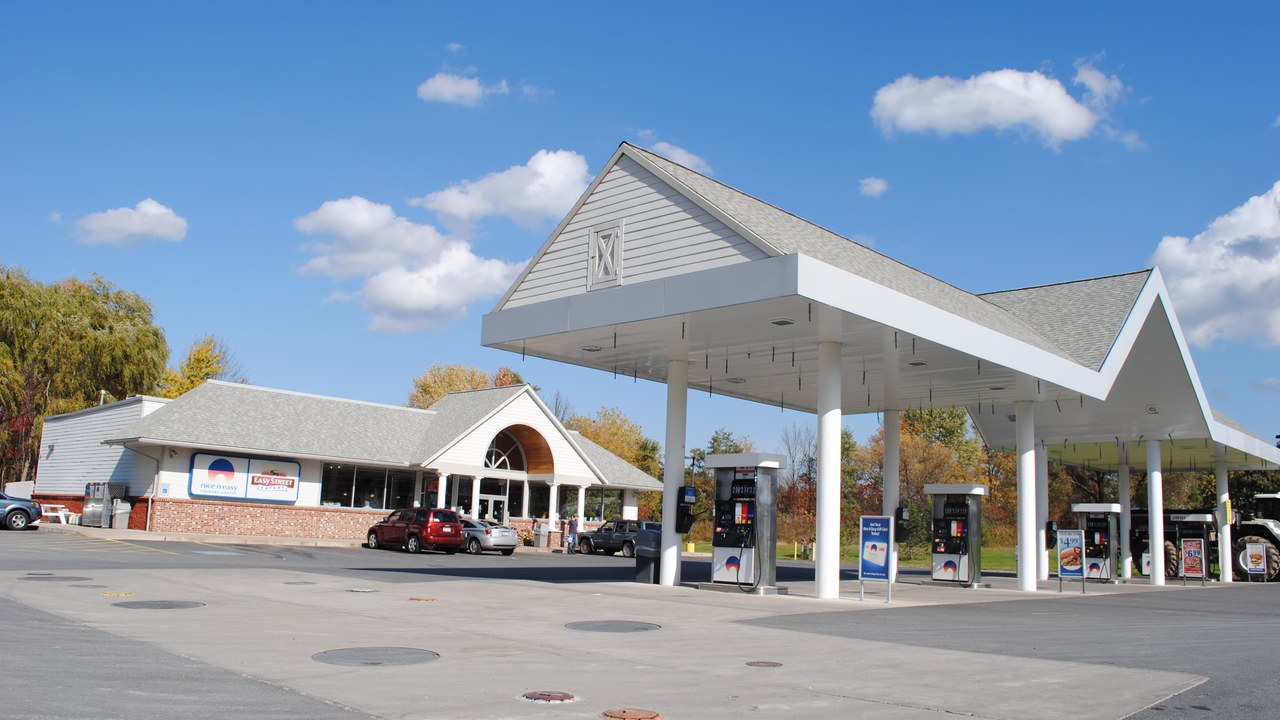
Millions of households that receive food assistance do their everyday shopping at a corner store or small neighborhood market rather than a large supermarket chain. A federal rule taking effect on November 4, 2026 sets new minimum stocking requirements for any retailer that wants to keep accepting Supplemental Nutrition Assistance Program benefits. Stores that fall short do not get a warning letter and an open-ended grace period; they can be removed from the program outright, cutting off a payment method that a lower-income family may depend on at that specific location.
The Four Categories Behind the 84-Item Minimum
On May 8, 2026, the U.S. Department of Agriculture’s Food and Nutrition Administration published a final rule rewriting how SNAP-authorized stores are expected to stock their shelves. The agency’s own explainer lays out the math behind the headline number: every SNAP retailer other than a specialty food store, with butchers, fish markets and produce stands named as exceptions, must carry at least seven distinct varieties in each of four staple categories: dairy, grains, protein, and vegetables or fruits. Seven varieties across four categories comes to 28 varieties minimum, and because each variety needs at least three stocking units on the shelf, the practical floor lands at 84 total units. At least one perishable variety, something like fresh produce or refrigerated milk, has to show up in at least three of the four categories, so a store cannot check the box with shelf-stable goods alone. A can of black beans and a bag of dried lentils, for instance, count as two separate protein varieties, but neither one satisfies the perishable piece on its own, which is why the agency’s own worked example pairs items like whole milk, buttermilk, yogurt and shredded cheddar to clear the dairy category, and chicken breast, ground beef, frozen salmon and canned tuna to clear the protein category.
Free retirement updates: Social Security and Medicare change every year, and nobody sends you a memo. Our free Retirement Shield newsletter breaks down what changed and what to do. Get it free in your inbox.
Losing SNAP Access Costs Six Months, Not a Warning
A store that cannot hit the new thresholds by the deadline does not simply lose a few points on an inspection score. Under the same rule, a retailer that fails to comply will be withdrawn from participating in SNAP and immediately loses the ability to take EBT cards at the register. Reapplying is not quick: the waiting period runs six months from the date of withdrawal, or six months from the date a new application is denied for the same reason. For a household that has built a routine around paying with SNAP benefits at one particular corner store, that six-month gap can mean a longer walk, a bus ride or a car trip to find another authorized retailer, a real cost in time and transportation that never shows up on a grocery receipt. SNAP retailers as a group are not a small slice of the economy: the agency notes that authorized stores accept more than $90 billion a year, or roughly $236 million a day, in federal benefits, which is part of the backdrop for why USDA is tightening what a store has to carry to keep taking that money.
Snack Bars, Jerky and Butter Lose Their Staple Status
The rule does not just raise the minimum count; it also redraws which foods count toward it. Snack bars, jerky, shake powders and mixes, cheese dip, fruit spreads and butter have all been reclassified from staple foods to accessory foods, meaning a store can no longer point to a shelf of protein bars or a tub of butter to satisfy its variety requirement. None of those items disappear from shelves; retailers are still free to sell them, they simply no longer help a store clear the 84-unit bar. Retailers got a formal heads-up on the change in a retailer notice issued September 4, 2026, roughly two months ahead of the compliance date, and USDA has also posted sample pathways showing combinations of everyday items, such as plain milk, canned tuna, whole-grain bread and fresh apples, that a small store could stock to clear the bar without adding a full produce department. The agency has said it will also email notices directly to retailers it believes are likely to be affected, on top of the guidance already posted online. For a corner store owner working with a few hundred square feet of floor space, the practical effect is a shift in ordering habits: less shelf space for shelf-stable snack items, more for the plain proteins, dairy and produce that now count toward the 84-unit floor.
What Actually Stays the Same for Shoppers
None of this changes what a person can buy with a SNAP card once they are standing at the register. The agency addresses that directly in its own guidance, posing the question of whether the rule changes what customers can purchase with SNAP benefits and answering it in a single word: no. The stocking standards regulate what a store must have available, not what a shopper is allowed to put in the cart, and existing state-level food restriction waivers on items like soda or candy remain a separate and unrelated set of rules layered on top. The stakes are still real for household budgets, because a store that loses its SNAP authorization stops accepting benefits altogether at that location, not just the newly reclassified accessory items, and a household budgeted around a walkable store can suddenly need a car trip to somewhere farther away. With authorized retailers together running through more than $90 billion in SNAP dollars every year, the November 4 deadline is less about what ends up in any single shopping cart and more about which stores are still standing at the register to ring it up.
Outside of grocery aisles, a handful of benefit programs sit unfiled every year simply because no agency sends a notice that a household qualifies. Extra Help lowers the premium and copay on a Medicare Part D drug plan, a number of states layer their own prescription assistance on top of that federal help, and veterans who need assistance with daily activities may qualify for a VA Aid and Attendance payment added to an existing pension. Eligibility differs by state and by service record, which is part of why so many applications never get filed. A 51-page guide called The Benefits Checklist lists the 2026 income cutoffs for each program next to the office that handles it in every state, with a 50-state directory and a printable tracker included.
This article was produced with AI assistance and reviewed by a human editor. Figures are linked to their primary sources; where a claim could not be verified from the public record, we say so.