Grocery runs are about to look different for thousands of households in Virginia and Montana. Within the next three weeks, shoppers using Supplemental Nutrition Assistance Program benefits in both states will find that sodas, energy drinks, and other sugary items no longer scan as eligible purchases at checkout. The change comes from a federal waiver program that is reshaping what SNAP dollars can buy state by state, and it lands at a moment when many households already stretch every grocery dollar as far as it goes.
Montana and Virginia Join the List of Approved Waivers
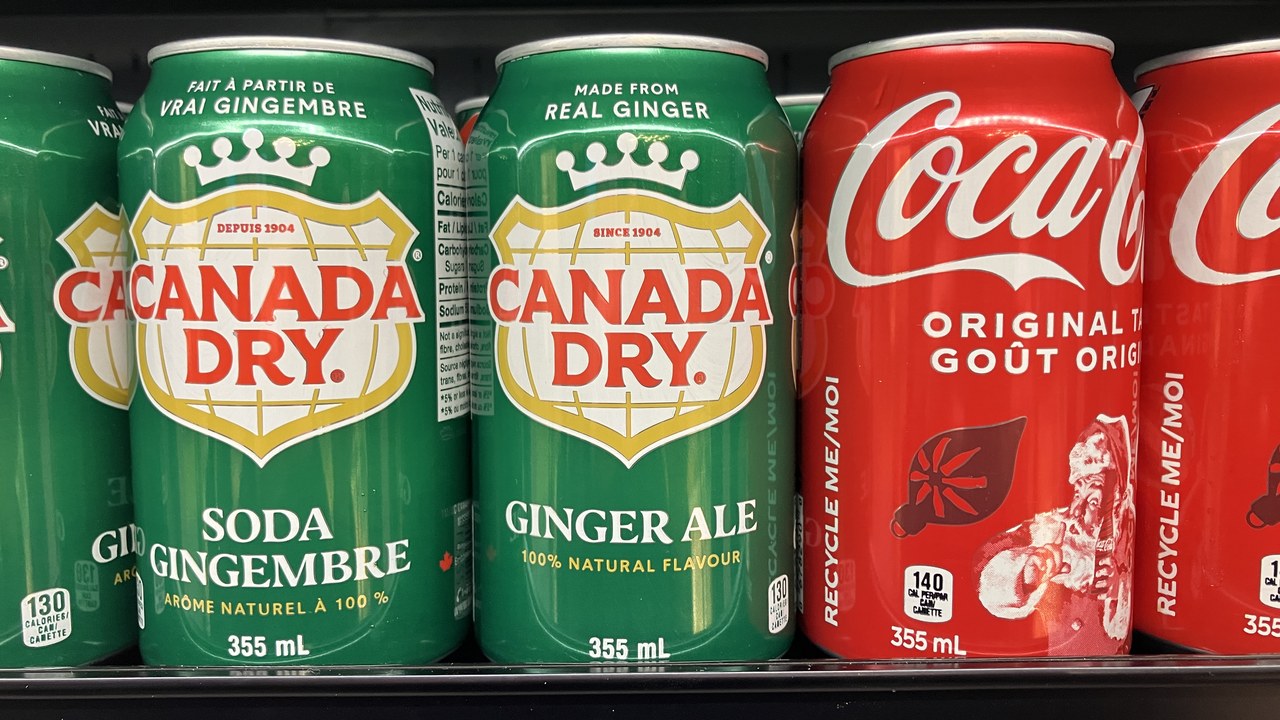
Montana’s waiver targets a wide swath of the sweets aisle. Once it takes effect, SNAP benefits there will no longer cover high-sugar beverages, energy drinks, candy, or prepared desserts. Virginia’s version is narrower, restricting only sweetened beverages, though state officials there have not published a shorter list of what counts. Both waivers reflect an approach used by nearly two dozen states: rather than cutting how much a household receives in SNAP benefits, they narrow what those benefits can be spent on.
The two dates sit close together on the calendar. According to the Food and Nutrition Administration’s approved-waiver table, Montana’s target implementation date is September 30, 2026, and Virginia’s is October 1, 2026 — both inside the three-week window from today. Montana’s health department has told retailers to expect updated guidance on its SNAP Food Restriction Waiver page, while Virginia is directing questions to its SNAP Healthy program page. Neither state has announced a delay.
Free retirement updates: A quiet rule change can shrink your Social Security or Medicare check, and no one warns you. The free Retirement Shield newsletter catches these early and tells you what to do. Get it free.
A Widening Map of State-by-State Restrictions
Montana and Virginia are not outliers. The USDA has approved food-restriction waivers in 23 states since the current wave of applications began, permitting each state to redefine which items SNAP dollars will cover. Utah and Indiana were first to implement restrictions, in January, followed by Idaho, Oklahoma, and Louisiana by mid-February. Texas and Florida added restrictions in the spring, and South Carolina and North Dakota followed in late August and early September. Some approved waivers, such as Hawaii’s and Wyoming’s, are not scheduled to take effect until 2027 or later. By the time Montana and Virginia join the list, more than a dozen of the 23 approved states will already be enforcing some version of a sweetened-drink or candy restriction, with several more on schedule for early 2027.
The program lets each state pick its own restricted list, so the rules read differently from one state line to the next. A few states, like Oklahoma and Idaho, limit only soft drinks and candy. Others, including Florida and Montana, add energy drinks and prepared desserts to the restricted list. The USDA’s retailer compliance guidance instructs stores to reprogram their point-of-sale systems so that restricted items are automatically declined when a shopper attempts to pay with an EBT card, the same debit-style card used to draw down SNAP benefits. That same compliance guidance gives retailers a lead time of several weeks before a waiver’s target date to update their systems, which is part of why USDA lists a target implementation date rather than an immediate effective date.
What Still Fits in the Cart
The restrictions do not touch the bulk of what SNAP already covers. Benefits still pay for meat, poultry, fish, dairy, bread, cereal, fruits, vegetables, and seeds or plants that grow food — the same categories eligible nationwide under the program’s underlying rules. What changes in Montana and Virginia is a narrower slice of the shopping list: the register will simply decline high-sugar beverages, energy drinks, candy, and, in Montana’s case, prepared desserts, the moment those items are scanned. Store clerks are not expected to manually flag purchases; the block happens automatically inside the same point-of-sale system that already separates SNAP-eligible items from things like paper towels or pet food, which SNAP has never covered.
For families relying on those benefits, the practical effect is a shift in trade-offs rather than a loss of purchasing power — the same benefit amount, spent on a shorter list of eligible items. Shoppers who previously used part of their monthly allotment on soda or packaged snacks will need to substitute something else covered under the waiver, whether that is juice with enough natural content to still qualify or a shelf-stable staple instead.
Five State Waivers Are on Hold After a Court Ruling
Not every approved waiver is moving forward. On June 22, 2026, a federal judge vacated the waivers granted to Colorado, Iowa, Nebraska, Tennessee, and West Virginia in Aragon v. Rollins, a case filed in the U.S. District Court for the District of Columbia. The USDA’s page for West Virginia’s waiver now states plainly that the agency’s approval was vacated and that the waiver’s implementation may not proceed. Retailers in those five states were separately told to stop any changes they had already begun.
Households in Colorado, Iowa, Nebraska, Tennessee, and West Virginia can continue buying items like soda and candy with SNAP benefits exactly as they could before their states applied for a waiver, at least until any appeal changes the outcome. The ruling has not touched Montana or Virginia, whose waivers remain listed as approved with active target dates, a reminder that the map behind these restrictions can still shift even as more states join the list.
Grocery-aisle restrictions are only one piece of how SNAP works for older households, and SNAP eligibility for people 60 and older is one of the benefits that goes unclaimed most often, alongside Medicare Savings Programs, Extra Help for prescription drug costs, and state energy assistance. Each program carries its own income limits, application, and local office, which is exactly why they get missed. A state-specific guide that lays out the 2026 limits and the right office to contact for each of these programs, gathered in The Benefits Checklist, turns that scattered search into one place to look.
This article was produced with AI assistance and reviewed by a human editor. Figures are linked to their primary sources; where a claim could not be verified from the public record, we say so.