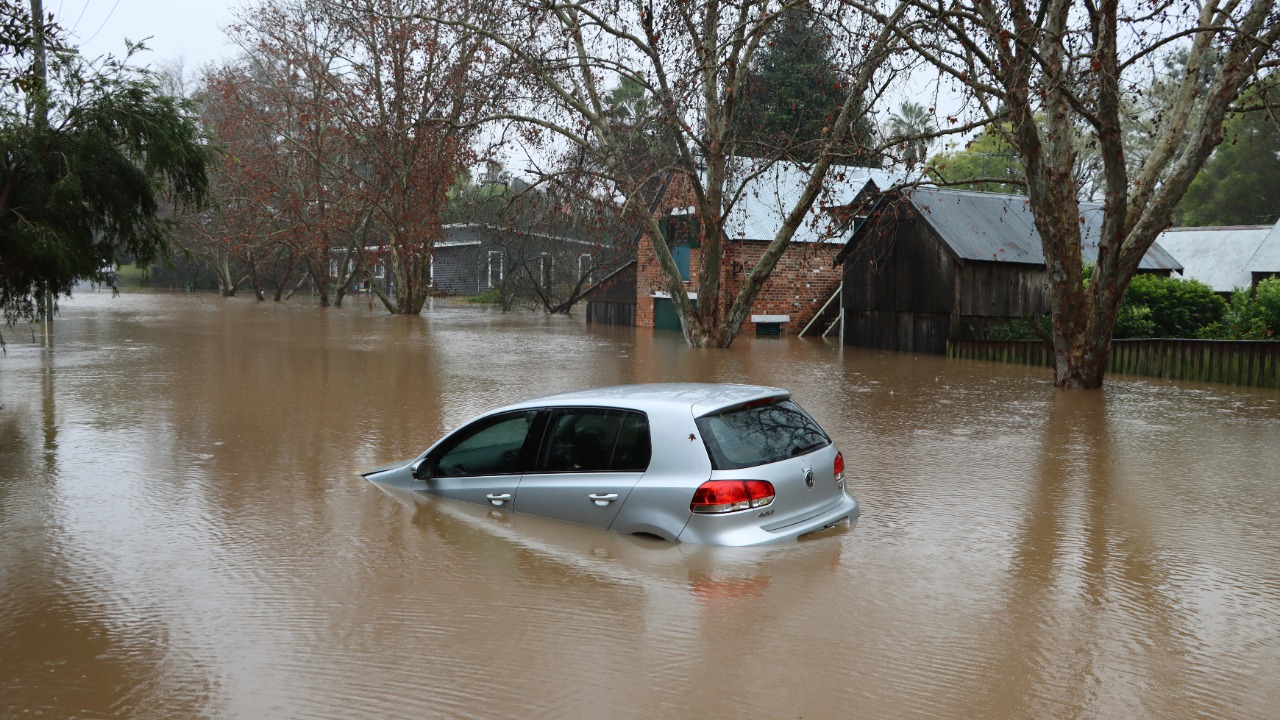
The federal government’s authority to sell and renew flood insurance policies is due to expire at 11:59 p.m. on September 30, 2026, unless Congress passes another extension before then. That deadline sits at the center of a housing market that leans heavily on the National Flood Insurance Program, the federally backed system that insures roughly five million homes and businesses nationwide. Real estate industry estimates put about 1,300 home sales a day, or close to 40,000 a month, in communities where a lender requires flood coverage before a loan can close.
Why September 30 Is a Hard Deadline, Not a Guideline
The NFIP does not have permanent authorization. Congress has to periodically extend the program’s legal authority to issue policies, and for years it has done that through short-term patches rather than a long-term deal. This particular deadline is not hypothetical: the program already lapsed once this year, when an earlier January 30 cutoff passed without action and flood insurance sales froze for several days.
Congress ended that lapse by passing the Consolidated Appropriations Act, 2026, which President Trump signed on February 3, extending the program’s authority to write new and renewal policies to the September 30 deadline listed on FEMA’s own reauthorization page. The same law left a separate pot of money, the Department of Homeland Security funding that covers NFIP’s mapping, mitigation and staffing operations, on a shorter leash, which is part of why the program keeps landing back at the edge of a cliff instead of getting settled for good.
Free retirement updates: Social Security and Medicare change every year, and nobody sends you a memo. Our free Retirement Shield newsletter breaks down what changed and what to do. Get it free in your inbox.
The 40,000 Closings a Month Riding on One Program
The National Association of Home Builders estimates that roughly 1,300 property sales occur every day in communities where a federally backed mortgage requires flood insurance, a figure that National Mortgage Professional cited when Congress ended the last lapse in February. Multiplied across a month, that is close to 40,000 closings that can stall if a lender cannot confirm a valid flood policy is in place. The exposure concentrates in the Gulf Coast, the Atlantic seaboard and inland river floodplains, where NFIP coverage is often the only affordable option and a hard condition of the loan itself.
A lapse does not cancel a scheduled closing outright, but it removes the ability to write the new policy a purchase typically requires. Buyers in high-risk flood zones who have not yet locked in coverage could find themselves needing a private flood policy on short notice, which tends to cost more and is not guaranteed to be available in every market. Sellers can face the same squeeze if their buyer’s financing depends on a policy that has not yet been issued.
What Actually Freezes When the Clock Runs Out
A lapse has a specific, narrow effect. FEMA loses the authority to issue new flood insurance contracts and to renew ones that are expiring, and the program’s authority to borrow from the U.S. Treasury drops sharply, from $30.425 billion to $1 billion, according to a Congressional Research Service explainer on what happens when NFIP’s authorization lapses. That borrowing cap matters most after a major flood event, when claims can outpace the premiums NFIP is collecting in real time, since the program leans on Treasury credit to bridge the gap.
The effect is deliberately limited to new business. For the roughly five million households that already hold an NFIP policy, a lapse in the federal government’s authority to sell new coverage does not touch the policy they already have; that coverage keeps running on its own separate schedule regardless of what happens in Washington.
A 35th Patch in Nine Years, With No Long-Term Deal in Sight
This is not new territory for the program. Since NFIP’s last full, multiyear reauthorization ended in fiscal year 2017, Congress has kept it alive through 35 short-term extensions, and this year alone has produced two separate lapses: a 43-day lapse tied to last fall’s government shutdown, and the brief lapse in late January and early February that triggered 24 gubernatorial emergency declarations and 12 federal emergency declarations across nearly 900 counties during a winter storm, according to a Coalition for Sustainable Flood Insurance account of the February law. Each fix has bought months, not years, leaving mortgage lenders, insurers and real estate agents planning around a recurring deadline instead of a settled program.
What Buyers and Sellers in Flood Zones Can Do Before the Deadline
Real estate and lending groups are urging anyone with a closing scheduled near or after September 30 to secure flood insurance as early as possible, since a policy already issued or already in underwriting is far less exposed than one that has not yet been submitted. Sellers can also ask whether an existing NFIP policy on the property can simply be assigned to the buyer at closing by substituting names on the paperwork, which sidesteps the need to write a brand-new policy altogether. Federal bank regulators have also indicated they will not force lenders to enforce the flood-insurance purchase requirement during a lapse, leaving individual lenders to decide whether to fund a loan in a high-risk flood zone while NFIP coverage is temporarily unavailable.
Homeowners and agents in flood-prone counties are watching whether Congress attaches another NFIP extension to the broader fiscal year 2027 spending package it must pass by the end of September. For now, the date has not moved: 11:59 p.m. on September 30, 2026, with the next round of the same fight already on the calendar.
This article was produced with AI assistance and reviewed by a human editor. Figures are linked to their primary sources; where a claim could not be verified from the public record, we say so.
More Financial Reading