Of the 15 drugs Medicare negotiated new prices for in its second round of talks, none got a bigger percentage discount than Janumet. Merck has agreed to sell the diabetes pill to Medicare drug plans for $80 for a 30-day supply starting January 1, 2027, down from a $526 list price in 2024. That’s an 85 percent cut, the steepest of the entire batch, whether measured against a $7,000 cancer drug or a common blood pressure pill.
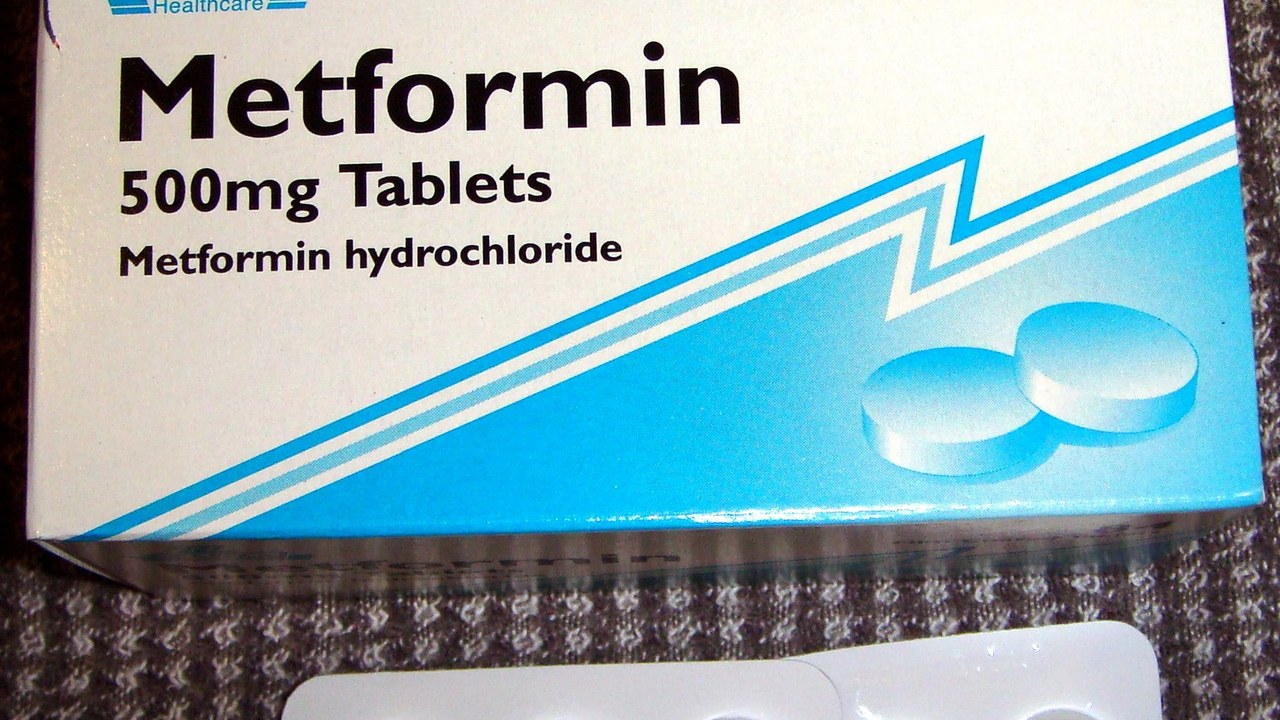
Janumet combines two ingredients, sitagliptin and metformin, into a single tablet for people managing type 2 diabetes. It’s a maintenance drug, meaning most people who take it keep taking it indefinitely, which is part of why the size of the discount matters more than it might for a short course of treatment. A person filling the prescription every month for years pays the difference between the old and new price dozens of times over, not once.
Why the Percentage Is the Headline Number Everyone Already Has
The 85 percent figure isn’t new information on its own. It’s been publicly available since CMS released its negotiated-price fact sheet, and it’s the kind of round, dramatic number that travels easily. What’s less commonly reported is what that percentage actually means in dollars for a specific prescription: an $80 price tag instead of $526 for the same 30-day supply. A percentage discount is hard to hold up against a pharmacy receipt. A dollar figure isn’t.
Free retirement updates: Keep more of your Social Security and savings with plain-English updates on the changes, deadlines, and costly mistakes retirees miss. Subscribe free.
239,000 Medicare Enrollees Were Taking Janumet in 2024
According to CMS, roughly 239,000 people with Medicare Part D coverage were dispensed Janumet or its extended-release version, Janumet XR, in 2024, and those prescriptions together accounted for just over $1 billion in gross Part D drug costs that year. That’s a smaller enrollee count than some of the other drugs on the second-cycle list, but the combination of a high starting price and an 85 percent cut means the negotiated price will meaningfully lower what Medicare and its plan sponsors pay out for every one of those prescriptions once it takes effect.
How a Diabetes Combination Pill Ended Up With the Steepest Cut
Janumet’s sitagliptin component works by helping the body release more insulin after meals and reducing the amount of sugar the liver produces, while metformin, its second ingredient, lowers blood sugar through a different mechanism entirely. The combination has been studied extensively in federally funded diabetes research comparing it with other treatment combinations, and it remains a common maintenance therapy for adults with type 2 diabetes. CMS doesn’t disclose the specific negotiation dynamics that produced any single drug’s final number, but the fact sheet notes that of the 15 drugs, eight reached agreement during negotiation meetings and seven, including some of the largest discounts, were settled only after CMS issued a final written offer that the manufacturer accepted.
What the Negotiated Price Does and Doesn’t Cover
The $80 figure is the price a plan pays Merck for the drug itself, not necessarily what an individual will owe at the pharmacy counter. Part D cost-sharing still runs through a plan’s own deductible, coinsurance, and the program’s annual out-of-pocket cap, which stands at $2,100 for 2026 and will be recalculated again before the negotiated price takes hold in 2027. What the new number guarantees is a lower baseline: the $526 list price that current cost-sharing percentages are often calculated from disappears, replaced by a price 85 percent smaller, for every pharmacy and plan required to honor it starting January 1, 2027.
Janumet’s Discount Against the Rest of the Second-Cycle List
No other drug in this negotiation round matched Janumet’s 85 percent cut. The next-closest discounts landed at 84 percent for a related diabetes drug and 83 percent for an asthma inhaler, while the smallest cut in the group was 38 percent. The range illustrates how differently the negotiations played out drug by drug, shaped by each medicine’s competition, clinical role, and the manufacturer’s own cost data, rather than any single formula applied uniformly across the list.
Why a Generic-Adjacent Combination Pill Still Qualified
Janumet is a fixed-dose combination of two ingredients, and one of them, metformin, has been available as a low-cost generic for decades on its own. What kept Janumet’s branded price high enough to qualify for negotiation was sitagliptin, the newer half of the pairing, which didn’t have generic competition at the time CMS made its selection. That’s a pattern across several drugs in this round: a branded combination or extended-release formulation commands a premium price even when part of its formula is otherwise inexpensive, and Medicare’s total spending on those premium formulations is what the negotiation program is designed to pull down. Once the $80 price takes effect in 2027, that gap between Janumet’s branded cost and a generic-only alternative narrows considerably, making the combination pill a far more comparable option, on cost alone, to piecing together its two ingredients separately at pharmacy-counter generic prices.
This article was produced with AI assistance and reviewed by a human editor. Figures are linked to their primary sources; where a claim could not be verified from the public record, we say so.
More Financial Reading