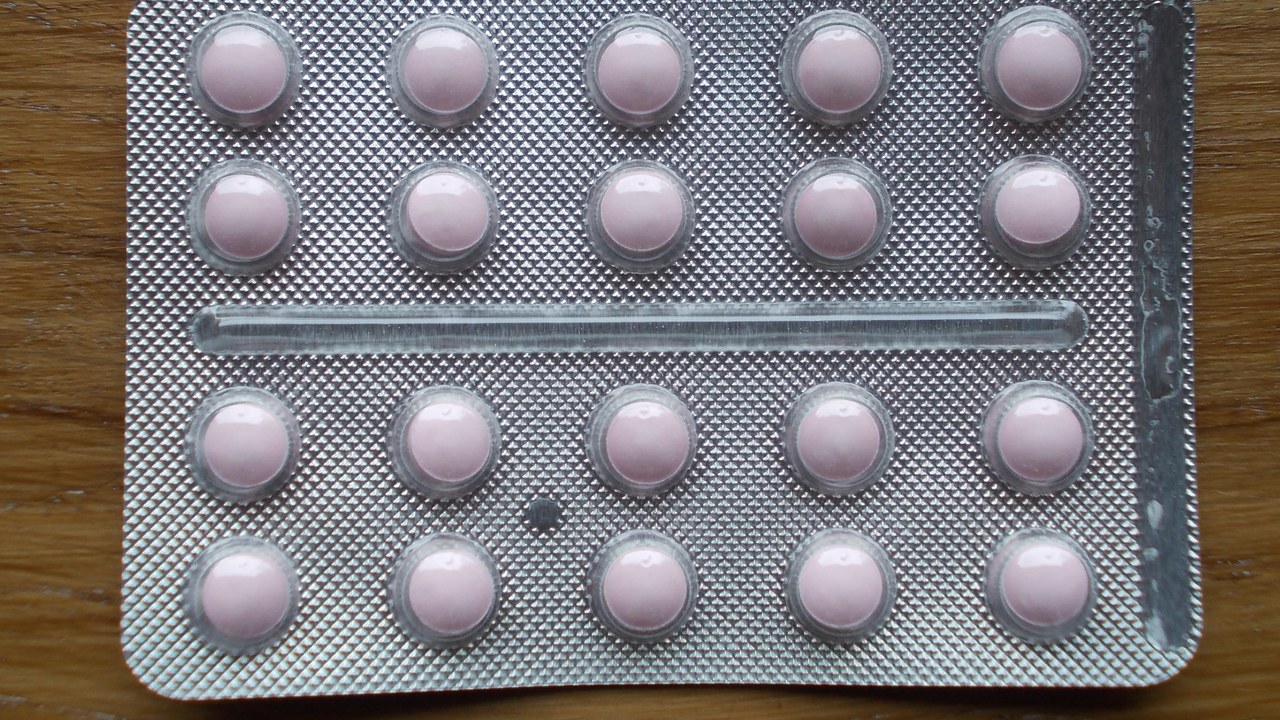
Linzess is not a specialty cancer drug or a rare-disease treatment. It’s a capsule millions of Americans with chronic constipation or irritable bowel syndrome take every day, and it’s now one of the 15 drugs Medicare has negotiated a lower price for. Starting January 1, 2027, a Medicare drug plan will pay AbbVie $136 for a 30-day supply, down from the $539 list price the same supply carried in 2024. That’s a 75 percent cut, and because so many people take the drug, it’s one of the negotiations with the broadest reach of the entire second cycle.
Of the 15 drugs covered in this round of negotiations, Linzess had the second-largest number of Medicare users behind only the group of semaglutide drugs used for diabetes and weight loss. That combination, a common condition and a branded drug with no generic competitor at the time, is exactly why it ended up on the government’s negotiation list.
Why a Constipation Drug Made a List Built for Cancer and Rare Disease
Most of the drugs the government has negotiated so far treat serious, high-cost conditions: certain blood cancers, prostate cancer, pulmonary fibrosis. Linzess stands out because chronic idiopathic constipation and constipation-predominant irritable bowel syndrome are common, everyday conditions, not rare ones. The drug, known generically as linaclotide, works by increasing fluid secretion in the intestine to ease the passage of stool, and it has been FDA-approved for both indications since 2012. Because it lacked a generic equivalent and carried a branded price for over a decade, it built up enough total Medicare spending, nearly $2 billion in gross Part D costs in 2024 alone, to land squarely in the pool of drugs eligible for negotiation.
Free retirement updates: A quiet rule change can shrink your Social Security or Medicare check, and no one warns you. The free Retirement Shield newsletter catches these early and tells you what to do. Get it free.
632,000 Enrollees, and What the Discount Is Worth to Each of Them
According to CMS’s own count, roughly 632,000 people enrolled in Medicare Part D were dispensed Linzess in 2024. That total Part D gross covered cost for the drug came to just under $2 billion for the year, meaning the average dispensed cost worked out to a bit over $3,100 per enrollee annually at list price, for people who may need the drug continuously to manage a chronic condition. A 75 percent cut on the underlying price doesn’t automatically mean an individual’s copay drops by three-quarters, since plan cost-sharing formulas vary, but it does lower the baseline every plan’s cost-sharing is calculated from.
How AbbVie’s Price Compares to the Rest of the Second Cycle
Linzess’s 75 percent discount is among the steeper cuts in this round of negotiations, though not the steepest. Across the 15 drugs in the second cycle, the discount off 2024 list prices ranges from 38 percent on one end to 85 percent on the other, and Linzess sits closer to the higher end of that range. In dollar terms, the $403 drop from $539 to $136 is smaller than the multi-thousand-dollar cuts negotiated for cancer and pulmonary drugs on the same list, but because so many more people take Linzess, its total effect on Part D spending is disproportionately large relative to its per-unit price.
What Doesn’t Change Before January 2027
Nothing about how Linzess is prescribed changes because of the negotiated price. The drug’s clinical role treating chronic constipation and IBS with constipation is unaffected by the pricing agreement, and coverage still depends on a person’s specific Part D or Medicare Advantage plan formulary between now and when the new price takes hold. What changes is strictly financial: the amount AbbVie is required to make available to pharmacies and plans for the drug, starting January 1, 2027, and the base that a plan’s cost-sharing math for Linzess will be built on going forward. Medicare enrollees currently taking the drug will keep paying under today’s pricing structure until that date arrives.
Why AbbVie Agreed to the Price It Did
CMS doesn’t publish the internal give-and-take behind any single drug’s final number, but its fact sheet describes the general process: an initial CMS offer by June 1, 2025, a company counteroffer within 30 days, then three negotiation meetings held between the summer and fall of that year. For eight of the 15 drugs in this round, the two sides landed on a price during those meetings; for the remaining seven, CMS issued a final written offer that the manufacturer accepted before the November 1, 2025, deadline. AbbVie’s agreement on Linzess fits into that same process, shaped by factors the statute requires CMS to weigh, including the drug’s clinical alternatives, its production and distribution costs, and how much of its original research and development investment AbbVie had already recouped by the time negotiations began. Linzess has been on the market since 2012, giving AbbVie more than a decade to recover its initial development costs before this round of negotiations even began, a timeline CMS is required to factor into its offer under the statute governing the program.
This article was produced with AI assistance and reviewed by a human editor. Figures are linked to their primary sources; where a claim could not be verified from the public record, we say so.
More Financial Reading