Astellas Pharma has agreed to sell Xtandi, one of the most widely used prostate cancer drugs on the market, to Medicare drug plans for $7,004 for a 30-day supply starting in January 2027. That’s down from the $13,480 the same supply cost at list price in 2024, a discount of 48 percent. The new number comes from the federal government’s second round of drug price negotiations, and it’s one of the largest single price cuts, measured in dollars, in the whole program.
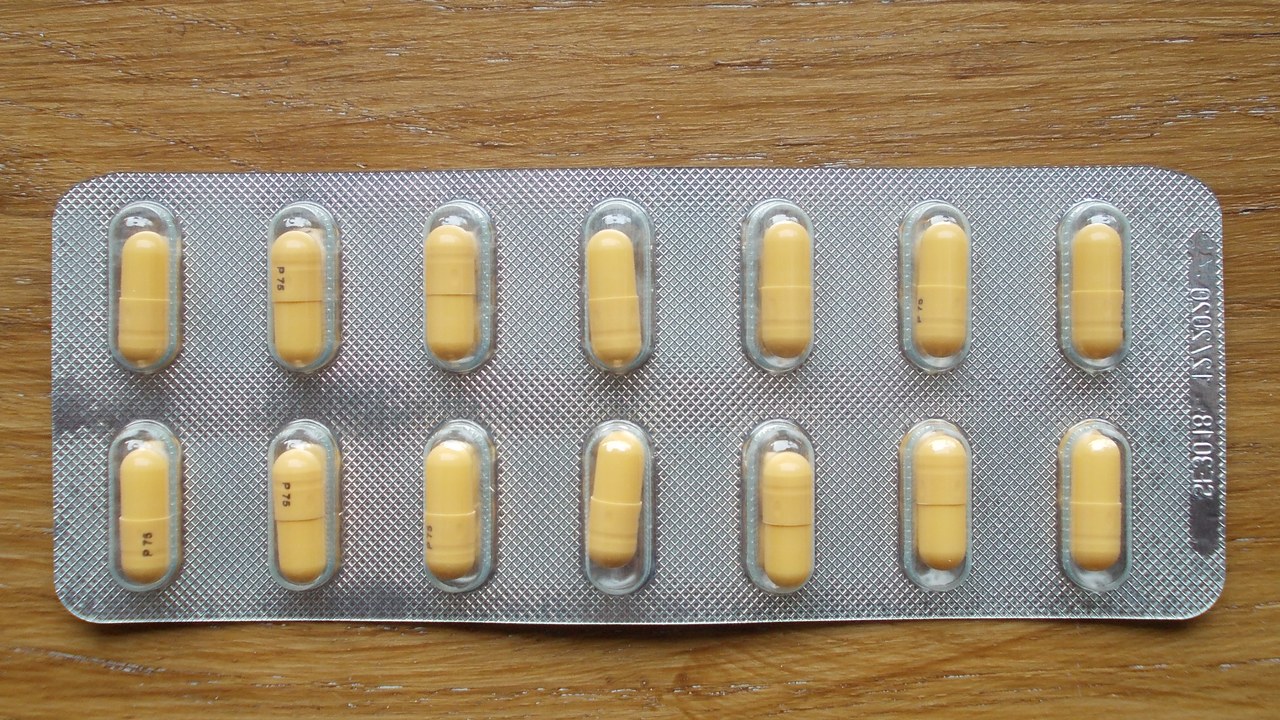
Xtandi treats several stages of prostate cancer, from early disease that’s stopped responding to hormone therapy to cancer that has already spread. It’s typically taken as a daily pill, and because treatment often continues for months or years, the price of a single 30-day supply compounds quickly for anyone paying a share of it.
Why a Small Patient Group Still Made the Negotiation List
Xtandi isn’t a mass-market drug the way a common blood pressure pill is. Roughly 35,000 people with Medicare Part D coverage used it in 2024, a small slice of the 53 million people enrolled in Part D plans nationwide. What put it on the government’s radar wasn’t the number of people taking it but the total bill: those 35,000 prescriptions added up to about $3.4 billion in gross Part D drug costs in a single year, an average north of $95,000 per patient annually at list price. That combination, a high per-patient cost multiplied across enough people to matter to the program’s overall budget, is exactly the profile the Medicare Drug Price Negotiation Program was built to target.
Free retirement updates: One number can cost or save hundreds a month in retirement. The free Retirement Shield newsletter surfaces the ones worth knowing. Sign up free.
How Astellas and CMS Arrived at $7,004
The negotiated price wasn’t set unilaterally. Under the Inflation Reduction Act’s negotiation process, the Centers for Medicare & Medicaid Services sent Astellas an initial offer for Xtandi by June 1, 2025, and Astellas had 30 days to respond with a counteroffer. The two sides then held three negotiation meetings over the summer and fall of 2025 to work toward a mutually acceptable number, factoring in things like Xtandi’s clinical role, competing treatments, and the drug’s production and development costs. CMS’s public record of the second-cycle negotiations shows the period for all 15 drugs closed on November 1, 2025, with Xtandi’s price landing at $7,004, just over half of its 2024 list price.
What the Discount Doesn’t Change: Xtandi’s Medical Role
The price negotiation doesn’t touch how Xtandi is prescribed or who qualifies for it. The drug works by blocking testosterone from reaching androgen receptors that fuel prostate cancer growth, and its FDA-approved uses have expanded over the past decade to cover men with metastatic and non-metastatic forms of the disease, including some at high risk of recurrence after earlier treatment. Coverage decisions, dosing, and eligibility for Xtandi remain a matter between a patient, their oncologist, and their specific Part D or Medicare Advantage plan’s formulary rules. The negotiated price only sets a new ceiling on what the plan and, indirectly, the person taking the drug can be charged once it applies.
The Gap Between the List Price and What Anyone Actually Pays Today
It’s worth being clear about the distinction between the $13,480 figure and what a Medicare enrollee is billed right now. The $13,480 is Astellas’s wholesale acquisition cost for a 30-day supply in 2024, a benchmark price before rebates, discounts, and a plan’s own coverage structure are applied. Most people on Part D already pay a coinsurance percentage rather than the full list price, and the Inflation Reduction Act’s Part D overhaul now caps total annual out-of-pocket drug spending at $2,100 for 2026, up from the $2,000 cap that first applied in 2025. What changes on January 1, 2027, is the number underneath all of that: the price a plan sponsor pays Astellas, and by extension the base a person’s share is calculated from, drops by nearly half.
Xtandi’s Discount Compared With the Rest of the 2027 List
Xtandi’s 48 percent cut sits roughly in the middle of the range for this negotiation round, which spans a 38 percent discount on one drug up to an 85 percent discount on another. It’s a smaller percentage cut than some of the diabetes and asthma drugs on the same list, but because Xtandi’s starting price is so much higher, the dollar-for-dollar drop, more than $6,400 off a single month’s supply, is one of the largest of any drug CMS negotiated in this cycle. Among the 15 drugs, only a handful carry a higher list price to begin with, which is part of why a mid-range percentage discount still translates into one of the largest raw dollar reductions in the group.
What Happens Between Now and the January 2027 Start Date
For the next several months, nothing about Xtandi’s price changes. Astellas can continue billing its 2024-era list price, adjusted for any annual increases the company applies in the meantime, and Part D plans will keep covering the drug under their existing formulary and cost-sharing rules through the end of 2026. The $7,004 figure only becomes binding on January 1, 2027, when the law requires Astellas to make that price available to every pharmacy, mail-order service, and plan dispensing the drug to a Medicare enrollee. After that first year, the price won’t stay frozen either. Under the negotiation program’s rules, CMS will update each selected drug’s price annually by the change in the Consumer Price Index for urban consumers, so Xtandi’s 2028 price will be the 2027 negotiated price plus that year’s inflation adjustment, unless CMS and Astellas negotiate a new figure sooner.
This article was produced with AI assistance and reviewed by a human editor. Figures are linked to their primary sources; where a claim could not be verified from the public record, we say so.
More Financial Reading