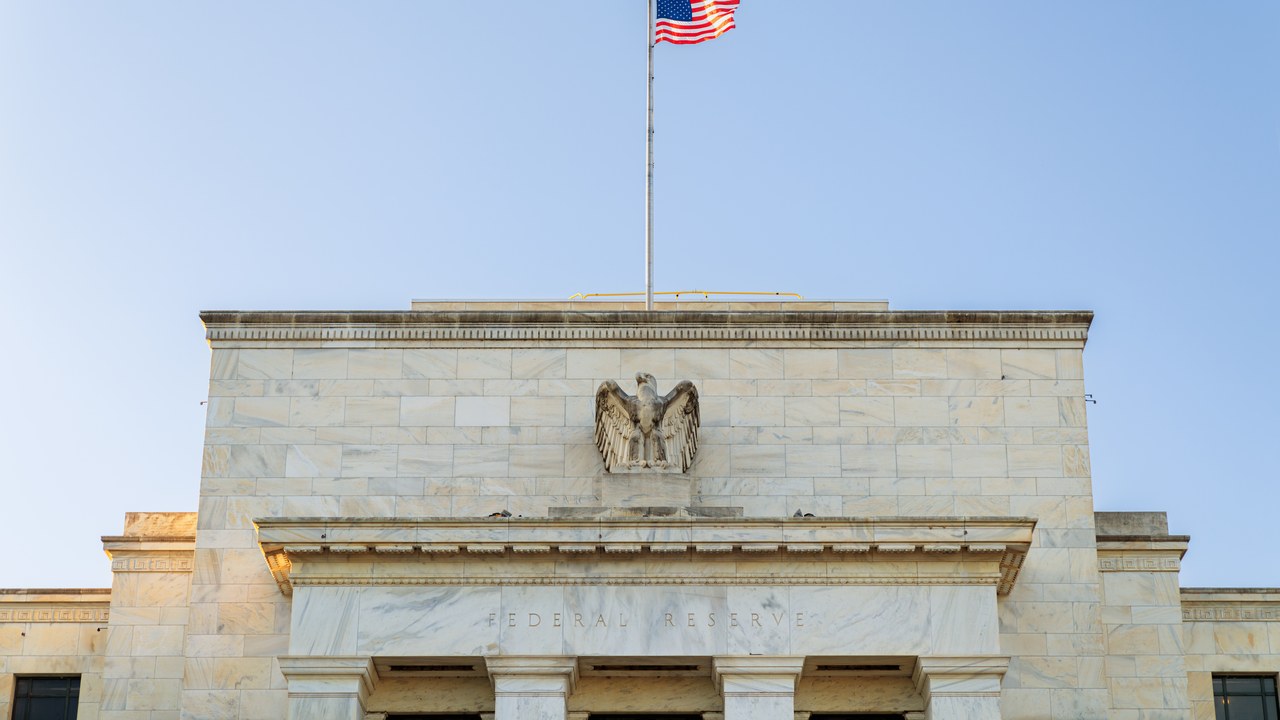
Two long-running supervisory actions against banks came off the books on September 4, when the Federal Reserve Board announced it had closed them: a cease-and-desist order against United Texas Bank in Dallas that had stood since August 2024, and a written agreement tied to the holding companies of Quontic Bank, a consumer-facing online bank based in Astoria, New York, that dated back to July 2023. Both actions were formally terminated effective September 2, 2026. For customers of either bank, the change in paperwork doesn’t touch how their deposits are protected, since deposit insurance coverage never depended on either order being in place.
What Examiners Found at United Texas Bank in 2024
United Texas Bank is a Texas state-chartered bank that belongs to the Federal Reserve System, so it answers to both the Federal Reserve Bank of Dallas and the Texas Department of Banking. The consent order those two regulators issued in August 2024 traces back to an examination dated May 22, 2023, which found significant deficiencies in the bank’s corporate governance and board oversight, concentrated in how the bank handled foreign correspondent banking relationships and virtual currency customers. The order specifically cited gaps in the bank’s compliance with the Bank Secrecy Act, its anti-money-laundering program, and the sanctions-screening rules enforced by Treasury’s Office of Foreign Assets Control.
The order didn’t accuse the bank of losing customer money or committing fraud. It required the board of directors to submit and carry out written plans on five separate fronts, ranging from board oversight to the anti-money-laundering compliance program itself to how the bank screens and monitors customer accounts, each on a 60- to 90-day clock, with quarterly progress reports due to regulators along the way. The order also required a revised corporate-governance plan responding to an independent third-party review dated January 31, 2024, and a separate customer due-diligence overhaul addressing a second outside report dated July 3, 2024, meaning outside reviewers had already documented the gaps before regulators acted.
Free retirement updates: Miss an enrollment or claim deadline and it may be gone. Our free Retirement Shield newsletter keeps readers ahead of the ones that matter. Get the free newsletter.
Why Quontic’s Holding Companies Signed a Separate Agreement
Quontic’s situation ran through a different door. The Fed’s written agreement wasn’t with Quontic Bank itself, a federal savings bank supervised primarily by the Office of the Comptroller of the Currency; it was with Quontic Bank Acquisition Corp. and Quontic Bank Holdings Corp., the two Astoria-based holding companies that own the bank. Signed with the Federal Reserve Bank of Philadelphia in July 2023, the agreement pointed back to a separate consent order the bank itself had entered with the OCC in October 2022, and it required the holding companies to act as a financial “source of strength” for the bank going forward.
In practice, that meant the holding companies couldn’t pay dividends, buy back shares, or take on new debt without the Philadelphia Fed’s written approval, and had to file a capital plan and cash-flow projections showing they could keep supporting the bank if it needed help. The agreement also required the companies to follow formal bank-regulatory notice procedures before adding or reassigning senior executives, a routine safeguard the Fed layers onto companies already under this kind of agreement. These were restrictions on the parent companies’ finances, not on how Quontic opens accounts or handles deposits day to day.
Deposit Insurance Was Never Part of Either Order
Neither document mentions deposit insurance, because an enforcement order and deposit insurance answer two different questions. Supervisory orders like these are about whether a bank’s internal controls and compliance programs meet regulatory standards; deposit insurance is a separate, statutory guarantee that covers up to $250,000 per depositor, per insured bank, per ownership category, regardless of whether that bank has ever been under an enforcement action. United Texas Bank and Quontic Bank both remained insured, open, and operating normally throughout the entire period their respective orders were active.
A Termination Is Itself a Formal, Dated Action
Ending an enforcement action is the regulator’s way of saying the underlying problems were fixed to its satisfaction, not that the problems never mattered. Both the United Texas Bank order and the Quontic agreement state that their provisions remain effective and enforceable until stayed, modified, suspended, or terminated in writing by the regulator that issued them, which makes termination itself a formal, dated action, the same as issuing the order was in the first place. Neither the Fed’s termination announcement nor the underlying documents spell out exactly what corrective steps satisfied examiners; termination notices from the Fed typically run a sentence or two, without an exit narrative or a public accounting of every fix a bank made.
Where to Check Any Bank’s Enforcement History Yourself
Anyone can look up whether their own bank, or its holding company, has ever been under a Federal Reserve enforcement action using the Board’s own searchable database, which lists open and closed orders by institution name. The FDIC and the OCC maintain their own separate, searchable lists for the banks each of them primarily supervises, since which regulator polices a given bank depends on its charter type rather than its size. For Quontic customers specifically, this month’s action only concerns the holding companies; whether the underlying 2022 OCC consent order affecting Quontic Bank itself has also been resolved isn’t addressed in the Fed’s announcement and would need to be confirmed separately with the OCC. A closed enforcement action in a bank’s history isn’t unusual on its own — dozens are issued and lifted across the banking system in a typical year, and the two closed this month fit that ordinary, if slow-moving, pattern.
This article was produced with AI assistance and reviewed by a human editor. Figures are linked to their primary sources; where a claim could not be verified from the public record, we say so.
More Financial Reading