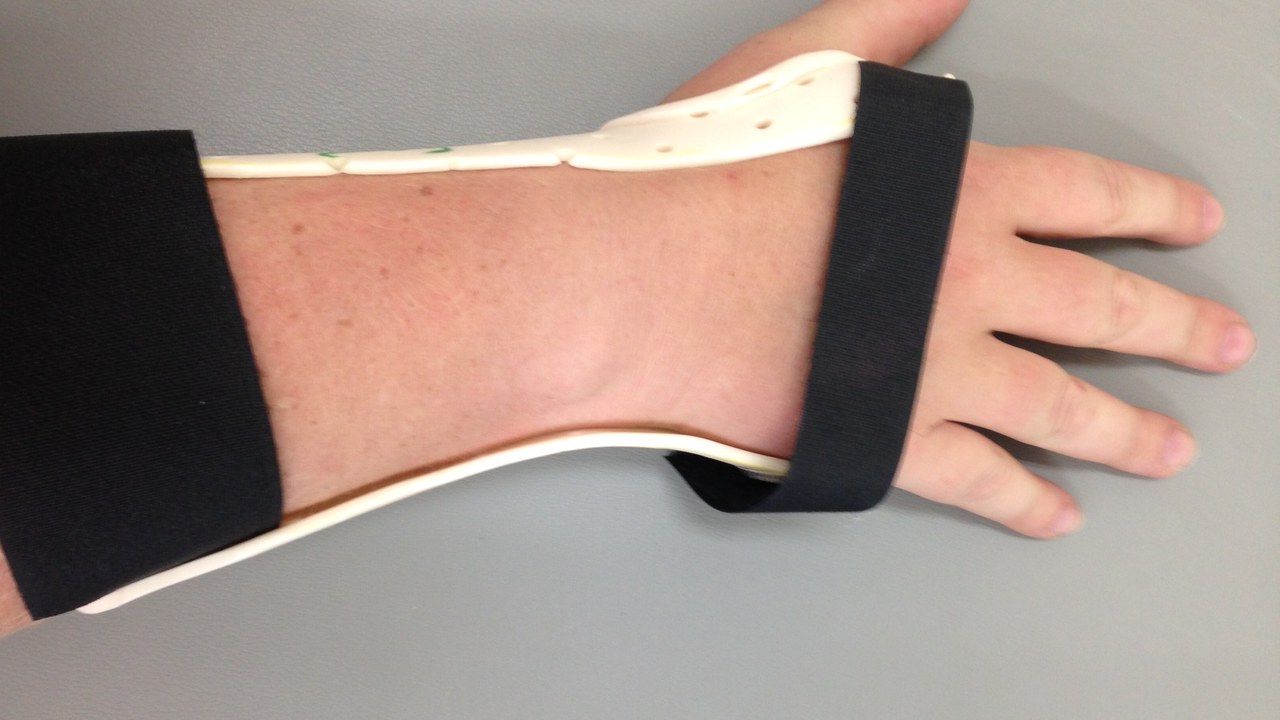
A brace shows up in the mail. Nobody in the house ordered it, no doctor ever mentioned it, and it sits in its box because no one needs it. That is not a shipping error — it is the exact scheme two Florida men just went to federal prison for running on a $34.8 million scale, with Medicare picking up every bill along the way. The case, closed this month, is a useful map of exactly what that kind of fraud looks like from the inside, and exactly what a household on Medicare should do if it ever happens to them.
How Two Men Turned Fake Doctors’ Orders Into $34.8 Million
Kenneth Charles Kessler III, 43, of Miami, and Michael Andrew Gomez, 43, of Miramar, owned and ran seven durable medical equipment companies across Florida. According to the U.S. Department of Justice, they paid kickbacks and bribes to get fraudulent, signed doctors’ orders, then used those orders to ship orthotic braces — back, knee, shoulder and wrist supports — to Medicare beneficiaries around the country, including people who never requested the equipment and never needed it. Every shipment carried a claim submitted to Medicare, and those claims eventually totaled $34.8 million billed to the program before investigators caught up with them.
Kessler personally profited more than $1.4 million from the scheme, and Gomez took home more than $2.3 million. Both men pleaded guilty in May 2026 to one count of conspiracy to commit health care fraud. On September 4, 2026, a federal judge in the Southern District of Florida sentenced Kessler to 33 months in prison and Gomez to 24 months. The FBI’s Miami Field Office and the Department of Health and Human Services’ Office of Inspector General investigated the case, and it was prosecuted by trial attorneys with the Justice Department’s National Fraud Enforcement Division, the unit created in April 2026 specifically to pursue fraud against federal benefit programs.
Free retirement updates: One number can cost or save hundreds a month in retirement. The free Retirement Shield newsletter surfaces the ones worth knowing. Sign up free.
The Seven-Company Shell Game That Dodged Medicare’s Fraud Alarms
Medicare does have safeguards built in, including payment suspensions that trigger when a supplier’s billing pattern looks abnormal. Kessler and Gomez got around them by spreading their operation — and their fraudulent claims — across seven separate DME companies they controlled. When Medicare suspended payments to one company over suspicious billing, they simply shifted the fraudulent orders to another company on the list and kept shipping braces under a different business name. On paper, regulators were looking at several small, unrelated suppliers instead of one operation, which is part of why it ran long enough to reach $34.8 million before it was stopped.
This is not a rare structure in durable medical equipment fraud. Because Medicare pays claims quickly and audits after the fact, a supplier that stays a step ahead of a suspension can keep billing almost indefinitely by simply opening the next shell company. That is also why the government’s warning to beneficiaries is so specific: the equipment itself is the bait, and your Medicare Number attached to a paid claim is the actual product being sold, whether or not you ever open the box.
What an Unordered Brace at Your Door Is Really Telling You
If a brace, sling or wrap turns up at your house and no doctor prescribed it, that is not free medical equipment — it is a sign someone billed Medicare using your name and your Medicare Number without your knowledge. Medicare’s own guidance tells beneficiaries not to accept medical supplies they don’t expect, that their doctor didn’t order, or that arrive from a supplier they don’t recognize. Even when you don’t pay anything out of pocket for an item you never asked for, accepting it — or just setting it aside and forgetting about it — leaves a paid claim sitting under your name, and it signals to whoever billed it that your Medicare Number is active and worth billing again.
Reading Your Medicare Summary Notice Before Fraud Repeats
Every three months, Medicare mails — or emails, if you’ve switched to electronic notices — a Medicare Summary Notice listing every claim billed under your Medicare Number: what the supplier billed, what Medicare paid, and what you owe, if anything. It is not a bill; it’s a receipt, and it’s the fastest way to catch a fraudulent claim before it happens a second time. Compare each line against what you actually remember receiving in that three-month window. A brace, wheelchair, glucose monitor or any other item you never got, never ordered, or never discussed with a doctor is your evidence, even if the notice shows you owe nothing for it.
You don’t have to wait for the paper notice to catch up with you. Setting up a free Medicare.gov account lets you see claims online as soon as they’re processed, often weeks before the mailed summary arrives, which matters if a fraudulent supplier is billing repeatedly. If you help an aging parent or relative manage their Medicare, this is worth doing together — a lot of unordered-equipment fraud specifically targets older beneficiaries who are less likely to check a mailed notice line by line.
Who to Call When a Charge You Don’t Recognize Shows Up
Medicare’s official line for suspected fraud is 1-800-MEDICARE (1-800-633-4227), and you can also file a report directly with the Department of Health and Human Services Office of Inspector General online. A State Health Insurance Assistance Program counselor, free in every state, can walk through a confusing Summary Notice with you line by line if you’re not sure what you’re looking at. None of this costs you anything to report, and it’s the same kind of tip that FBI and HHS-OIG investigators used to build the case that eventually put Kessler and Gomez in federal prison.
This article was produced with AI assistance and reviewed by a human editor. Figures are linked to their primary sources; where a claim could not be verified from the public record, we say so.
More Financial Reading