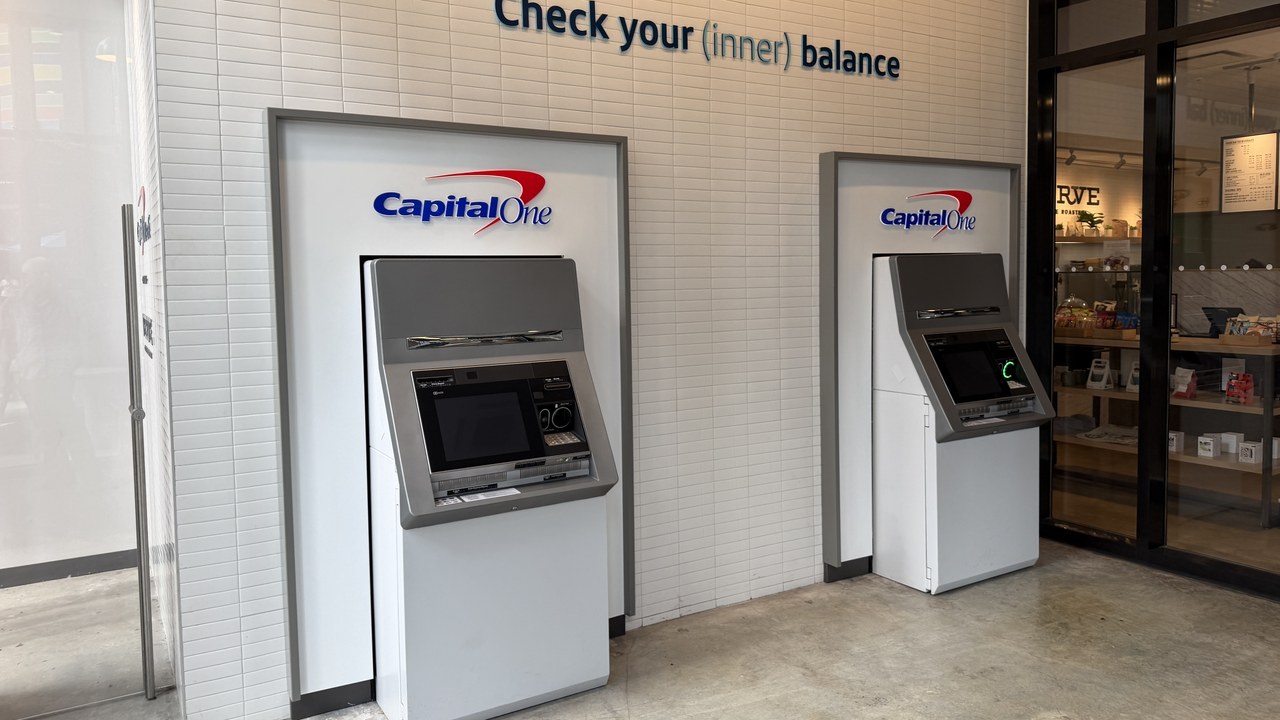
Capital One customers who have held on to an older 360 Savings account got a rate bump on August 4, 2026, when the bank raised the interest paid on that legacy product to match its newer, higher-paying 360 Performance Savings account. For years, the two accounts paid very different rates even though they functioned almost identically, so the change closes a gap that had quietly cost long-time savers real money every month.
The move traces back to a multidistrict lawsuit over that rate gap, in which accountholders alleged Capital One kept paying the lower legacy rate while marketing the newer account’s higher yield elsewhere, without clearly telling existing 360 Savings customers that a better-paying option existed under the same roof. The rate increase itself, though, already happened — it is not a future promise tied to a court date still to come.
The August 4 Move That Closed a Years-Old Rate Gap
According to the court-appointed settlement administrator overseeing the litigation, Capital One “moved forward with increasing the interest rate for 360 Savings accounts to match the interest rate for 360 Performance Savings accounts” on August 4, 2026. That means anyone who still holds a 360 Savings account — the product Capital One stopped opening for new customers back in September 2019 — now earns the same rate as someone with the newer, actively marketed 360 Performance Savings account.
The two accounts share the same basic structure: no monthly fee, no minimum balance, and daily interest that compounds monthly. What had separated them for years was simply the posted rate, with the older account consistently paying less.
Free retirement updates: One number can cost or save hundreds a month in retirement. The free Retirement Shield newsletter surfaces the ones worth knowing. Sign up free.
How Wide the Gap Had Grown Before the Fix
The size of that gap is documented in the litigation record itself. When Capital One introduced 360 Performance Savings in September 2019 and stopped offering new 360 Savings accounts, it paid a 1.90% APY on the new account versus 1.00% APY on the old one. The spread widened sharply as the Federal Reserve raised rates: between April and September 2024, Capital One paid 4.35% APY on 360 Performance Savings while 360 Savings sat at just 0.30% APY. As of June 2025, the gap was still substantial — 3.60% APY on the newer account against 0.50% APY on the legacy one.
For a household with, say, $15,000 parked in an older 360 Savings account during that 2024 stretch, the difference between 0.30% and 4.35% APY worked out to hundreds of dollars a year in interest the account simply never paid — money that went instead to accountholders who had opened the newer product.
What Getting the Same Rate Actually Means Day to Day
Because both accounts now pay the same posted rate, a legacy 360 Savings holder no longer needs to open a new account or move money anywhere to capture the higher yield — the existing account simply earns more starting from the effective date of the change. Capital One’s own product materials describe the underlying mechanics: the rate is variable and can change at any time, interest accrues daily and compounds monthly, and there is no minimum balance or monthly fee tied to keeping the account open. Because the posted APY moves with market conditions rather than staying fixed, a saver’s actual yield going forward will track whatever Capital One sets for both products from this point on, not a locked-in number from August 4.
The practical upside for someone who never got around to closing an old account or shopping around: the penalty for staying put with Capital One specifically has been removed, at least for now, without any paperwork required. The account also carries no tiers — the same posted rate applies to the entire balance, whether the account holds a few hundred dollars or a much larger emergency fund — and deposits remain FDIC-insured up to the allowable limits, the same protection that applied before the rate changed.
The Rate Moved Even Though the Settlement Itself Is Not Final
The rate change is notable for a second reason: it happened before the underlying case was actually resolved. The lawsuits over the rate gap were consolidated into In re: Capital One 360 Savings Account Interest Rate Litigation, No. 1:24-md-03111-DJN, in the U.S. District Court for the Eastern District of Virginia, and the parties reached a proposed settlement that also includes a separate cash fund for eligible current and former accountholders. But per the administrator, the settlement’s Effective Date has not occurred because an appeal of the court’s Final Approval Order is still pending. Capital One denies the underlying allegations of wrongdoing, and the court has not ruled that the bank did anything improper.
That distinction matters for anyone trying to understand what is and is not locked in. The interest-rate parity between 360 Savings and 360 Performance Savings is already happening in accounts today, confirmed directly by the administrator overseeing the case. Any cash payments tied to the broader settlement remain on hold until the appeal is resolved, a separate process with its own timeline that has not concluded.
This article was produced with AI assistance and reviewed by a human editor. Figures are linked to their primary sources; where a claim could not be verified from the public record, we say so.
More Financial Reading