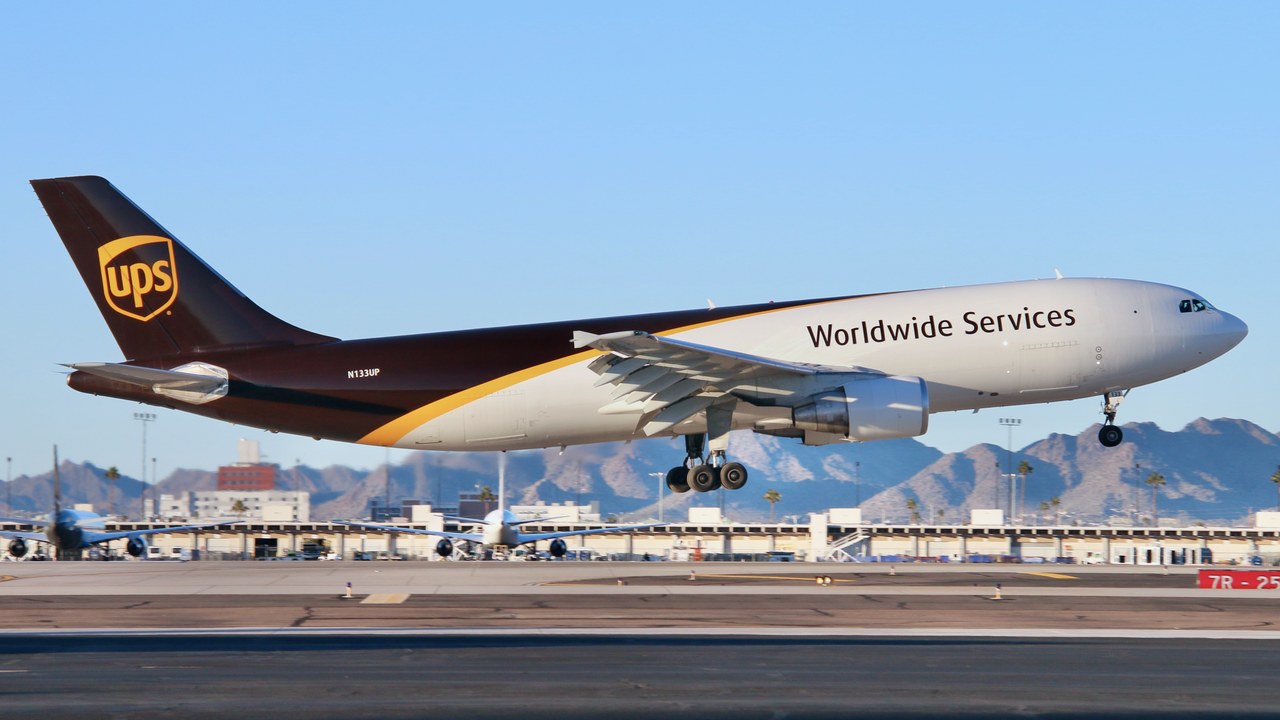
FedEx, UPS and DHL have each told customers they will pass along tariff refunds once the federal government pays the carriers back. Target just banked $994 million from that same refund pool and is not cutting checks to shoppers with it. Both are legal, and both trace back to the same February court ruling — the difference comes down to whose name was on the customs paperwork when the tariff was paid.
How the IEEPA Ruling Turned Into a Refund Pipeline
In February, the Supreme Court ruled that a wide swath of tariffs the Trump administration imposed under the International Emergency Economic Powers Act had exceeded the president’s authority. U.S. Customs and Border Protection then opened a claims process for companies that had paid those duties. By mid-August, the government had already returned roughly $100 billion of an expected $166 billion, with tens of billions more still working through review, according to a report on Target’s earnings that traced the refund math back to CBP’s own figures.
The tariffs being unwound had touched everyday household purchases for more than a year — everything shipped internationally through a courier, plus goods stocked on store shelves by big retailers, carried the added duty as part of its landed cost. That is why the refund pool now splits into two very different pots: money tied to a specific shipment that a specific customer paid for, and money that was simply absorbed into a retailer’s cost of goods long before it reached checkout.
Free retirement updates: Keep more of your Social Security and savings with plain-English updates on the changes, deadlines, and costly mistakes retirees miss. Subscribe free.
FedEx, UPS and DHL Say the Money Passes Through to You
Only the “importer of record” — the party that legally owned the shipment when it crossed the border — can file a refund claim with CBP. For millions of packages, that party was the shipping carrier, not the person or business that ultimately paid for the goods. UPS says on its own site that “for shipments where UPS was the IOR, we will work to request and retrieve IEEPA tariff refunds from CBP on our customers’ behalf,” and that once the money arrives, it has a process to issue refunds to the payors.
FedEx has made a similar commitment. The company’s own tariff guidance states plainly that “if refunds are issued to FedEx, we will issue refunds for IEEPA tariffs paid to the shippers and consumers who originally bore those charges,” and that it is submitting claims for every entry where it acted as customs broker, working to repay customers once it is made whole. DHL Express has committed to the same approach: where it served as importer of record, the company says it will pass the refund on to the party that originally paid the duties as CBP releases the funds.
Target’s $994 Million Boosted Profit, Not Your Receipt
Target’s situation looks different because Target itself was the importer of record for the goods on its own shelves — it paid the tariffs directly as a cost of doing business, not as a fee charged separately to any one shopper’s order. When Target reported its second-quarter 2026 earnings on August 20, it disclosed a $994 million pre-tax reimbursement tied to the IEEPA refunds, a figure large enough to help double the company’s quarterly operating income to $2.6 billion from $1.3 billion a year earlier, according to Target’s own earnings release.
Asked directly what Target planned to do with the windfall, chief financial officer Jim Lee did not commit to refunding customers. “We have and will continue to invest in price,” he said on the earnings call, a comment that points toward selective future price cuts rather than any repayment tied to what a specific shopper paid during the tariff period. Target is not required to do anything more than that. Once a tariff refund lands on a retailer’s own books rather than a customer’s shipping bill, it becomes ordinary company revenue, and how a public company spends its revenue — on prices, on profit, on shareholders — is a business decision, not a legal obligation to any individual shopper.
Why the Difference Comes Down to Who Paid the Tariff
The distinction matters for anyone trying to figure out whether they are owed anything. FedEx, UPS and DHL charged import duties as a separate, itemized cost on specific shipments — a small business importing parts, or a consumer ordering an item from overseas, often saw that tariff charge as its own line on the bill. That traceable, per-shipment charge is what the carriers are now unwinding.
Target’s tariffs, by contrast, were baked into the wholesale cost of merchandise long before it reached a shelf or a cart. There is no itemized “tariff charge” on a Target receipt to reverse, which is part of why the retailer can direct the refund toward its bottom line and future pricing decisions instead of a payment tied to any individual purchase.
What This Means If You Paid a Carrier’s Duty Bill
If you or your business used FedEx, UPS or DHL as the importer of record on a shipment during the period the IEEPA tariffs applied, you generally do not need to file anything yourself — CBP only accepts claims from the importer of record, and the carriers say they will contact customers once their own refunds clear. If you simply shopped at a retailer like Target, there is no comparable claim to file; any benefit will show up, if at all, as a price change rather than a refund. With roughly $29 billion of the total refund pool still under review as of mid-August, the pass-through to carrier customers is likely to keep arriving in stages rather than all at once.
This article was produced with AI assistance and reviewed by a human editor. Figures are linked to their primary sources; where a claim could not be verified from the public record, we say so.
More Financial Reading