A federal agency says a North Carolina store manager gave a pregnant employee hours to produce a doctor’s note on New Year’s Eve, then fired her when she couldn’t get one in time. The case, filed as a lawsuit rather than settled quietly, is a reminder of a federal law many hourly workers and their managers still don’t know exists: one that can determine whether a medical emergency costs a worker her paycheck.
The Night Shift Ultimatum at a Greenville Store
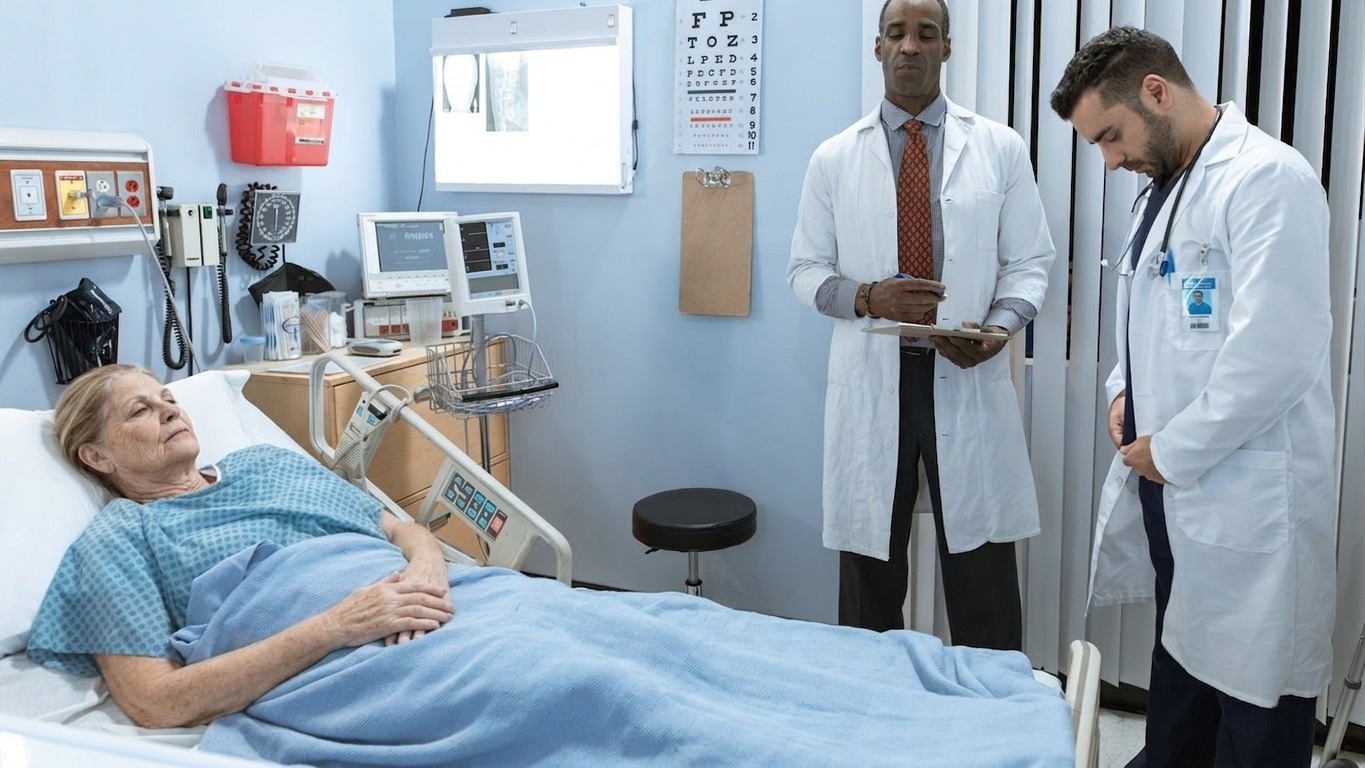
According to the U.S. Equal Employment Opportunity Commission’s lawsuit, a customer service representative at a Family Dollar store in Greenville, North Carolina, was off work on December 31, 2024, when she began experiencing vaginal bleeding, high blood pressure, leg swelling and back pain related to her pregnancy. Her doctor referred her to a high-risk clinic and told her to stay off work until an appointment three days later, meaning she would miss two scheduled shifts.
The EEOC says the store manager called her, insisted on a doctor’s note before the night was over despite it being a holiday, and fired her when she could not produce one on the spot, telling her, “[I’m] going to have to go ahead and let you go.” At her appointment on January 3, 2025, the employee learned she had miscarried. The defendant named in the case is Family Dollar Stores of North Carolina, LLC, a Matthews, North Carolina-headquartered operating entity of the chain.
Free retirement updates: Miss an enrollment or claim deadline and it may be gone. Our free Retirement Shield newsletter keeps readers ahead of the ones that matter. Get the free newsletter.
What the Pregnant Workers Fairness Act Actually Requires
The lawsuit cites the Pregnant Workers Fairness Act, a federal law that took effect in 2023 and requires employers with 15 or more employees to provide reasonable accommodations for limitations tied to pregnancy, childbirth or related medical conditions, unless doing so would create an undue hardship for the business. Under the law, an employer can ask for medical documentation to support a request in some circumstances, but the EEOC’s own guidance says that request has to be reasonable given the situation. The agency’s public explainer on the PWFA spells out what “reasonable” is meant to cover, including short-term leave for a medical appointment or a doctor-ordered restriction. The law also separately makes it illegal to fire a worker for requesting or needing an accommodation in the first place.
For a household living on an hourly paycheck, that distinction is the whole ballgame. A short, doctor-ordered absence is supposed to be something an employer works around, not a firing offense, precisely because Congress built the PWFA to stop that kind of income shock from landing on a worker in the middle of a medical crisis.
A Lawsuit Is Not a Verdict, and the Difference Matters
It’s worth being precise about where this case actually stands. The EEOC has filed a civil complaint, EEOC v. Family Dollar Stores of North Carolina, LLC, No. 4:26-cv-00156-FL, in the U.S. District Court for the Eastern District of North Carolina. Filing a lawsuit means the agency believes it has enough evidence to argue its case in court; it is not a finding that the company broke the law, and Family Dollar has not been convicted or held liable of anything. The EEOC’s release notes it filed suit only after first trying to reach a settlement through its administrative conciliation process, which did not resolve the matter.
“Firing a worker for requesting time off to address urgent pregnancy-related medical concerns is not only unlawful — it is indefensible,” acting EEOC General Counsel Catherine Eschbach said in the agency’s statement. Melinda C. Dugas, regional attorney for the EEOC’s Charlotte District, added that while the law does let employers seek documentation in some situations, “they may only do so when it is reasonable under the circumstances.” Both statements describe the agency’s position going into litigation, not a court’s finding. The case will now proceed through the federal court system, where Family Dollar will have the opportunity to respond and contest the allegations.
The Real Cost of a Denied Accommodation: A Paycheck and Benefits
Whatever a court eventually decides about liability, the case illustrates a real financial exposure for hourly workers with no cushion between one paycheck and the next. Losing a job over a medically necessary, doctor-documented absence doesn’t just end that week’s pay — it can also mean the sudden loss of employer health coverage during a pregnancy, the loss of paid time off accrued toward future medical needs, and a gap in work history that complicates unemployment insurance claims, since eligibility rules generally require the job loss to be through no fault of the worker. That is exactly the kind of dispute a PWFA claim is designed to resolve in a worker’s favor when the facts support it: not just reinstating a job, but recovering the wages and benefits that came with it.
What a Worker Can Do If Told to Prove It Overnight
Workers who believe they’ve been denied a legitimate pregnancy-related accommodation, or fired for requesting one, don’t have to resolve it with their employer alone. The EEOC accepts charges of discrimination from employees and, as this case shows, will investigate and can sue on a worker’s behalf when its own conciliation process fails. The agency’s pregnancy discrimination page outlines the protections that apply, and its charge-filing process is free to use and does not require a lawyer to start. There are deadlines that apply to filing a charge, so a worker who believes they’ve been pushed out over a pregnancy-related medical need should not wait to find out where they stand. In this case, the EEOC itself became the one pursuing the claim in federal court, exactly the kind of backstop the law was built to provide when a workplace dispute over a few days’ absence turns into a lost paycheck.
This article was produced with AI assistance and reviewed by a human editor. Figures are linked to their primary sources; where a claim could not be verified from the public record, we say so.
More Financial Reading