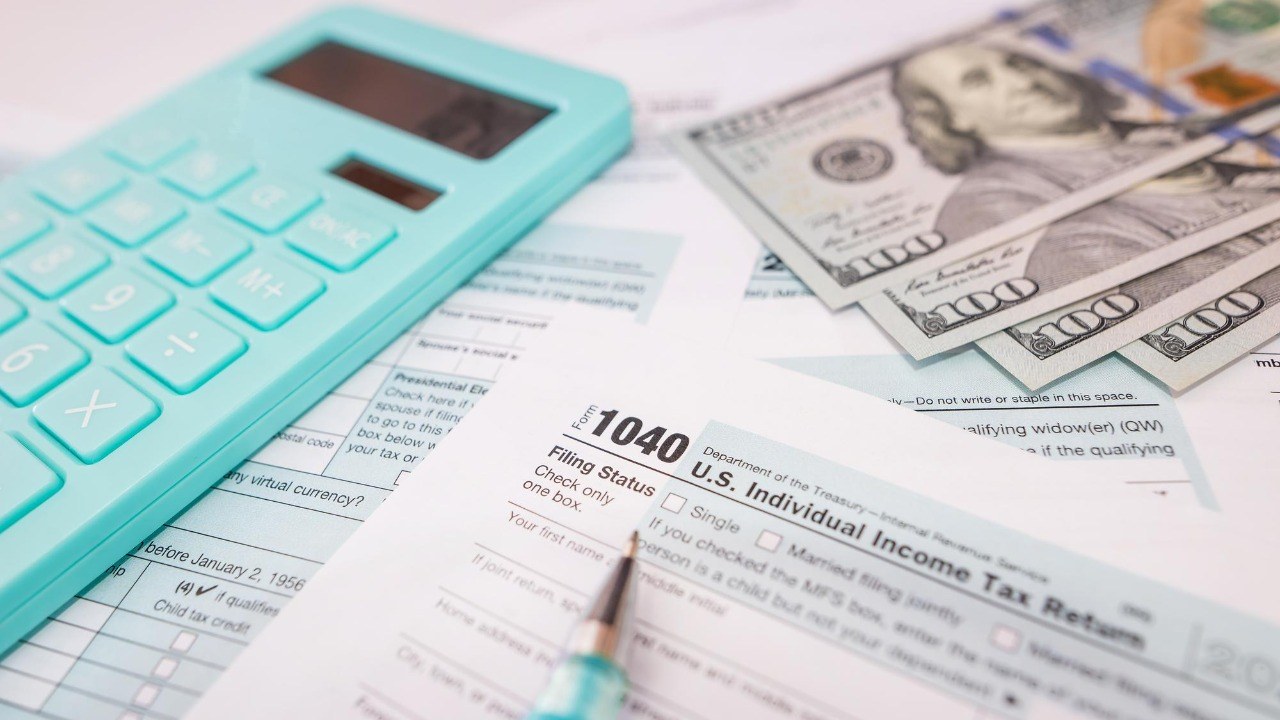
For someone receiving Social Security disability benefits and trying to return to work, one number decides whether a paycheck is safe and another decides whether it’s a threat to the whole benefit. Social Security’s 2026 update raised both: a non-blind worker who earns more than $1,690 in a month can be found capable of substantial work and lose eligibility, while the threshold for a statutorily blind worker is $2,830. A third, lower number, the $1,210 trial work period amount, governs a different stage of the same process and trips much earlier than either one.
Two Thresholds, One Program
Substantial Gainful Activity, or SGA, is the dollar line Social Security uses to decide whether a person’s work and earnings are substantial enough that they no longer count as disabled under the law. It’s central to two separate moments: whether someone qualifies for disability benefits in the first place, and whether an existing recipient who returns to work has earned enough to be found no longer disabled.
According to the Social Security Administration’s 2026 COLA fact sheet, the monthly SGA amount for 2026 is $1,690 for non-blind individuals with a qualifying disability, up from $1,620 in 2025, and $2,830 for statutorily blind individuals, up from $2,700. Both figures are set by separate formulas written into the Social Security Act and adjusted most years for wage growth, which is why they don’t move by the same dollar amount or land on the same schedule as the annual cost-of-living increase applied to benefit checks themselves.
Free retirement updates: Social Security and Medicare change every year, and nobody sends you a memo. Our free Retirement Shield newsletter breaks down what changed and what to do. Get it free in your inbox.
The Trial Work Period Is A Different, Lower Number
Before SGA can end an existing SSDI recipient’s benefits, a separate and lower earnings test comes into play: the Trial Work Period. Social Security’s Red Book update for 2026 confirms the TWP threshold is $1,210 a month this year, up from $1,160 in 2025. Earning at or above that amount, or working more than 80 hours in self-employment in a month, counts as one of nine “service months” a beneficiary is allowed within a rolling 60-month period. Crucially, a person keeps their full SSDI check during every one of those nine months no matter how much they actually earn — the TWP exists specifically so someone can test a return to work without immediately risking their benefit.
What Happens After The Trial Work Period Ends
Once the ninth trial work month is used up, a beneficiary enters the 36-month Extended Period of Eligibility, and this is where the higher SGA figures finally matter. During the EPE, Social Security’s own Ticket to Work guidance explains that a recipient keeps receiving benefits for any month their earnings stay below the SGA level for their category, non-blind or blind, as long as the underlying disabling impairment is still present. The first month earnings cross that SGA threshold during the EPE, Social Security determines the person’s disability has ceased due to work, but pays benefits for that month and two more afterward as a grace period before payments actually stop. Social Security will also consider whether other work incentives apply before making that call — for example, whether the cost of impairment-related items or services a person needs in order to work can be deducted from gross earnings when deciding whether the work actually clears the SGA line. If earnings drop back below SGA while still inside the 36-month window, benefits can restart without filing a new application, and a separate safety net called Expedited Reinstatement can restart benefits for up to five years after they otherwise ended, without a new application, if the same or a related impairment forces someone to stop working again.
SGA Also Decides Who Qualifies In The First Place
The same $1,690 figure isn’t limited to people already collecting a check. Social Security’s own SSI eligibility rules confirm that an adult applying for disability-based Supplemental Security Income must show they earned less than $1,690 from work in the month they apply, the identical non-blind SGA figure used on the SSDI side. On top of the earnings test, an adult must have a medically determinable impairment expected to last at least a year or result in death, and must also clear a separate limited-income and limited-resources test to qualify for the SSI portion of the benefit. That overlap means the number set every year in the COLA fact sheet effectively gates both entry into the disability system and continued eligibility once someone is already receiving benefits, for two different programs at once — a worker can be found too disabled to work under the medical rules and still be screened out by the earnings test alone if a part-time job pays too well.
Why The Blind Threshold Runs Higher
The gap between $1,690 and $2,830 isn’t arbitrary rounding; it comes from two different formulas written directly into the Social Security Act. According to SSA’s own Federal Register notice on the 2026 program amounts, the non-blind SGA amount is wage-indexed off a 2000 base amount of $700, while the blind SGA amount is wage-indexed off an earlier, larger 1994 base amount of $930 — different starting points that Congress built into the statute itself rather than a single shared formula. Because both figures still track the same national average wage index each year, the dollar gap between them widens slightly as wages rise, which is part of why the two numbers moved by different amounts again for 2026: the non-blind threshold rose $70 from 2025, while the blind threshold rose $130. For a worker who is statutorily blind, that higher ceiling means considerably more room to work and earn before Social Security considers the work itself evidence that a disability no longer limits their ability to hold a job.
This article was produced with AI assistance and reviewed by a human editor. Figures are linked to their primary sources; where a claim could not be verified from the public record, we say so.
More Financial Reading