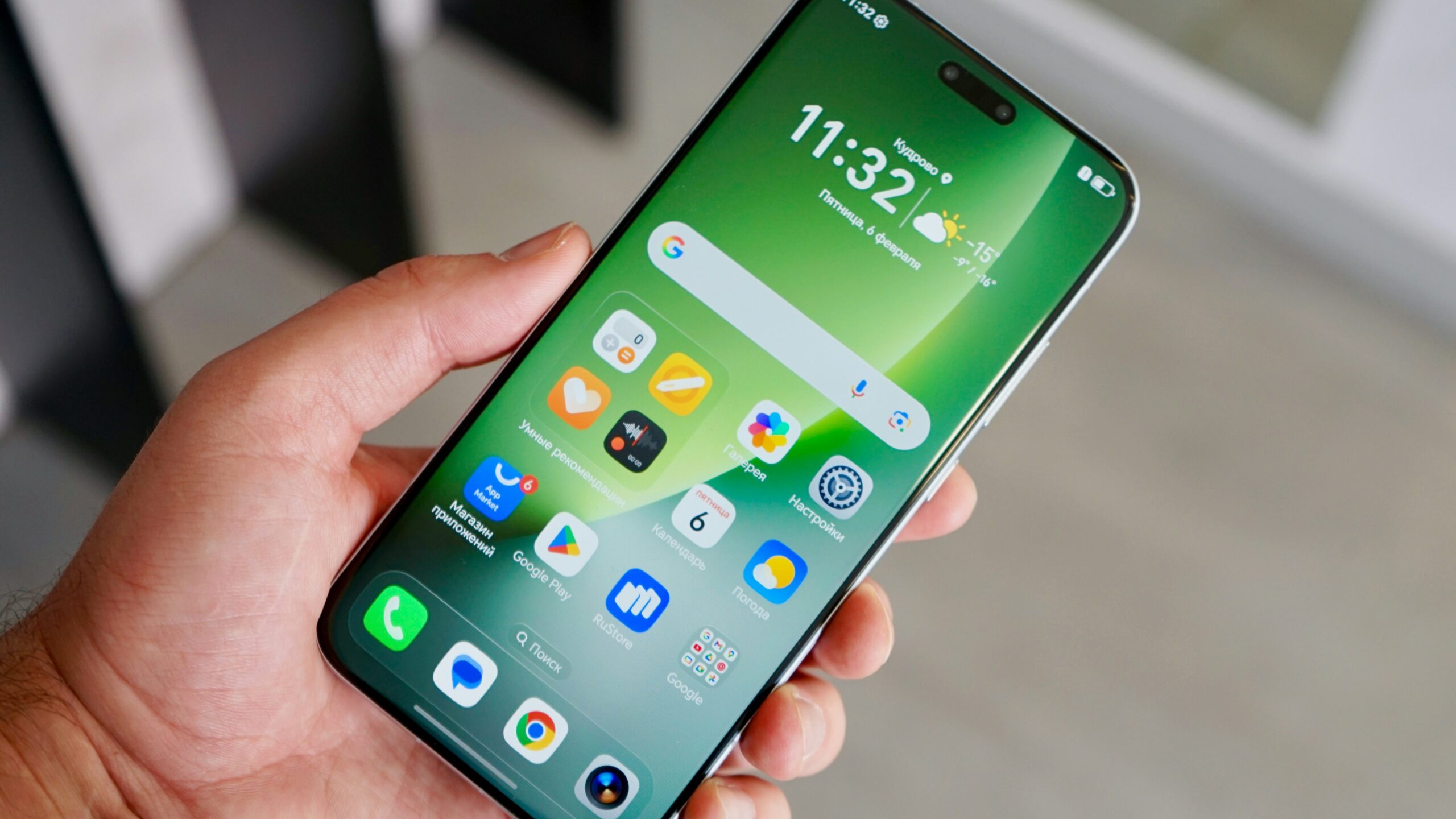
Google’s Play Store customers who spent money on apps and in-app purchases between August 2016 and September 2023 are starting to see money move back into their accounts. A federal judge signed off on the $700 million antitrust settlement earlier this month, clearing the final legal hurdle in a five-year fight over how Google ran its app store. For most eligible people, the payment is showing up without anyone filing a claim form.
A Federal Judge Signed Off On August 18
The case traces back to 2021, when a bipartisan coalition of state attorneys general sued Google, arguing the company illegally blocked rival app stores from being preloaded on Android phones, paid off developers who might have launched competitors, and forced app makers to route in-app purchases through Google Play Billing so it could collect processing fees as high as 30 percent. The states and Google reached a settlement in principle in 2023, but the deal still needed a judge’s sign-off before a dollar could move, and separate related cases brought by Epic Games and Match played out alongside it. That sign-off finally came on August 18, 2026, when the U.S. District Court for the Northern District of California granted final approval, ending the litigation and starting the payment process.
The Washington Attorney General’s Office, one of the states that pursued the case, confirmed the approval the same day, noting that most of the settlement fund will go directly to consumers who bought apps or in-app content through Google Play during the covered period, and that most of them will never need to fill out paperwork to get paid. Washington alone expects about 2.4 million eligible consumers to split roughly $13 million of the total fund.
Free retirement updates: Miss an enrollment or claim deadline and it may be gone. Our free Retirement Shield newsletter keeps readers ahead of the ones that matter. Get the free newsletter.
Who Qualifies, And Why Most People Won’t Need To Do Anything
Anyone who made a purchase on the Google Play Store, or paid for in-app content through Google Play Billing, between August 16, 2016, and September 30, 2023, while living in any U.S. state, the District of Columbia, Puerto Rico, or the U.S. Virgin Islands, is potentially covered. According to North Carolina’s Department of Justice, which helped lead the litigation, most eligible consumers will receive their share automatically through PayPal or Venmo, tied to whatever email address or phone number is linked to their Google Play account, with no claim form required. North Carolina’s own consumers are expected to split about $20 million of the fund, and several other states have published their own estimated shares as the payments have started moving.
What Happens If PayPal Or Venmo Isn’t An Option
Not every eligible consumer uses those two payment services, and the settlement accounts for that. Anyone without a PayPal or Venmo account, whose email or phone number no longer matches the one tied to their Google Play account, or who was expecting a payment that never arrived, can go through a separate supplemental claims process once the automatic round of payments finishes. The settlement website run by the court-appointed administrator lays out that fallback process and lets consumers submit their name, email, and phone number to be notified once it opens. Accepting a payment, whether automatic or through the supplemental process, closes out any right to sue Google separately over the claims covered by this case.
The $630 Million For Consumers And $70 Million For States
Of the $700 million total, Nebraska’s Attorney General’s Office has said $630 million is earmarked for consumer restitution, after administrative costs and legal fees are deducted, while the remaining $70 million goes to the states themselves as civil penalties rather than to individual consumers. That split means the actual amount landing in any one person’s account will vary depending on how much they spent on Google Play during the seven-year window and how the remaining fund is divided among everyone who qualifies. Consumers who would rather not use PayPal or Venmo also have the option of requesting a paper check or an ACH bank transfer instead, according to the same office, though that route can take longer than the automatic digital payment.
What Google Has To Change For The Next Five To Seven Years
The settlement isn’t only about refunds going out the door. For at least five years, Google has to let app developers offer payment systems other than Google Play Billing, tell customers about cheaper prices available outside Google’s own billing system, and stop signing contracts that make the Play Store the only app store preloaded on a phone. For at least seven years, Android users will be able to install apps from outside the Play Store without the discouraging warnings Google previously displayed on those downloads, and Google has to keep supporting automatic updates for competing app stores for four years. On top of the behavioral changes, Google must submit compliance reports to an independent monitor for at least five years, giving the states a way to check that the company is actually following through rather than quietly reverting once the payment checks clear.
For everyday Google Play customers, the practical takeaway is simple: if a Play Store charge from the 2016-to-2023 window sounds familiar, there’s a real chance a payment is either already on its way or will be soon, and it shouldn’t require signing up for anything or handing over new personal information to get it.
This article was produced with AI assistance and reviewed by a human editor. Figures are linked to their primary sources; where a claim could not be verified from the public record, we say so.
More Financial Reading