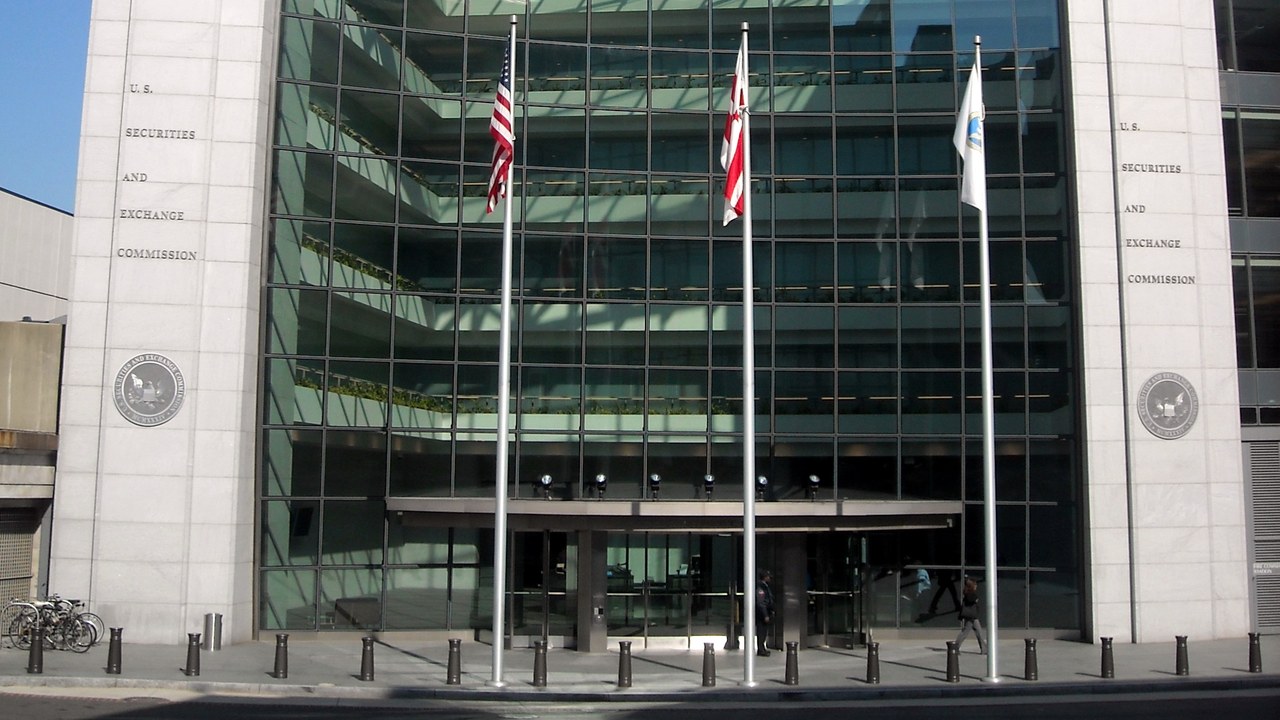
An investor searching for a financial adviser online has no easy way to spot a name built purely on paper. That gap is what the Securities and Exchange Commission says 38 entities exploited, filing paperwork with the agency designed to look like proof of legitimacy without a licensed adviser, a real office, or a working phone line behind it. The SEC’s complaints, filed August 27, 2026, do not allege that any of the 38 already took client money; they allege the entities built the appearance of registration first, the exact impression a background check is supposed to catch before money changes hands.
How 38 filings copied the same fake legitimacy
According to the SEC, each of the 38 entities filed a Form ADV representing itself as an exempt reporting adviser, the lighter-weight filing private-fund advisers use instead of full SEC registration. The agency alleges the filings followed a pattern rather than pure coincidence: business addresses in Colorado where the filer had no actual presence, phone numbers that were disconnected or belonged to unrelated companies, and ownership structures and numerical data that were identical or nearly identical across many of the 38 filings, as though built from a shared template.
The SEC also alleges that each entity claimed its private fund’s financial statements had been audited by one of two accounting firms, and that neither firm appears in any public registry of federal or state accountancy firms, meaning the audits themselves cannot be verified as real. Some entities were marketed on websites that, according to the SEC’s press release, displayed a fabricated certificate claiming SEC registration the entity never held. A number of the defendants reportedly used IP addresses traced to foreign jurisdictions to file with the Commission’s system, and the agency says none of them responded when SEC counsel asked for records to substantiate what was on the forms.
Free retirement updates: Want plain-English help keeping more of your money in retirement? The free Retirement Shield newsletter covers the benefits, deadlines, and money mistakes that cost retirees, a couple times a week. Subscribe free.
A civil complaint, not a finding of fraud
Nothing in this case has been proven in court. The SEC filed civil complaints against the 38 entities on August 27, 2026, in the U.S. District Court for the District of Colorado, charging violations of Sections 204(a) and 207 of the Investment Advisers Act of 1940, the provisions covering false statements in required filings. The agency is asking the court for permanent injunctions, a separate order barring the defendants from ever filing as exempt reporting advisers again, and civil penalties, but no judge has ruled on any of it and no penalty has been assessed against anyone named. The only step already taken is administrative: the SEC removed the 38 entities’ ERA filings from its own website, which pulls their listing but is not itself a legal finding against them.
The Federal Bureau of Investigation assisted through its Operation Level Up initiative, and the SEC’s Office of Investor Education and Assistance issued a public alert the same day describing the pattern. Several of the named entities carried crypto- or technology-branded names, and the SEC unit that brought the case is its Cyber and Emerging Technologies Unit, a signal of where the agency currently sees this kind of filing abuse concentrated. That focus does not extend the charges beyond the 38 entities actually named in the complaints.
What an exempt reporting adviser filing is — and isn’t
An exempt reporting adviser, or ERA, is an investment adviser that is not registered with the SEC but still has to report limited information on Form ADV, according to Investor.gov’s glossary entry on the term. An ERA can only advise private funds such as hedge funds, venture capital funds, and private equity funds, and a person investing in one of those funds typically has to qualify as an accredited investor or a qualified purchaser, a status defined by a minimum level of income, net worth, or professional standing. That distinction matters here: an ERA notice is a narrower disclosure than a full adviser registration, and the SEC does not independently verify every claim on intake, which is precisely the gap the alleged fake-address and fake-auditor pattern was built to exploit.
Checking a name against IAPD and BrokerCheck before sending money
The SEC’s own guidance on spotting a false registration claim, laid out in a separate investor alert on false SEC registration claims, points to two free lookups. The first is the Investment Adviser Public Disclosure database, run by the SEC, where searching a firm shows its Registration or Reporting Status tab and searching an individual shows the Qualifications section of that person’s report. The second is FINRA’s BrokerCheck, which covers anyone registered as a broker, including employment history, licensing, and any disciplinary actions or customer complaints already on file. Neither tool costs anything, and a state securities regulator offers a third, free check for anyone still uncertain about a name they were given.
Why an SEC filing was never supposed to be a stamp of approval
Even a legitimately registered adviser is not endorsed by the government for it. The SEC’s alert on false registration claims states that any reference to registration must not imply sponsorship, recommendation, approval, or acknowledgment of ability by the SEC or any government agency, because registration is a compliance requirement, not a seal of quality. The 38 cases announced August 27 show what happens when that distinction gets inverted: rather than describing a real registration honestly, the SEC alleges the entities manufactured the appearance of one, counting on the fact that most retail investors never open the underlying filing to check it themselves.
This article was produced with AI assistance and reviewed by a human editor. Figures are linked to their primary sources; where a claim could not be verified from the public record, we say so.
More Financial Reading