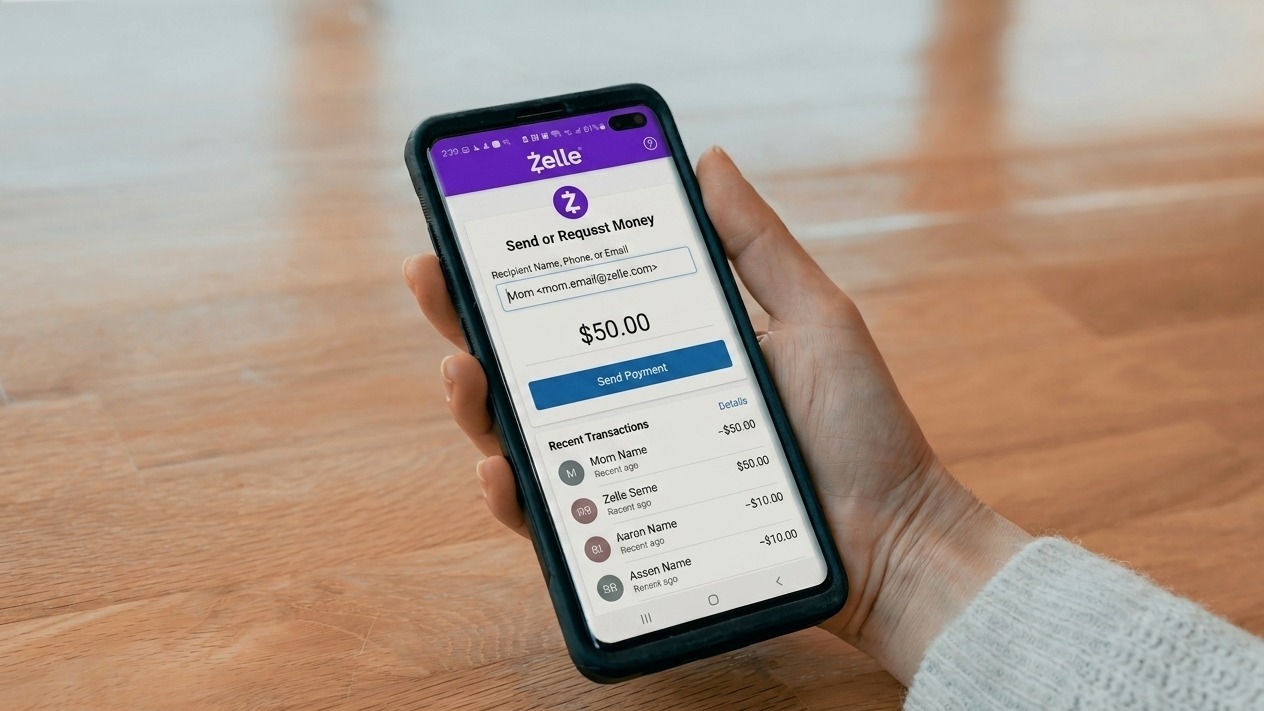
Peer-to-peer payment apps like Zelle and Venmo move money the way handing over cash does: fast and, in most cases, final. That is why people who are tricked into sending money to a scammer are often shocked to learn their bank will not simply reverse it the way it would a fraudulent credit-card charge. The distinction that decides whether you get your money back is a narrow but crucial one — whether the transfer was authorized or unauthorized — and knowing which category your loss falls into tells you exactly how hard you can push, and where.
Authorized vs. unauthorized: the line that decides your refund
Federal law treats these two situations very differently. If a criminal got into your account and moved money without your permission — a true unauthorized electronic fund transfer — you have real rights under the Electronic Fund Transfer Act and its Regulation E, and your bank generally must investigate and can hold you liable for only a limited amount if you report it promptly. But if a scammer talked you into sending the payment yourself, even under a lie, most banks classify that as an authorized transfer that you willingly initiated, and it usually is not covered.
The Consumer Financial Protection Bureau explains this split in its consumer fraud guidance, and it is the single most important thing to understand before you call your bank.
Free retirement updates: Want plain-English help keeping more of your money in retirement? The free Retirement Shield newsletter covers the benefits, deadlines, and money mistakes that cost retirees, a couple times a week. Subscribe free.
Why card fraud and app fraud aren’t the same
Credit cards carry strong federal protections and a well-oiled chargeback system: dispute a fraudulent charge and the card issuer typically removes it while it investigates, and your maximum liability for unauthorized card use is small. Bank-to-bank app transfers do not work that way. Once the money lands in the recipient’s account, there is often no built-in reversal button, and the funds may be withdrawn within minutes. That is why scammers push victims toward Zelle, Venmo, wires, and similar rails in the first place — the payment is designed to be quick and difficult to claw back. Treating a payment-app transfer with the same caution you would use for handing someone cash is the mindset that protects you best. It also helps to slow down: legitimate businesses and government offices do not insist that you pay by instant app transfer to a personal account, so a demand to do exactly that is often the scam itself. Many apps also let you confirm a recipient’s name before sending, and pausing to check it can stop a mistaken or fraudulent payment before the money moves.
How to fight a wrongful transfer, step by step
If money left your account without your say-so, act immediately. Contact your bank or credit union right away and report the transfer as unauthorized, then follow up in writing so there is a dated record. Under Regulation E, you generally must report the problem within 60 days of the statement showing it; the institution then has deadlines to investigate — typically 10 business days, extendable to as long as 45 days while it credits your account provisionally in many cases. Ask the bank to open a formal “notice of error,” get a claim or reference number, and keep copies of every message. Even when you authorized the payment yourself, it is still worth reporting: some banks and payment networks have their own reimbursement policies for specific imposter-scam scenarios, and asking costs nothing.
Report it — and where a complaint actually helps
Beyond your bank, report the loss to the Federal Trade Commission at ReportFraud.ftc.gov, which collects scam reports that feed law-enforcement action; its guidance on what to do if you were scammed walks through contacting the payment app, the bank, and the wire company fast. If your bank denies a claim you believe is a genuine unauthorized transfer, you can also file a complaint with the Consumer Financial Protection Bureau, which forwards it to the company and asks for a response. Speed is the theme running through all of it: the sooner you flag the transfer, the better the odds a bank can freeze or recover funds before they vanish. And going forward, turn on transaction alerts, never send money to someone you have not verified independently, and treat any urgent “send it now” demand as the warning sign it almost always is.
This article was produced with AI assistance and reviewed by a human editor. Figures are linked to their primary sources; where a claim could not be verified from the public record, we say so.
More Financial Reading