The nation’s largest anti-hunger program has shrunk fast. In roughly a year, the number of people receiving SNAP food benefits fell by about 5 million, a drop that came faster than federal officials had projected. Behind the decline is a new set of work rules that took effect after last year’s big tax-and-spending law, and the result is a smaller grocery cushion for millions of households.
From 42.4 million to 37 million in a year
The raw numbers tell the story. SNAP participation stood at about 42.4 million people at the end of the 2025 fiscal year and slid to roughly 37.0 million by April 2026, according to Agriculture Department data. That is a decline of about 5.3 million people, or close to 13%, in a single year. The pace surprised analysts because it outran the government’s own estimates of how quickly the rolls would fall. A drop of that size in twelve months is unusual for a program that tends to move gradually, and it signals that the policy changes reached far more people, far faster, than projections had assumed.
SNAP remains the country’s central food-assistance program, delivering monthly benefits on a card that works like debit at the grocery store. Its purpose, its eligibility basics, and how benefits are calculated are described on the USDA’s Supplemental Nutrition Assistance Program page.
Free retirement updates: Keep more of your Social Security and savings with plain-English updates on the changes, deadlines, and costly mistakes retirees miss. Subscribe free.
The One Big Beautiful Bill Act changed the rules
The driver is the One Big Beautiful Bill Act, signed July 4, 2025, which tightened SNAP’s work requirements. Many able-bodied adults must now document 80 hours a month of work, volunteering, or approved training to keep benefits past a short time limit. That works out to roughly 20 hours a week of qualifying activity, tracked and reported month after month. The law also swept in groups that used to be exempt: adults ages 55 to 64, and parents of children between 14 and 17, are now generally subject to the rules. Those two groups are large, and many in them had counted on SNAP precisely because their circumstances, whether age, a thin local job market, or caregiving, made steady work hours hard to guarantee. Alongside the hours themselves, the changes added more paperwork and reporting, which itself trips up people who are technically eligible but miss a form or a deadline.
Why paperwork, not just work, pushes people off
It would be a mistake to read the entire 5 million decline as people who simply refused to work. A share of the drop comes from the reporting machinery. When a program requires monthly proof of hours, eligible people fall off for missing a document, changing jobs, or losing track of a deadline, not because their situation changed. Older adults newly covered by the rules, and parents juggling teenagers and shift work, are exactly the groups most likely to stumble on the paperwork rather than the work itself. That distinction matters for any family trying to hold onto benefits: staying enrolled is now partly an administrative task.
How hard the drop hit varies by state
The decline is not spread evenly. State impact varies widely depending on how each state administers the program and how quickly it moved to enforce the new rules, with Arizona seeing one of the steepest drops in the country. That variation means a household’s experience depends heavily on where it lives, since the same federal law is being carried out at different speeds and with different systems from one state to the next. A family that keeps its benefits smoothly in one state might have found the same paperwork far harder to satisfy across a state line, where the online systems, notice letters, and verification steps work differently. It also means the national drop of roughly 5 million masks sharper local declines in the states that moved fastest.
What a lost benefit means at the checkout
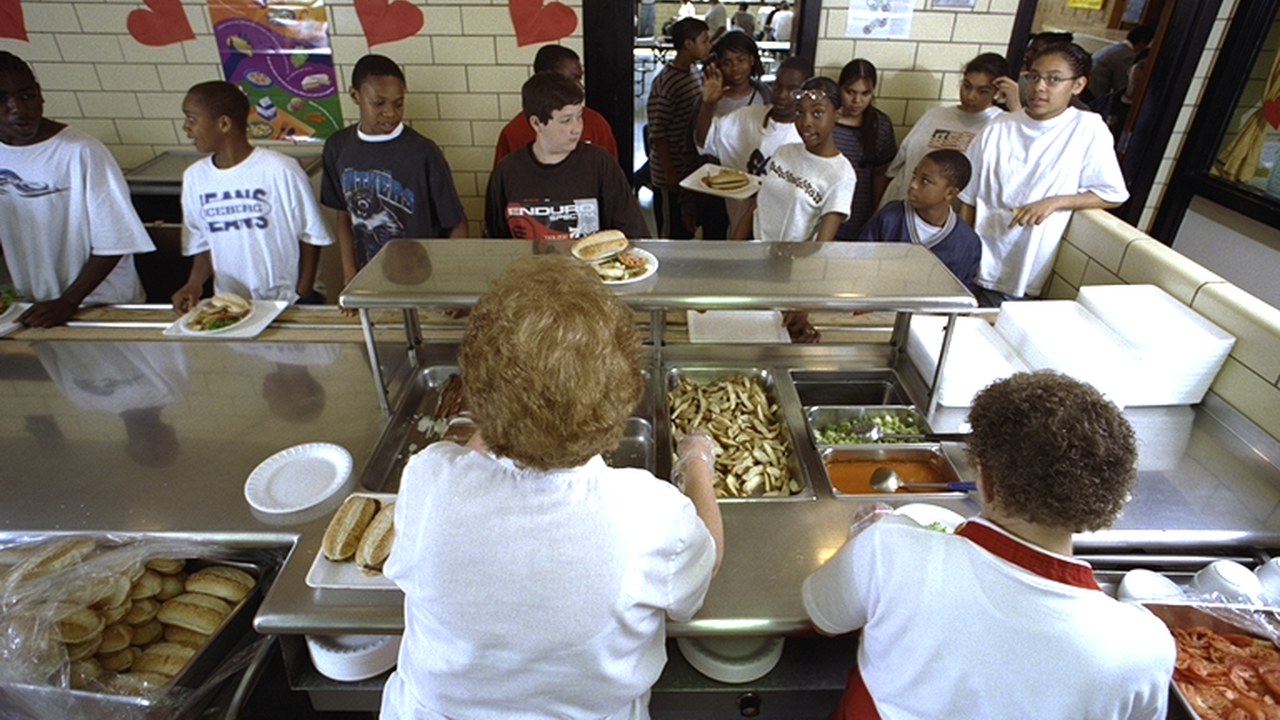
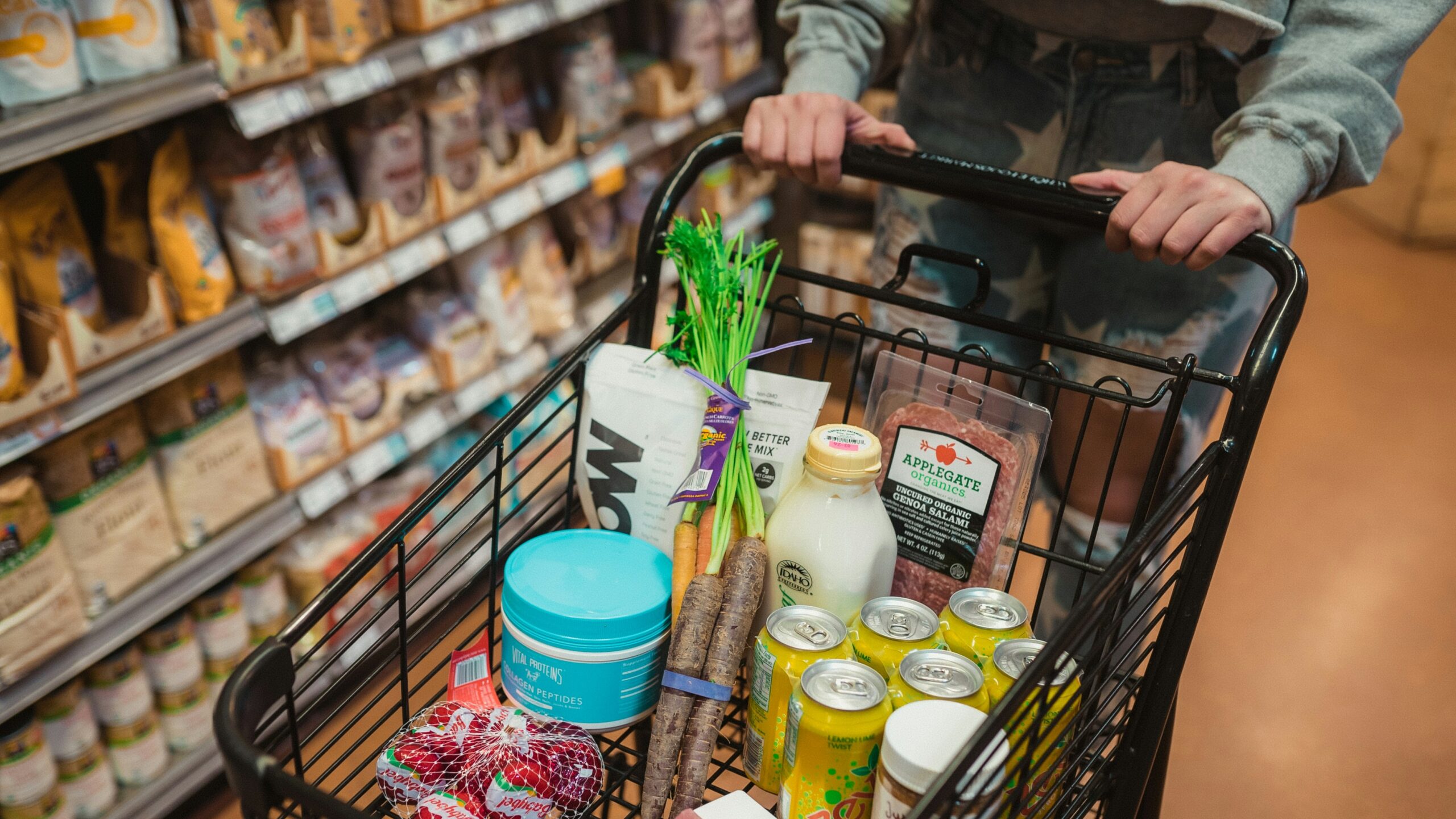
For a family that loses SNAP, the hit lands directly on the grocery budget, because the benefit is money that only buys food and cannot be shifted to rent or utilities. Replacing it out of pocket means finding those dollars somewhere else in an already tight month, often by cutting back at the store or leaning on food pantries. For a household that was using SNAP to stretch a low income across a month, the loss can arrive suddenly, in the form of a benefit that simply does not reload on the usual date. Households trying to keep their benefits face a different cost: the hours of qualifying activity plus the ongoing documentation needed to prove them, month after month, with the coverage riding on getting each report in on time. Anyone unsure whether they still qualify, or which exemptions might apply to them, can check the eligibility rules through a nonpartisan guide from the Center on Budget and Policy Priorities, and confirm state-specific details with their local SNAP office. The broader picture, including how the new requirements are playing out state by state, was reported by NPR, which noted the drop arrived faster than officials had expected.
This article was produced with AI assistance and reviewed by a human editor. Figures are linked to their primary sources; where a claim could not be verified from the public record, we say so.
More Financial Reading