For anyone whose income arrives without taxes already taken out, the IRS expects to be paid as you go, not just at filing time. That means a quarterly estimated tax payment, and the third-quarter deadline for 2026 lands on September 15. Freelancers, gig drivers, independent contractors, small-business owners, and retirees living on investment or retirement income all fall into this group, and missing the date can cost you a penalty even in a year when you are ultimately owed a refund.
Why withholding leaves these workers exposed
A regular employee has income tax withheld from every paycheck, so their tax gets paid throughout the year automatically. People who earn money without withholding do not get that automatic drip, so the tax system asks them to make the payments themselves in four installments. As the IRS explains in its estimated taxes guide, you generally need to make estimated payments if you expect to owe at least $1,000 in tax for the year after subtracting any withholding and refundable credits. That threshold catches a lot of gig and self-employed workers, because self-employment income also carries self-employment tax on top of income tax, which pushes the total owed up quickly. Retirees can land here too, since Social Security, pension, and retirement-account income may not have enough tax withheld to cover the bill.
The 2026 payment schedule runs in four parts, and the third installment, covering income earned over the summer, is the one due September 15.
Free retirement updates: Miss an enrollment or claim deadline and it may be gone. Our free Retirement Shield newsletter keeps readers ahead of the ones that matter. Get the free newsletter.
The penalty that catches people off guard
The part that surprises many first-time filers is that the underpayment penalty is not about whether you owe money in April. It is about whether you paid enough, on time, throughout the year. You can end the year with a refund and still owe a penalty because you did not pay in evenly across the quarters. The penalty is essentially interest on the amount you underpaid for the period you were short, and the rate is not trivial. That is why skipping or shorting the September installment can generate a charge even if your overall numbers work out at filing. Paying by the deadline is the simplest way to keep that avoidable cost off your return.
How much to send and how to figure it
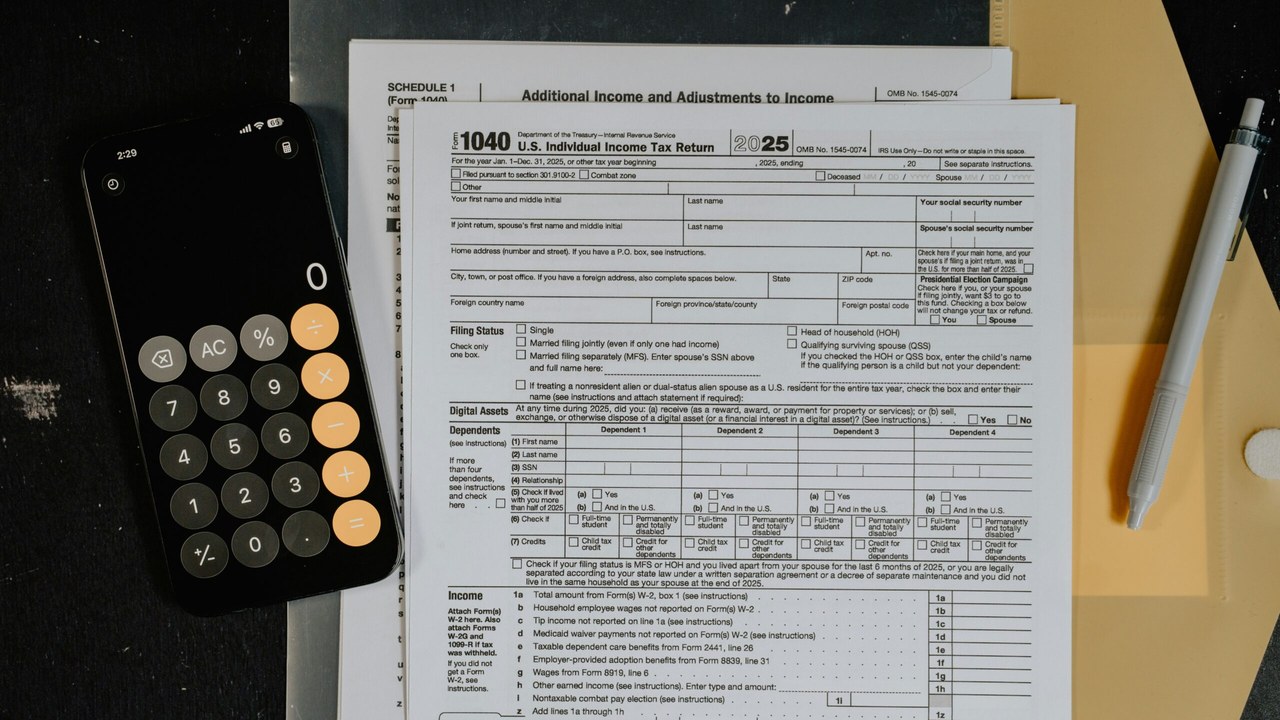
You do not have to predict your income perfectly to stay safe. The tax rules include a safe harbor: you generally avoid an underpayment penalty if your total payments for the year cover at least 90 percent of what you owe for 2026, or 100 percent of the tax shown on your 2025 return, whichever is smaller. That prior-year figure rises to 110 percent for higher earners. Basing your installments on last year’s tax is often the easiest route, because you already know that number, and dividing it into four gives you a target for each quarter. If your income jumped this year, leaning on the prior-year safe harbor protects you from a penalty even if you end up owing more at filing. The IRS worksheet in Form 1040-ES walks through the calculation if you want to estimate off this year’s actual income instead.
The fastest way to pay by September 15
Paying is quick and free if you do it electronically. IRS Direct Pay lets you send an estimated payment straight from a checking or savings account at no charge, and you get an instant confirmation to keep with your records. Make sure you designate the payment as a 2026 estimated tax payment so it is credited to the right year and quarter. If you prefer, you can also pay through your IRS online account or mail a check with a Form 1040-ES voucher, though a mailed payment must be postmarked by the deadline. Whatever method you choose, doing it by September 15 turns a potential penalty into a non-event, and keeps your fall from including a letter from the IRS.
A withholding trick that can rescue a missed quarter
If September 15 slips past you, or your income has been lumpy and your earlier payments fell short, there is a lesser-known fix worth knowing. The IRS treats income-tax withholding as if it were paid evenly across the year, no matter when in the year it was actually withheld. That means a retiree or a worker with some W-2 or pension income can ask the payer to withhold extra late in the year, and that withholding counts as though it had been paid in equal installments through all four quarters, which can wipe out or shrink an underpayment penalty a late estimated payment would not. For people drawing from an IRA or a pension, requesting additional withholding on a distribution is a common way to catch up. If your income is entirely self-employment with no withholding to lean on, then a prompt estimated payment through IRS Direct Pay remains the route. Either way, the worksheet and vouchers in Form 1040-ES walk you through calculating what you owe for each period so the number you send is grounded in the rules rather than a guess.
This article was produced with AI assistance and reviewed by a human editor. Figures are linked to their primary sources; where a claim could not be verified from the public record, we say so.
More Financial Reading