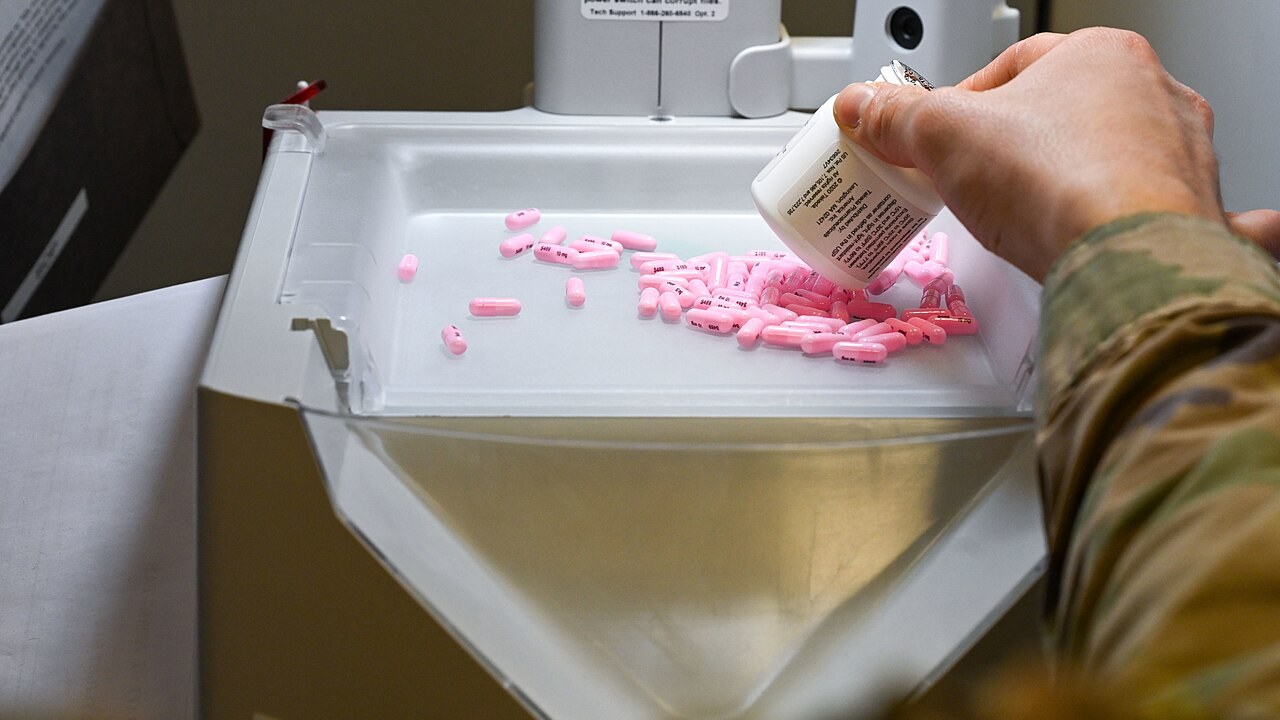
There is a Medicare program that can slash what a senior pays for prescription drugs, and Social Security estimates it is worth about $5,900 a year to those who qualify. It is called Extra Help, and despite that hefty value, many people who are eligible never sign up, often because they have never heard of it or assume they earn too much. For a retiree on a fixed income watching drug costs eat into the monthly budget, this is one of the most valuable benefits sitting unused.
What Extra Help pays for
Extra Help, formally the Medicare Part D Low-Income Subsidy, lowers or eliminates the costs tied to Medicare prescription drug coverage. According to the Social Security Administration, it can reduce or wipe out your Part D premium and deductible and cap what you pay at the pharmacy counter, and the agency estimates the benefit is worth roughly $5,900 a year. In practice that can mean paying little or nothing for a monthly drug plan and only a few dollars per prescription, instead of hundreds of dollars a month for someone taking several medications.
For anyone managing chronic conditions, where the pharmacy bill is often the largest and most relentless health cost, that kind of relief is transformative. It turns an unpredictable, budget-straining expense into a small, manageable one, and it can free up money that was going to medicine for rent, food, and other essentials.
Free retirement updates: Keep more of your Social Security and savings with plain-English updates on the changes, deadlines, and costly mistakes retirees miss. Subscribe free.
Who qualifies
Extra Help is for people with Medicare who have limited income and resources. The program uses income and asset limits that adjust each year, and importantly, the thresholds are higher than many people assume, so it is a mistake to rule yourself out without checking. Resources counted toward the limit generally include things like money in bank accounts and investments, but not your home or your car. Because the limits change annually and the rules about what counts can be confusing, the safest approach is to apply and let Social Security determine eligibility rather than guessing that you earn or own too much.
Many people who fall just outside the strictest limits still qualify for a partial subsidy, which is why applying is worth it even if you are not sure. The worst outcome of applying is a “no”; the cost of not applying can be thousands of dollars a year. It is also worth reapplying if your situation changes, because a drop in income or the death of a spouse can bring you under the limits even if you did not qualify before.
The programs that can enroll you automatically
There is a valuable connection worth knowing: qualifying for certain other assistance can get you Extra Help automatically. If you are enrolled in a Medicare Savings Program, which helps pay Medicare premiums for people with limited income, or in Medicaid or Supplemental Security Income, you are generally signed up for Extra Help without a separate application. That means one benefit can open the door to another. If you already have help paying your Part B premium through a state program, check whether your drug costs are being reduced too, because they may already qualify you.
This linkage cuts both ways as a prompt to act: applying for a Medicare Savings Program and applying for Extra Help are both worth doing, and each can pull the other along.
How to apply, for free
You can apply for Extra Help for free through Social Security, online, by phone, or in person, and you do not need to pay anyone to do it for you. Be wary of any service that charges a fee to “get you approved” for Extra Help; the application itself costs nothing. You will be asked about your income and resources, so it helps to have recent bank statements and information about any investments handy. Once approved, the savings apply to your Part D coverage, and Social Security will let you know the level of help you receive. If you already have a Part D plan, the subsidy attaches to it automatically, so you generally do not need to change drug plans to start saving.
If your income or resources change over time, your eligibility can change too, so it is worth revisiting if your circumstances shift, for better or worse.
The bottom line for seniors
Extra Help is real money, an estimated $5,900 a year in reduced drug costs, and it is one of the most underclaimed benefits in Medicare. Do not assume you make too much to qualify; the limits are more generous than people expect, and partial help is available too. Apply for free through Social Security, and if you already have a Medicare Savings Program, Medicaid, or SSI, check that your drug costs are being lowered as well. For a retiree stretching a fixed income across rising prescription prices, this is exactly the kind of help worth chasing down.
This article was produced with AI assistance and reviewed by a human editor. Figures are linked to their primary sources; where a claim could not be verified from the public record, we say so.
More Financial Reading