Being shorted on pay is more common than most people think, and getting it back does not require hiring a lawyer or filing a lawsuit. If an employer denied you overtime you earned, paid you under the minimum wage, or shaved hours off your check, you can file a free complaint with a government wage agency and have it investigate on your behalf. The process is confidential, costs nothing, and can recover the back wages you are owed. Too many workers assume the money is simply gone; often it is not.
Where to file, and what it costs
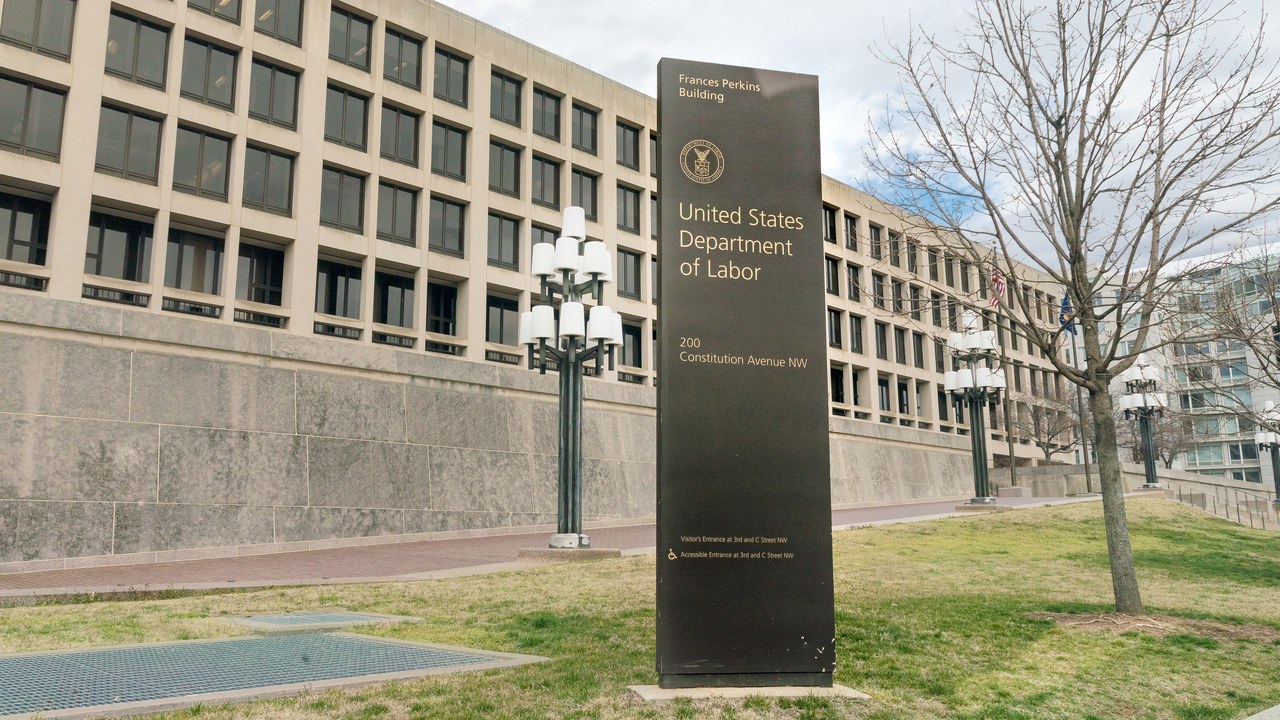
The federal option is the U.S. Department of Labor’s Wage and Hour Division, which enforces minimum wage and overtime rules under the Fair Labor Standards Act. According to the division’s guidance on filing a complaint, you do not need a lawyer, there is no fee, and the agency keeps your information confidential to the extent the law allows. Many states also have their own labor agencies that handle wage claims, sometimes with rules more generous than the federal ones. You can pursue the federal route, the state route, or start with whichever fits your situation.
When the agency finds that wages were withheld, it can recover the back pay you are owed, and in some cases additional damages. The core idea is that earned wages are your property; an employer holding them is not a favor you have to accept quietly.
Free retirement updates: Keep more of your Social Security and savings with plain-English updates on the changes, deadlines, and costly mistakes retirees miss. Subscribe free.
The overtime rule people miss most
The most common shortfall is unpaid overtime. Under federal law, most hourly workers must be paid one and a half times their regular rate for hours worked beyond 40 in a workweek. A few points trip workers up. Being paid a salary does not automatically make you exempt from overtime; exemption depends on your duties and pay level, not just the label. “Off the clock” work, such as prep before a shift, cleanup after, or answering messages from home, generally counts as hours worked. And an employer cannot dodge overtime by averaging two weeks together or by calling required work “voluntary.”
If your real weekly hours crossed 40 and you did not see time-and-a-half, that is exactly the kind of claim these agencies handle. Keeping even a rough log of your hours makes the case far easier to prove. Misclassification is another common trap: some employers label workers as independent contractors to avoid paying overtime, but whether you are truly a contractor depends on the nature of the work, not the title on your paperwork, and a genuine employee treated as a contractor may still be owed overtime.
Your rights hold regardless of status
Two protections are worth stating plainly because fear keeps people from filing. First, the right to be paid for your work generally applies regardless of your immigration status; the wage laws protect the worker, not a particular paperwork category. Second, it is illegal for an employer to retaliate against you for filing a wage complaint or cooperating with an investigation. Retaliation, being fired, demoted, cut in hours, or threatened for asserting your pay rights, is itself a violation you can report. These protections exist precisely because employers sometimes count on workers being too worried to speak up.
None of this means every dispute is clear-cut, but it does mean you are entitled to ask a neutral agency to look, without risking your job for doing so within the law.
How to build a strong claim
Gather what you have: pay stubs, a personal record of hours and dates, text messages or schedules showing when you worked, and the employer’s contact details. You do not need a perfect file, the agency can subpoena records the employer is required to keep, but your own notes help establish the pattern. Be ready to describe what happened simply: the weeks involved, the hours worked, and what you were and were not paid. Then submit the complaint through the Wage and Hour Division or your state labor agency.
There are deadlines. Federal wage claims generally must be brought within two years, or three years for a willful violation, so waiting can cost you part or all of the recovery. Some states allow a longer window under their own laws, which is another reason it can pay to check the state option as well as the federal one. Either way, filing sooner protects more of what you are owed, because the clock keeps running on each unpaid week.
The takeaway for shorted workers
If you suspect you were underpaid, do not write it off. A free, confidential complaint to a state labor agency or the federal Wage and Hour Division can recover overtime and minimum-wage shortfalls without a lawyer or a courtroom, your right to be paid holds regardless of immigration status, and retaliation for filing is illegal. Keep your own record of hours, act before the two- or three-year deadline, and let the agency do the collecting. The wage you already worked for is still yours to claim.
This article was produced with AI assistance and reviewed by a human editor. Figures are linked to their primary sources; where a claim could not be verified from the public record, we say so.
More Financial Reading