
The first year of a side hustle usually ends the same way: a bigger-than-expected tax bill in April, sometimes with a small penalty stapled to it. The money felt like pure profit all year because nobody was withholding taxes from it — and that’s the whole problem. When you drive, deliver, freelance, or sell on the side, the IRS still expects its cut as the money comes in, not in one lump the following spring.

The system for that is quarterly estimated payments, and it is far less complicated than it sounds. Here are the rules that actually matter: who has to pay, how much keeps you penalty-free, and the calendar you need to remember.
Why side income gets taxed as you go
The U.S. tax system is pay-as-you-earn. A W-2 job handles that automatically through withholding. Side income doesn’t, so the IRS fills the gap with estimated tax payments — four payments a year that you calculate and send yourself, typically using the worksheet in Form 1040-ES.
And it’s not just income tax. If your side work makes you self-employed — gig apps, freelancing, a small business — you also owe self-employment tax of 15.3% on your net earnings, which covers both the employee and employer halves of Social Security and Medicare. That kicks in once net self-employment earnings reach just $400 for the year. It’s the reason side-hustle tax bills surprise people: a moderate income-tax bracket plus 15.3% adds up fast.
The $1,000 rule: who can skip all this
Here’s the threshold that decides whether you need to bother. If you expect to owe less than $1,000 in tax for the year after subtracting your withholding and refundable credits, you generally don’t have to make estimated payments at all — you can simply settle up when you file. That rule comes straight from the IRS’s estimated-taxes page.
A small side gig on top of a day job with healthy withholding often stays under that line. A serious side business almost never does.
The safe harbor: how much is “enough”
You don’t have to nail your tax bill to the dollar. You just have to pay enough during the year to land in a safe harbor, and there are two ways in. You avoid an underpayment penalty if your withholding plus timely estimated payments cover the smaller of:
• 90% of this year’s tax, or
• 100% of last year’s tax — which rises to 110% if your adjusted gross income last year was over $150,000 ($75,000 if married filing separately).
The prior-year option is the one most people should love, because it turns guesswork into arithmetic. Pull the “total tax” line off last year’s return, divide by four, and pay that on schedule. Even if your side hustle explodes this year and you owe much more in April, you won’t owe a penalty. The full mechanics are in the Form 1040-ES instructions.
The 2026 payment calendar
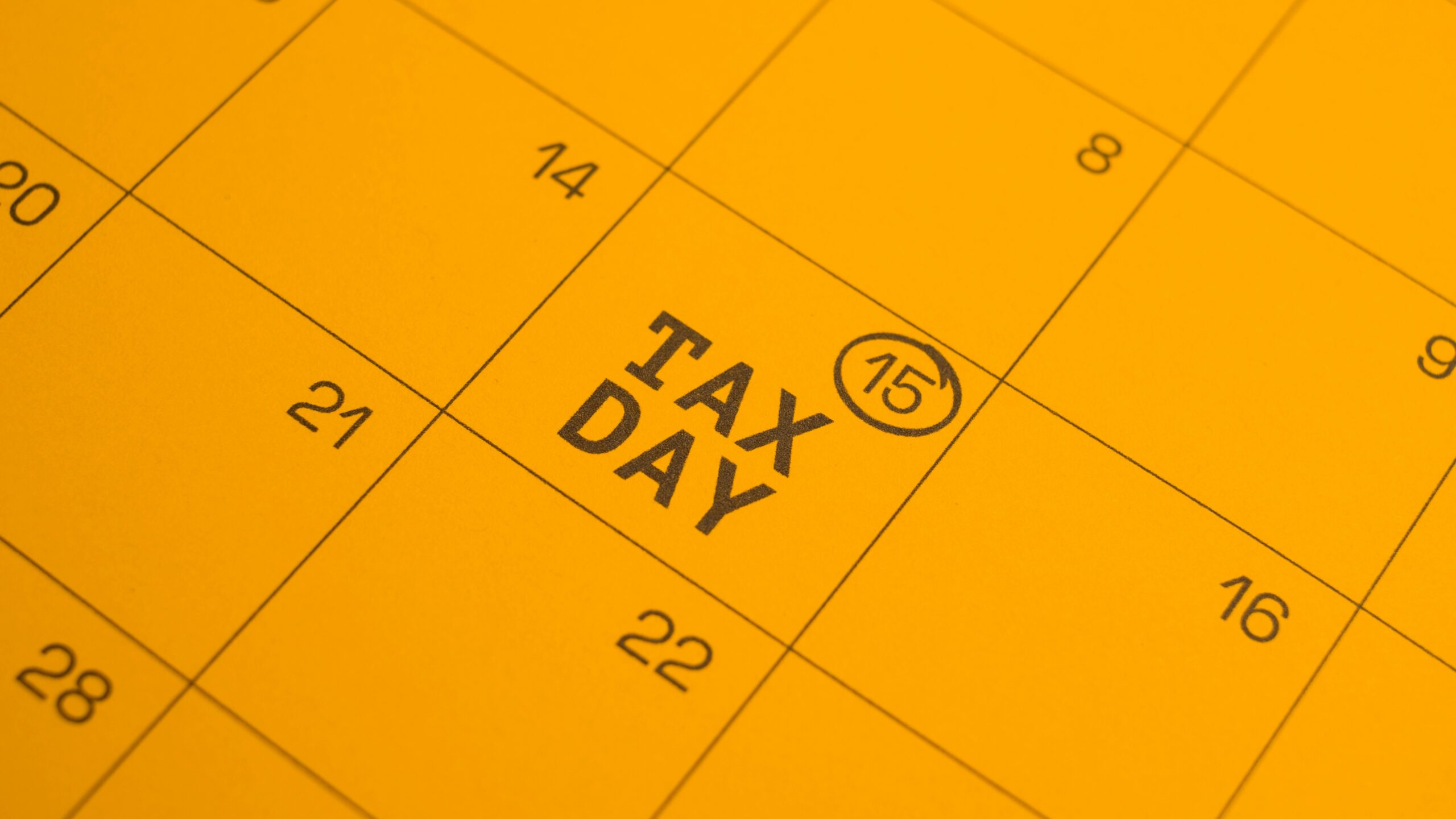
For the 2026 tax year, the four due dates are April 15, June 15, and September 15 of 2026, and January 15, 2027. Notice the spacing: they are not true quarters. The second payment lands only two months after the first, which catches new filers off guard every year.
Miss a date and the penalty isn’t a cliff — it works like interest on the amount you underpaid for the days it was late. Annoying, not catastrophic. But since avoiding it is as easy as a calendar reminder, set four of them.
How to actually send the money
Nobody mails vouchers anymore unless they want to. The easiest routes are through IRS.gov/payments: Direct Pay pulls straight from your bank account for free, and an IRS Online Account lets you schedule payments and see your payment history in one place — useful in April when you’re trying to remember what you already sent. Label each payment as an estimated payment for the correct tax year.
Keep your own log too. The single most common estimated-tax error at filing time is misremembering what you paid.
The W-2 shortcut most people miss
If you or your spouse also has a regular job, there’s a way to skip the quarterly ritual entirely: raise the withholding at the day job to cover the side income. Withholding is treated as if it were paid evenly through the year no matter when it actually comes out of your checks, which makes it a tidy way to fix an underpayment even late in the year. File a new W-4 with the employer, and use the IRS Tax Withholding Estimator to size the adjustment.
A simple system that works
Skim a fixed slice off every side-hustle payment — enough to cover self-employment tax plus your income-tax bracket — and park it in a separate savings account you never touch. When the quarterly date comes, the money is sitting there. Pair that with the prior-year safe harbor and the whole exercise takes twenty minutes, four times a year. That’s the entire trick: the tax on side income isn’t harder than a day job’s, it just isn’t automatic. You’re the payroll department now.
This article was produced with AI assistance and reviewed by a human editor. Figures are linked to their primary sources; where a claim could not be verified from the public record, we say so.