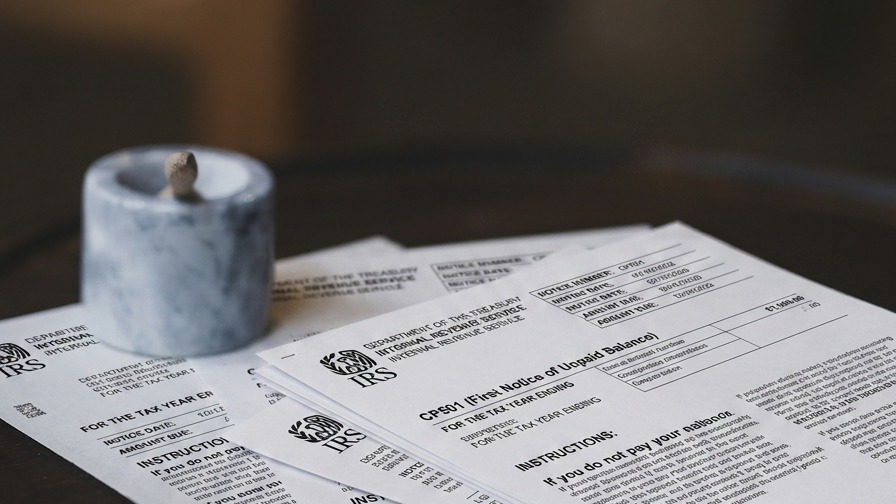
A change meant to move federal refunds away from paper checks created a new layer of tax-season friction. By April 27, the IRS had sent about four million notices for returns with missing or incorrect direct-deposit information, according to the National Taxpayer Advocate’s 2026 mid-year report. Some filers then faced confusing online waiver steps and delays of six weeks or more, turning a banking detail into a household cash-flow problem.
The four-million figure measures notices through April 27
The IRS-hosted mid-year report summary says the notices went to returns that lacked valid direct-deposit information or contained incorrect information. The count is tied to a completed part of the 2026 filing season and should not be described as the final full-year total.
The notices directed taxpayers to an online account to add or correct bank information, or to request a waiver for a paper check. The Advocate reported that many taxpayers lacked online accounts and that the notice omitted important waiver instructions. The executive order moving agencies toward electronic payments allowed limited exceptions when electronic methods were not feasible.
Free retirement updates: The money rules affecting ordinary households keep changing. The free Retirement Shield newsletter turns the important ones into plain-English next steps. Get the free email.
A real notice should be matched to the tax account before acting
Taxpayers should compare the notice number, tax year and return information with the IRS online account reached by typing IRS.gov directly. A letter that creates panic, demands gift cards or sends the recipient to a non-government web address is a scam. The IRS does not require a fee to correct refund banking details.
A bank account must generally be capable of accepting an ACH deposit and should be in the correct taxpayer’s name under the applicable rules. A closed account, mistyped routing number or prepaid product with deposit limits can reject a refund. The taxpayer should not guess at a digit from memory; a bank statement or financial institution can confirm the routing and account numbers.
People without bank accounts, taxpayers living overseas and others for whom direct deposit is impractical may need the waiver process. The Advocate said the notice did not clearly tell taxpayers that the 1040 telephone line could also handle waiver requests. Because phone service was strained, keeping dates, representative names and call notes can document attempts to comply.
Refund status tools show movement but cannot fix every hold
The Where’s My Refund tool can show whether a return was received, approved or sent. It does not replace a response to a direct-deposit notice and may not explain every processing freeze. The mid-year report says more than 14 million individual returns were suspended by processing filters and more than one million missed the IRS’s normal processing time.
Uploading a corrected bank detail or waiver request does not mean the refund appears immediately. Identity verification, return review and rejected-deposit procedures can add separate delays. Taxpayers should save confirmation numbers and avoid filing a second return solely because the first refund has not arrived; duplicate filings can create another processing problem.
A refund expected for rent, utilities or debt payments should not be counted until the deposit posts. The report’s six-week-or-longer delays show why an accepted return and an available refund are different events. Creditors and landlords may offer arrangements when contacted early, while expensive refund-advance products can consume part of the money the taxpayer is waiting to receive.
Correct banking details begin with the return itself
Before filing, the routing number, account number and account type should be checked twice against the bank’s records. A routing number used for wires may differ from the ACH number needed for a tax refund. Joint filers should confirm that the account title will accept a deposit in the names shown on the return.
Tax preparers should provide a copy of the filed return showing the direct-deposit election. Products that route a refund through a temporary bank account to deduct preparation fees can display banking information unfamiliar to the filer. Understanding that arrangement before signing reduces confusion if the IRS later asks about the deposit destination.
Splitting a refund among multiple accounts introduces more opportunities for a wrong digit or closed account. Form 8888 instructions and tax software control how allocations are entered. When simplicity matters more than distributing the money automatically, one verified account followed by household transfers can reduce the number of failure points.
A rejected deposit may be converted to another delivery method under IRS procedures, but the timing depends on why the payment failed and whether electronic details can be corrected. The taxpayer should not ask the bank to reopen an account solely on an assumption that the IRS will retry the same deposit. The IRS account and official notice provide the current instruction.
The National Taxpayer Advocate’s current report establishes both the scale and the period: roughly four million notices had been issued by April 27 over missing or incorrect direct-deposit details. The practical protection is to verify a notice through IRS.gov, respond through the official channel and preserve proof. Those steps cannot guarantee a fast refund, but they keep a correctable bank-data issue from becoming a second avoidable delay.
This article was produced with AI assistance and reviewed by a human editor. Figures are linked to their primary sources; where a claim could not be verified from the public record, we say so.
More Financial Reading