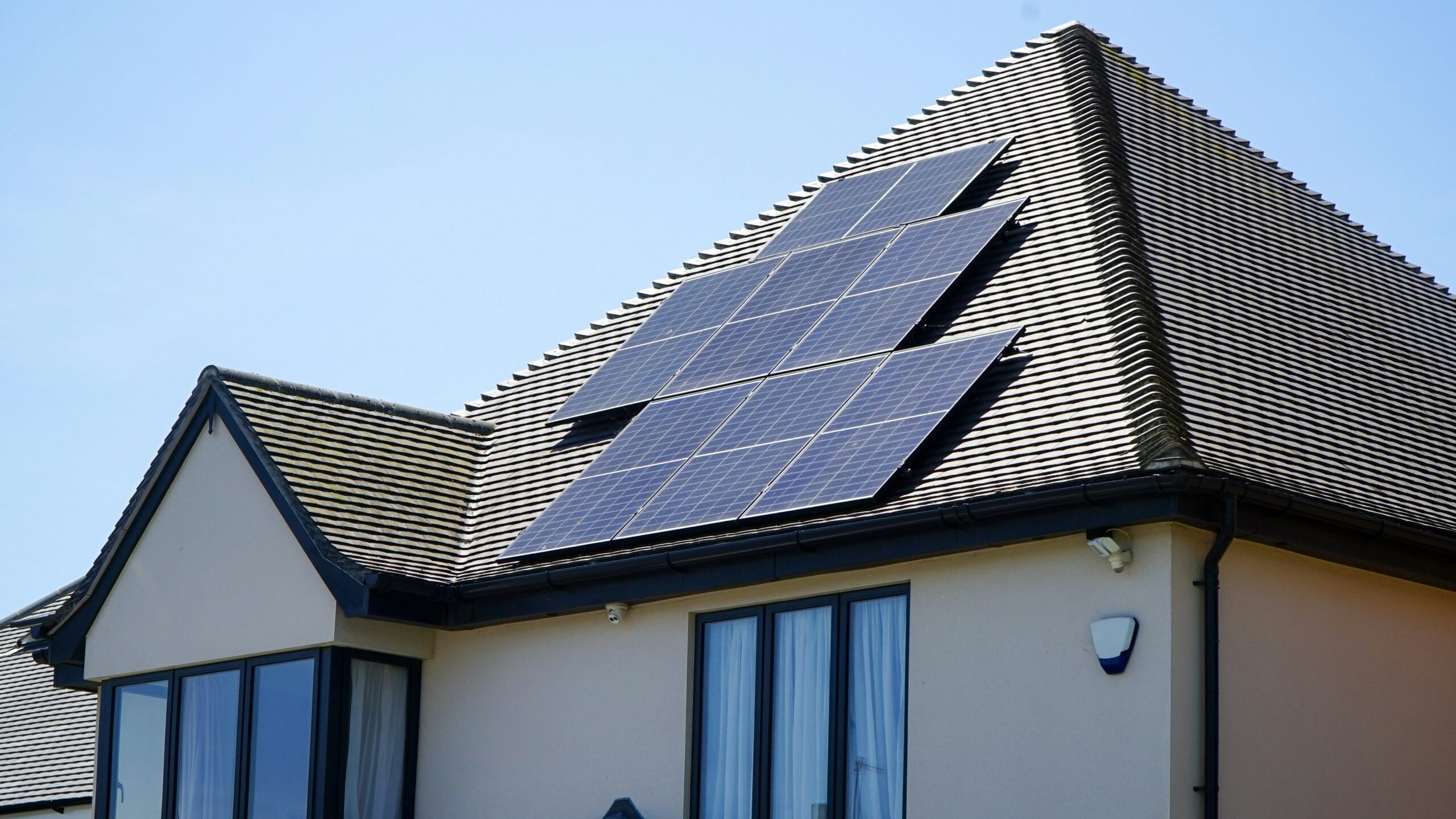
A homeowner buying replacement windows, a furnace or rooftop solar in 2026 cannot build the old federal household energy credits into the budget. The IRS now shows the Energy Efficient Home Improvement Credit and Residential Clean Energy Credit ending with property installed through 2025. State incentives, utility rebates and manufacturer discounts may still exist, but they do not revive the expired federal credits.
The IRS tables stop both household credits at 2025
The Energy Efficient Home Improvement Credit previously covered qualifying windows, exterior doors, insulation, furnaces, boilers, central air conditioners, heat pumps and home energy audits. The IRS page updated July 8 lists a 30% credit for qualifying expenses from 2023 through 2025, generally capped at $1,200 a year, with a separate $2,000 annual limit for heat pumps and certain biomass equipment.
The same page lists the Residential Clean Energy Credit at 30% for solar, wind, geothermal, solar water heating, fuel cells and battery storage installed from 2022 through 2025. No 2026 percentage appears in either schedule. For a project completed this year, a contractor’s proposal that still subtracts the former federal credit can understate the household’s real out-of-pocket cost.
Free retirement updates: Household bills rarely rise in isolation. The free Retirement Shield newsletter connects the changes that matter to working families and retirees. Read it free.
Installation date mattered more than the purchase date
Energy credits were claimed for the tax year in which qualifying property was placed in service, not merely ordered or paid for. A deposit made in 2025 did not preserve a federal credit if the windows or solar system were not installed until 2026. Conversely, qualifying equipment installed by the end of 2025 belongs on the 2025 return even if the taxpayer files that return in 2026.
That timing rule makes invoices, final payment records and installation certificates important. Taxpayers claiming a legitimate 2025 project should keep model information and any required manufacturer identification with the return records. The expiration does not erase a credit tied to an eligible earlier installation; it changes the economics of new work placed in service after 2025.
The two old credits had different limits and property rules
The improvement credit was built around annual caps. Many items shared the $1,200 general limit, while heat pumps and certain biomass equipment had the separate $2,000 cap. The IRS’s detailed improvement-credit guidance also imposed per-item limits and residence requirements. It was not a flat 30% reimbursement of every renovation bill.
The clean-energy credit generally had no annual dollar ceiling, but qualifying property and residence-use rules still controlled. The residential clean-energy page separated solar electricity, solar water heating, geothermal, wind, fuel cells and batteries from ordinary efficiency improvements. That history matters when reviewing a 2025 project, but neither structure supplies a credit for a new 2026 installation.
A rebate changes price, while a tax credit changes tax
Households should distinguish an instant utility or state rebate from a federal income-tax credit. A rebate may reduce the invoice, while a nonrefundable credit generally reduces federal income tax owed and cannot by itself create unlimited cash back. Financing advertisements sometimes combine the two or display a “net cost” that assumes every incentive applies.
A clean comparison starts with the full installed price, financing interest, expected maintenance and realistic energy savings. Any state or utility incentive should be confirmed with the administering program before signing. If a salesperson lists a federal credit for a 2026 installation, the buyer should request the exact IRS authority and compare it with the current federal page.
Old marketing material can now create a costly mismatch
Web pages, brochures and calculators written while the credits were active may still rank prominently in search results. A $20,000 solar quote advertised as $14,000 after a 30% federal credit would leave a $6,000 budget gap if the project is installed in 2026 and no other incentive fills it. The contract price and loan balance do not automatically shrink because marketing assumed an expired credit.
The IRS’s July 8 update is the controlling federal record for current planning: windows and furnaces appear only under the 2023–2025 improvement schedule, while residential solar appears only under the 2022–2025 clean-energy schedule. For work installed after that period, the safe household budget is the price without either former federal credit.
Homeowners with a 2025 installation can still preserve the older claim by keeping the final invoice, installation date and product documentation for the return. The expiration separates earlier eligible property from new 2026 work; it does not cancel a properly supported credit that arose before the cutoff.
This article was produced with AI assistance and reviewed by a human editor. Figures are linked to their primary sources; where a claim could not be verified from the public record, we say so.
More Financial Reading