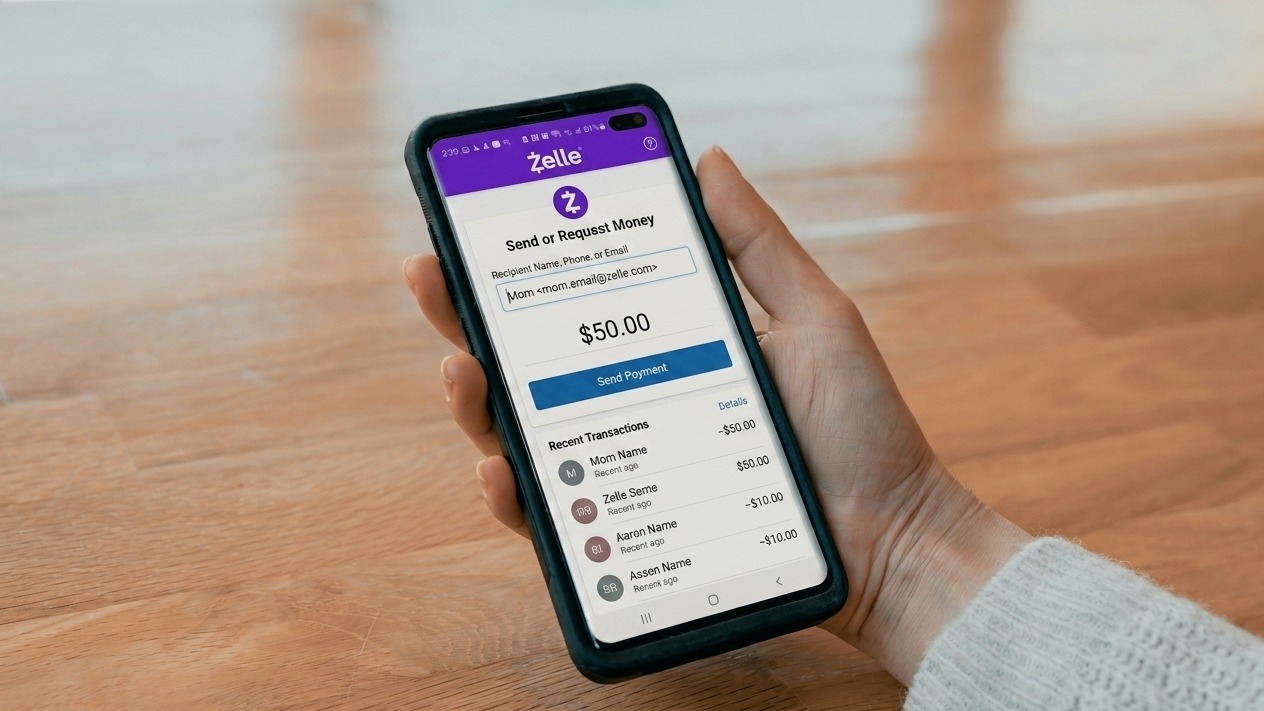
An uncashed refund check can leave legitimate settlement money stranded long after the original enforcement case. The Federal Trade Commission is now using Zelle to reach eligible Ring customers who did not cash a previous check or accept an earlier PayPal payment. The transfer is automatic for the identified group, not a new application opportunity for every person who owns a Ring camera.
The current payments retry two earlier refund rounds
The FTC first paid eligible customers in April 2024 and sent a second round in August 2025. Together, those rounds produced more than $5.4 million in refunds. The July 2026 update targets people whose earlier payments never completed.
The agency’s Ring refund page says the Zelle payment will be deposited directly into the recipient’s bank account with a settlement note. It does not instruct customers to submit a claim, supply credentials or pay a charge to activate the transfer.
Free retirement updates: Scams move fast, but their pressure tactics leave patterns. The free Retirement Shield newsletter explains the newest warnings and the practical tell to watch. Get the free newsletter.
No one must pay to release an FTC refund
A surprise bank deposit can be followed by a convincing impostor call. The caller may claim the transfer was incomplete, sent in error or subject to tax, then ask for money back through Zelle, cryptocurrency or gift cards. The FTC says it never requires payment to deliver a refund.
Recipients with questions should use the refund administrator’s number published by the agency, 1-833-637-4884, rather than contact information from a text. The FTC’s current refund-program index provides a central way to verify current distributions and identify the published administrator.
The underlying case concerned privacy and account security
The agency sued Ring over failures that it said gave employees excessive access to customer videos and left accounts vulnerable to online attack. The settlement required money for refunds, deletion of videos the company should not possess and a stronger privacy and security program. The current deposit is one remedy from that case, not compensation for every separate camera problem.
Households can use the event as a security prompt. Unique passwords, multifactor authentication, software updates and limits on who can view camera feeds reduce the chance that a compromised credential becomes access to a home’s most sensitive video. The FTC publishes home-camera security steps apart from the refund process.
A bank transaction record is stronger than an email
The recipient should verify the completed deposit inside the trusted banking app or website. Save the amount, date, settlement note and the current FTC page. Do not sign in through a link in an unexpected message, even if the sender uses the Ring or government logo.
If the Zelle destination is an old account or the payment does not appear, the published administrator is the place to ask. Sending an online-banking password, verification code or Social Security number by email is not part of the stated process. A legitimate administrator can explain the record without asking the recipient to transfer money first.
A recipient who closed the original account should not attempt to “correct” the destination through a link supplied in a text. Call the administrator from the FTC page and ask how an unsuccessful transfer is handled. The bank can confirm whether a deposit was rejected, but it cannot decide who belongs in the settlement cohort.
Zelle’s speed makes mistaken-return requests especially dangerous
A scammer may send a small unrelated payment, claim it was the FTC refund and pressure the account holder to return it to a different address. Sending a new transfer is not the same as reversing the original transaction and can leave the victim responsible when the first payment is later disputed. The safer route is to contact the bank through its official app or the number on the card.
The settlement note and amount should be compared with the recipient’s prior Ring refund notice. Do not post a screenshot publicly; it can reveal bank details and give impostors material for a more convincing follow-up. A private saved copy is enough for records.
The narrow recipient rule prevents an expired-claim trap
The page does not announce an open deadline or invite a new settlement filing. It says eligible customers who failed to complete an earlier check or PayPal payment are receiving Zelle deposits. Websites that turn this into “all Ring owners can claim money now” are changing the claim state.
The repeated delivery attempts also explain why an old customer may be contacted now without creating a new eligible class. The 2024 and 2025 rounds came first; July 2026 is a recovery method for payments that remained incomplete. That sequence should appear in any legitimate explanation.
The FTC’s July update supports the present-tense payment language and the more than $5.4 million already returned. For an eligible prior recipient, the household action is to confirm the bank deposit and keep the record. For everyone else, the useful protection is recognizing that a real government refund never begins with an instruction to send money.
This article was produced with AI assistance and reviewed by a human editor. Figures are linked to their primary sources; where a claim could not be verified from the public record, we say so.
More Financial Reading