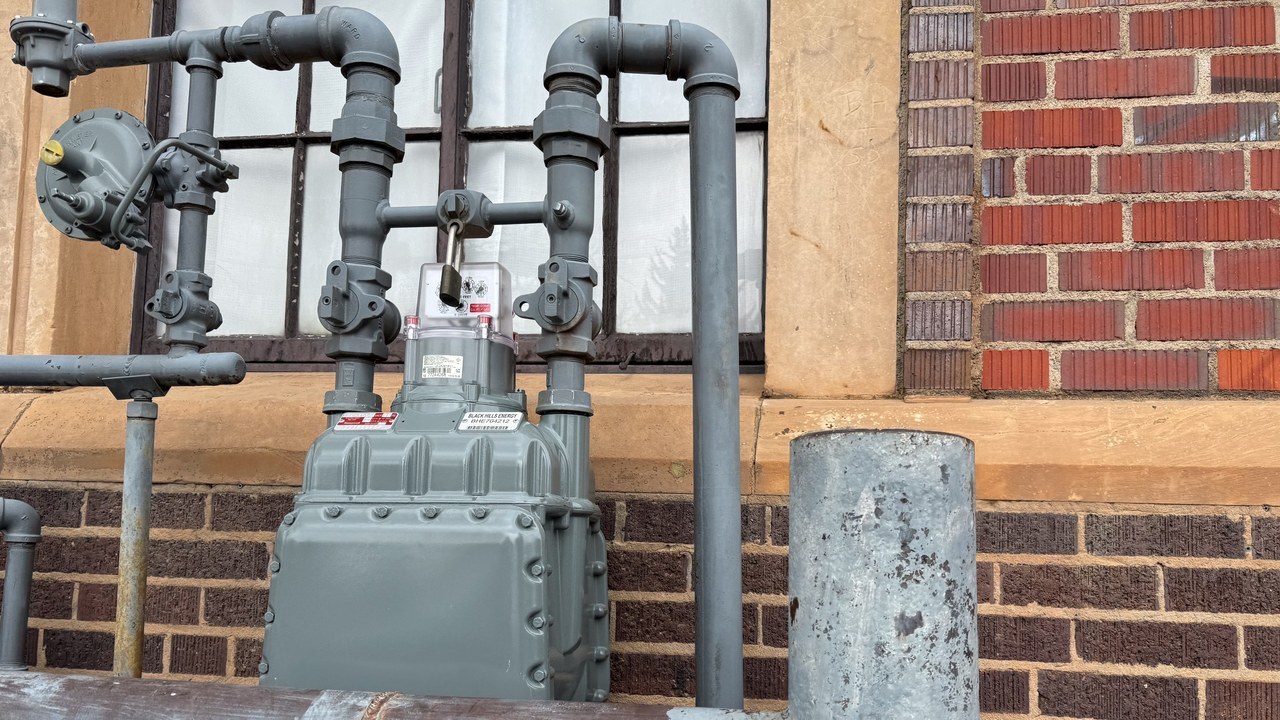
Indiana electric and natural gas utilities cannot disconnect households that have applied for energy assistance and given the utility written proof, from Dec. 1 through March 15. The state’s Energy Assistance Program, known as EAP, has been taking applications since Oct. 1 and closes April 30, 2027. Anyone who wants the winter shutoff ban has to apply first, because only EAP status qualifies a customer for it.
The ban starts in about four weeks, so the order of steps matters. A household that waits until December to apply may find a shutoff notice already in the mailbox. Applying now, and telling the utility, puts the paperwork in place before the moratorium begins.
Who the Dec. 1 to March 15 ban protects
The Indiana Office of Utility Consumer Counselor says the moratorium covers customers who receive help from the federally funded Energy Assistance Program, or who qualify for it, have formally applied at a local EAP intake office and have given the utility written proof. The office’s winter disconnection FAQ says it applies to investor-owned utilities, municipal utilities and rural electric membership cooperatives.
Anyone who heats with gas or electricity and is behind on a bill should do two things this month: file an EAP application, and send the utility the proof that the application was filed. Indiana law leaves other factors, such as small children in the home or cold temperatures, to the utility’s discretion. The state code covers a household that is eligible for and has applied for the heating assistance program, according to the text of Indiana Code 8-1-2-121.
Retirement deadlines, in your inbox: Miss an enrollment or claim deadline and the money can be gone. Join the Retirement Money Brief and we’ll send you our 2026 Government Check Reality Tracker as a welcome gift.
Get the Brief + the check tracker →
We may earn a commission from links on this page.
How to apply for energy assistance before Dec. 1
The Indiana Housing and Community Development Authority runs EAP. Its energy assistance page says applications opened Oct. 1, 2026, at 8 a.m. and the last day to apply is April 30, 2027, at 5 p.m. Eastern. Households can apply online through the LITT portal, by mail or in person at a local service provider.
The authority says households at or below 60% of state median income may qualify, based on the most recent three months of income. The monthly limit is $2,796 for a one-person household and $5,377 for a family of four. Applicants should bring proof of income, current utility bills or account statements, and a lease or tenant verification statement if utilities are included in the rent.
EAP is a one-time annual benefit paid directly to the utility for heating and electric costs. It does not cover every dollar owed. The authority says benefits depend on federal funding and are not meant to pay all heating and electric costs.
To find the right intake office, the Office of Utility Consumer Counselor lists the authority’s number at 1-800-872-0371. Dialing 211 connects callers to utility bill help in every Indiana county. For general EAP questions or appeal help, the authority lists 317-232-7777 and [email protected].
Why the paperwork can run behind the calendar
Processing is slow, and that is why timing matters. The authority says local providers can take up to 55 days to decide eligibility, and the utility may take about 30 more days to apply an approved benefit. Direct-pay benefits can take up to 120 days.
The authority says a household facing a disconnection notice is treated as a crisis and should get a mitigating action within 48 hours, or 18 hours when the situation is life-threatening. A household in that spot should say so when it calls the intake office. Anyone denied has 30 days to appeal, to the local provider or through the portal.
A medical issue can buy a little time. The Office of Utility Consumer Counselor says a utility must postpone a disconnection for 10 days when the customer provides a medical statement from a licensed doctor or a public health official. That is a short pause, not a protection that lasts the winter.
What the moratorium does not cover
The moratorium does not forgive any bill. The consumer counselor’s office says customers are still responsible for paying, and customers who cannot pay in full should contact the utility right away to set up payment arrangements. Honoring an arrangement lowers the chance of a disconnection in spring, and the office encourages partial payments as a good-faith effort.
It also leaves some services out. Propane and other bulk fuel providers are not covered, and neither are water, sewage disposal and telecommunications providers. Utilities may still disconnect in emergencies, when fraudulent use of service or meter tampering is found, or when the customer asks for it, according to the same office and the state code.
The state code also requires utilities to offer delinquent residential customers a reasonable payment agreement that gives the customer adequate opportunity to apply for public assistance. A customer can ask for changes if finances shift. Households with no EAP application on file by Dec. 1 have no moratorium to lean on.
Applied for Indiana energy assistance yet?
A household that is behind on a gas or electric bill and has no EAP application and written proof on file when Dec. 1 arrives has no winter shutoff ban to rely on, and processing can take weeks.
The Senior Property Tax & Home-Cost Relief Kit is a 64-page guide for older homeowners that lays out heating, cooling and home-repair help, with a section on utilities and home costs. It also includes an application log and renewal calendar for keeping track of each filing date and follow-up.
Get the energy assistance application log and renewal calendar kit for the Dec. 1 shutoff ban →
This article was produced with AI assistance and edited for accuracy against the sources linked above.