A $16 billion saving since fiscal 2024 is the headline figure in Social Security’s latest accounting, and part of the agency’s collection work involves taking delinquent debt out of federal payments. The agency reports it returned $645 million in delinquent debt to the Social Security trust funds since it resumed that collection authority in March 2025. Both figures come from Social Security itself, in a release dated Oct. 23.
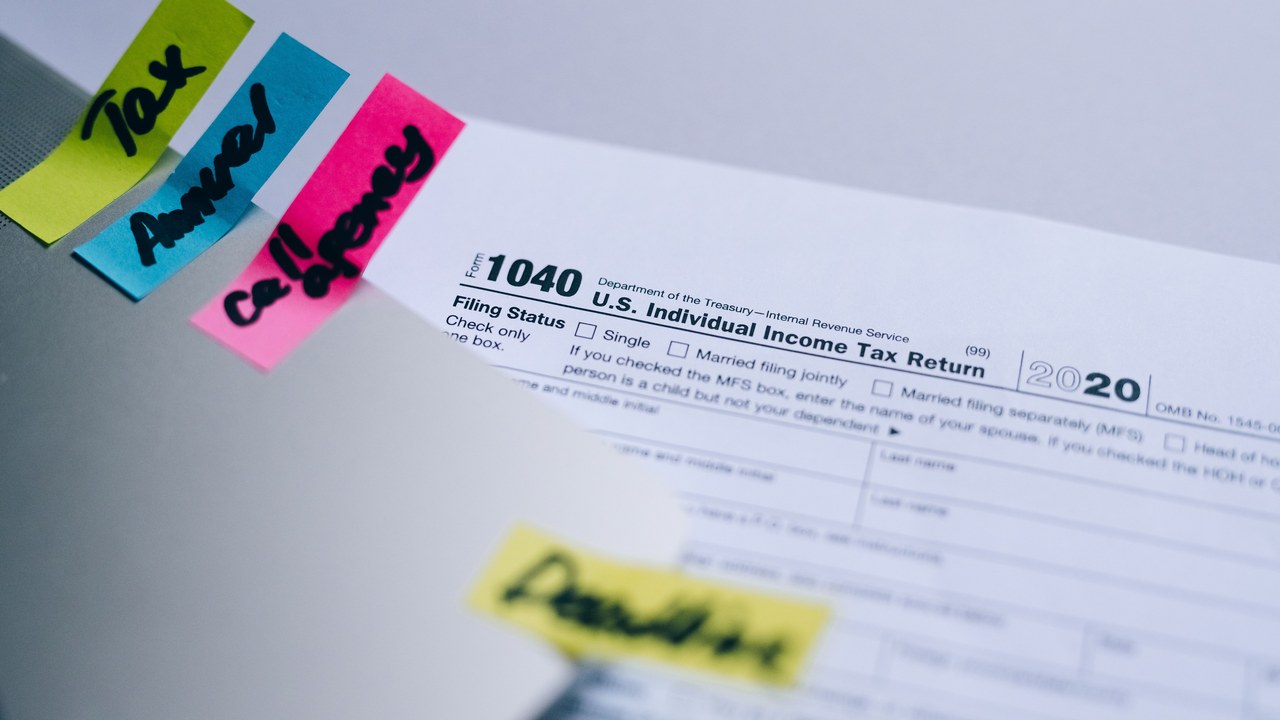
The collection runs through the Treasury Offset Program, which can hold back a person’s tax refund or other federal payment to cover what is owed. For anyone who owes Social Security money, the program is the step that can make a payment arrive smaller than expected. The question for anyone with an old Social Security debt is whether it has been sent to the program, and what the notice says.
Stay ahead of Social Security overpayment news: Miss an enrollment or claim deadline and the money can be gone. Join the Retirement Money Brief and we’ll send you our Social Security Overpayment Response Checklist as a welcome gift.
Get the Brief + the overpayment checklist →
We may earn a commission from links on this page.
What Social Security reports
The agency’s announcement, titled “Digital-First Strategy Produces Best Performance in Agency History,” reports the $16 billion alongside its service results. Commissioner Frank Bisignano said the strategy is “driving transformational improvements and historic results.”
The $16 billion is the agency’s own tally of savings since fiscal 2024, which began in October 2023. It is not an audited finding, and the release does not break the total into pieces. The $645 million is a separate number: the amount of delinquent “programmatic” debt Social Security says it returned to the trust funds through offset since March 2025.
The release does not say how many people were affected, how much came from tax refunds and how much from benefit payments, or how the $645 million relates to the $16 billion. It also does not explain how the program works. That explanation comes from Treasury.
How the Treasury Offset Program takes the money
Treasury’s explanation of how the program works starts with a deadline. Agencies must send a debt to the program once it is 120 days overdue, after confirming the debt is valid and legally enforceable.
Before a federal payment goes out, Treasury checks the payee’s name and taxpayer identification number, usually a Social Security number, against the program’s database. If both match and the payment is a type that can be offset, the offset happens. Treasury gives tax refunds and Social Security benefit payments as examples of payments that may be offset. Some payments are exempt, and Treasury points to a payment exemption chart for the list.
The money goes to the agency the debt is owed to. Any remainder of a partly offset payment goes to the payee, and a letter explains why the payment was smaller than expected or that all of it went to the debt.
Those service results include 571 million online transactions in fiscal 2026 and more than 105 million registered my Social Security accounts, the agency says. The release lists the collection figure among the same achievements, so the $645 million sits in a document about speed and efficiency, not one about what individual debtors were told.
Could a tax refund or payment be taken for an old debt?
It could, if the debt has been sent to the program. People who owe Social Security money, whether from an overpayment or another debt, should look for a notice before it happens. Treasury says the agency owed the money must send a letter at least 60 days before referring a debt for offset.
That letter must state the type and amount of the debt, say the agency intends to refer it, and explain the person’s rights. Those rights include the chance to pay, to set up a payment agreement or to dispute that the money is owed. The letter is where a dispute starts, since Treasury’s page points debtors to it rather than describing the process itself.
Who to call when a payment comes up short
A debtor stays in the program until the agency that referred the debt tells Treasury to stop. Treasury lists the reasons as a paid debt, a bankruptcy stay or collection otherwise paused. People who think a debt is not theirs or has been paid should answer the notice in writing and keep copies.
The Treasury Offset Program has its own phone line, 800-304-3107, and 800-877-8339 for callers with hearing loss. Treasury’s page does not describe the limits on how much of a Social Security benefit can be offset. Those depend on the type of debt and are covered in a separate Treasury fact sheet. Questions about the debt itself belong with Social Security, which lists ways to reach it on its contact page.
The open question for anyone who received a letter is how much time is left. A notice that has already passed its 60 days means the debt may already be in the program, and the next place it will show up is a smaller check.
Letter saying you owe Social Security money?
A notice about money owed to Social Security carries a clock, and a refund or payment that arrives short can be the first sign it ran out. Waiting on a letter to sort itself out is how a debt reaches offset.
The Social Security Check Protection Kit is a 75-page guide that includes the three SSA forms that stop or pause collection (SSA-561, SSA-632, SSA-634) and an overpayment response worksheet. The forms are the ones Social Security itself uses when a debt is disputed or its repayment is changed.
Get the overpayment response worksheet and collection-stopping forms from the Check Protection Kit →
This article was produced with AI assistance and edited for accuracy against the sources linked above.