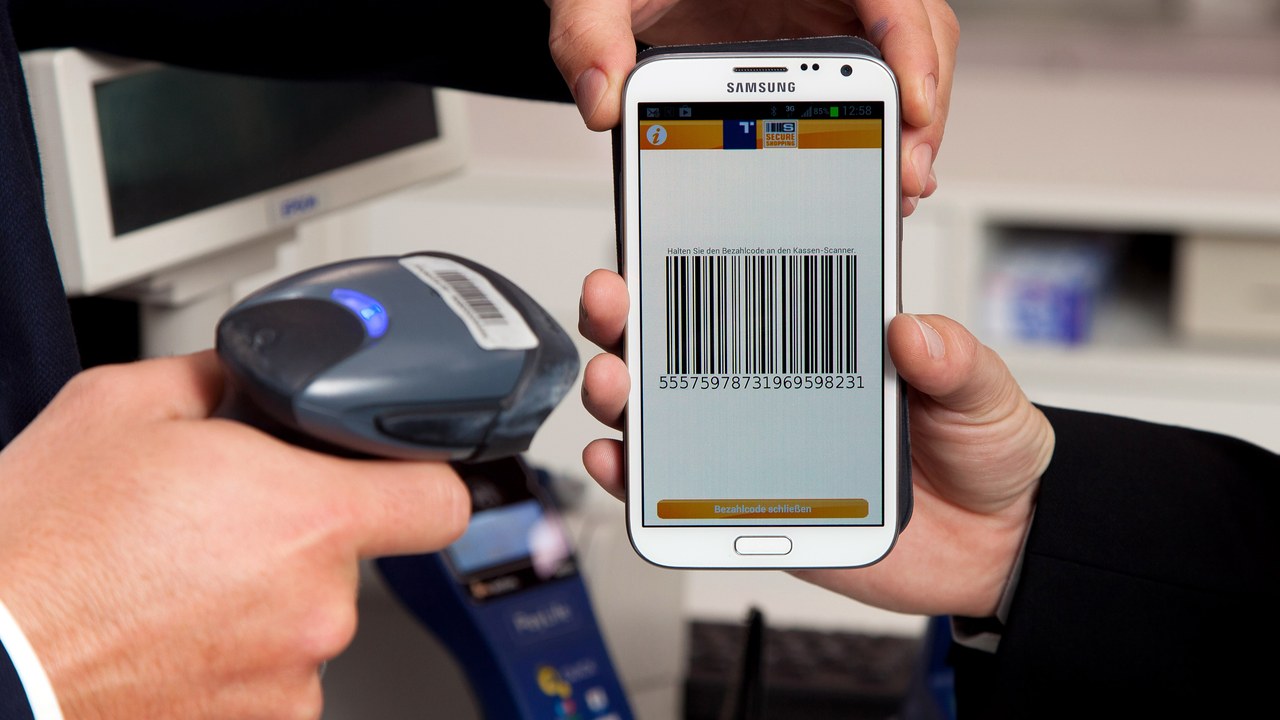
A federal refund does not have to land in a checking account at a bank. For people who do not have one, the IRS says another route exists: pre-paid debit cards and mobile payment applications. The agency’s page on the CP53E notice sends readers to its ModernPayments page for those options.
A CP53E is the notice the IRS sends when a return shows a refund but the bank information on it is invalid, missing or rejected. It is part of a broader federal move to electronic payments under Executive Order 14247, and the IRS tells people who get one to supply a working account through their online account. For households that bank with cash, money orders or a prepaid card, that instruction raises an obvious problem.
That is the gap the card-and-app guidance fills. The question for a reader without a bank account is which kind of account to open, or already hold, before the notice’s clock runs out, and whether it will meet the IRS’s own test for an acceptable account.
Retirement deadlines, in your inbox: Miss an enrollment or claim deadline and the money can be gone. The Retirement Money Brief keeps you ahead of the ones that matter, every weekday.
Get the Retirement Money Brief →
We may earn a commission from links on this page.
What does the IRS say about people without a bank?
The page says guidance is provided if a person does not have a bank account, and it names two substitutes: pre-paid debit cards and mobile payment applications. It does not name a card brand or an app, and it does not rank them. The details sit on the ModernPayments page that the notice page points to.
For a reader, that means the IRS has put prepaid cards and payment apps on its own list of ways to receive a refund, rather than leaving a bankless filer to wait for a check. A filer should confirm the specifics there before moving any money.
What test does an account have to pass?
On the same page, the IRS says it “requires you to use a direct deposit account under your own name or a joint account you share.” Accounts belonging to family members or friends are not allowed. A card or app account opened for the filer’s own use is the kind of account that wording describes.
Anyone who has been getting a relative to “hold” the money should read that line twice. The rule is about whose name the account is in, not about which institution runs it.
Is a paper check still possible?
Sometimes. The IRS says there are “limited exception conditions to request a paper check using your online account,” and it does not list them on the page. Without any action, a paper check is what comes after 6 weeks if the filer does not respond to the notice.
Between those two points is the 30-day window the IRS gives to update or add an account, and the notice allows only one online opportunity to enter it. A filer who is opening a prepaid card or app account for this purpose should have the account details in hand before starting that attempt.
What about offsets and scams?
A refund sent to a card or an app is still subject to the same rule as any other: it “may be subject to offset if you have other outstanding liabilities.” The destination does not change what the IRS can subtract first.
On scams, the IRS advises checking that a link starts with https:// and displays a lock icon, and that the address contains “.gov.” That matters here because a request to “confirm” card or app details by text or email is a common trick, and the IRS says it is the online account that takes the account information. The page was last reviewed on May 11, 2026.
Whether a particular card or app qualifies is the part the page leaves to ModernPayments, so that is the one place to read before choosing.
Sending a CP53E refund to a card or app?
Switching to a prepaid card or payment app adds a second set of dates to follow: the notice’s 30 days on one side, and the refund’s journey to the new account on the other. A refund that is sent but never shows up can be hard to trace without a record of what was entered and when.
That is a timing and notice problem, not a question of which card to pick, and it is where The IRS Refund Recovery Kit helps. It contains a notice decoder and a refund status tracker spreadsheet, Part 7 on refunds that are sent but never arrive, and the refund-trace steps (Form 3911).
Follow a card or app refund in the IRS Refund Recovery Kit tracker →
More Financial Reading
- 21 Ways to Stretch a $2,087 Social Security Check
- 15 Places to Find Your Share of the $4.25 Billion States Give Back
- 15 Steps to Stop the Scams That Took $7.7 Billion From Seniors
This article was produced with AI assistance and edited for accuracy against the sources linked above.