
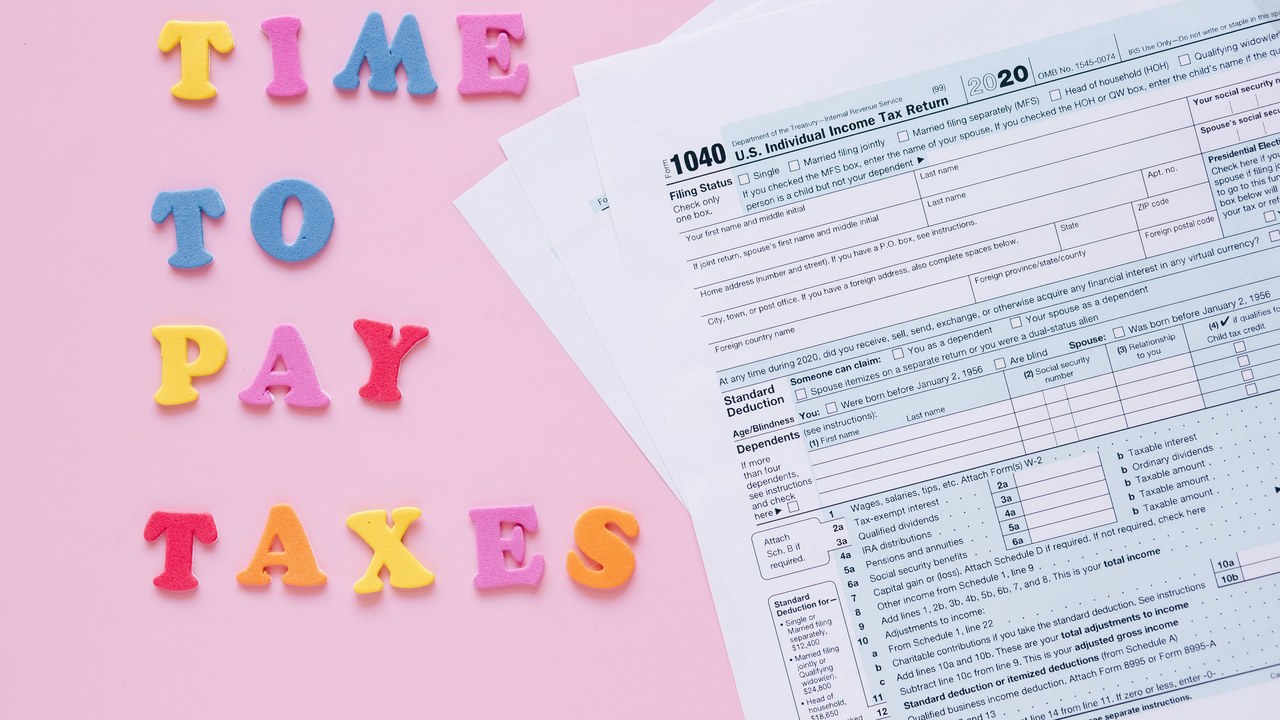
The fourth and final estimated tax payment for 2026 is due Friday, January 15, 2027. The IRS says so in its 2026 Form 1040-ES, the booklet and vouchers used by people who pay tax during the year instead of through a paycheck. The same form carves out an exception: anyone who files a 2026 return by Monday, February 1, 2027, and pays the entire balance with it does not have to make the January payment.
That leaves a decision for anyone with income that has no tax taken out, such as self-employment pay, rent, interest, dividends or capital gains. Send the fourth installment by January 15, or file early and settle the whole bill by February 1. The form says estimated tax is required in most cases when a person expects to owe at least $1,000 for 2026 after subtracting withholding and refundable credits.
Retirement deadlines, in your inbox: Miss an enrollment or claim deadline and the money can be gone. The Retirement Money Brief keeps you ahead of the ones that matter, every weekday.
Get the Retirement Money Brief →
We may earn a commission from links on this page.
Who has to pay estimated tax for 2026?
The IRS sets two conditions in Form 1040-ES. First, a person expects to owe at least $1,000 in tax for 2026 after withholding and refundable credits. Second, that person expects withholding and credits to fall short of the smaller of two amounts: 90% of the tax shown on the 2026 return, or 100% of the tax shown on the 2025 return.
A higher-income rule applies to the second amount. The form says that when adjusted gross income for 2025 was more than $150,000, the 100% figure becomes 110% of the 2025 tax. The 2025 return must also cover all 12 months for the 100% test to work.
Retirees often land here without expecting it. Withdrawals from a traditional IRA or 401(k), a pension that withholds too little, and interest from a large savings balance can all produce tax that no one is collecting during the year.
How does the February 1 shortcut work?
The footnote on the January line of the payment schedule reads: “You don’t have to make the payment due January 15, 2027, if you file your 2026 tax return by February 1, 2027, and pay the entire balance due with your return.” Both conditions matter. Filing alone does not erase the payment, and neither does paying part of the balance.
The shortcut only skips the fourth installment. The first three, due April 15, June 15 and September 15, 2026, are already behind anyone who followed the schedule. The IRS says a person may also pay all of the estimated tax by April 15, 2026, in a single lump sum, or in four equal amounts on the scheduled dates.
For many households the early-filing route means gathering year-end statements and finishing a return in January, weeks before the usual rush. Those who cannot do that by February 1 should plan on the January 15 voucher or online payment.
What does a missed payment cost?
The IRS says that if payments are late or too small, a penalty for underpaying tax may apply. In the form’s words, the penalty “is imposed on each underpayment for the number of days it remains unpaid.” The charge therefore grows the longer a shortfall sits, which is why a payment that arrives a few days after January 15 costs less than one that never arrives.
The IRS publishes the longer rules in Publication 505, which covers tax withholding and estimated tax for 2026. Its chapter on estimated tax explains how the safe harbor amounts work, and its worksheets help workers with both a paycheck and outside income.
How can the fourth payment be sent?
Form 1040-ES lists several ways to pay. They include an online account at IRS.gov/Account, IRS Direct Pay from a checking or savings account, a debit card, credit card or digital wallet (the payment provider charges a fee), the EFTPS system (which requires enrollment), the IRS2Go phone app, cash through the IRS.gov pay-cash options, and a check or money order mailed with the payment voucher to the address listed for the filer’s state.
Anyone who prefers a person to a screen can start at IRS.gov, where the payment options and the estimated tax pages are free to use. The form’s payment voucher carries the January 15, 2027 date for those mailing a check.
What about farmers and fishermen?
Farmers and fishermen follow a separate track. The IRS says people who earn at least two-thirds of their gross income from farming or fishing in 2025 or 2026 may pay all of their estimated tax by January 15, 2027, or file by March 1, 2027, and pay the total tax due. That means a later filing deadline than the February 1 date for everyone else.
The last piece of the schedule is the one with the most room for choice. The IRS gives two clear dates in its 2026 Form 1040-ES, January 15 for the payment and February 1 for the early-filing exception, and leaves the decision to each filer. The open question for many retirees is whether they can pin down their full 2026 tax bill by the end of January.
Paying the last 2026 estimate by January 15, or filing by February 1?
A final estimated payment is a guess about the whole year’s tax, and a wrong guess brings an underpayment penalty that the IRS says is charged for each day a shortfall stays unpaid. Retirees who draw on savings and Social Security are the people most likely to be off.
The Retirement Tax & Withdrawal Planner includes four calculators (provisional income, IRMAA tier, RMD schedule, Roth bracket fill), the senior deduction and the account withdrawal order. Part 2 of the planner, “Is Your Social Security Taxed?”, walks through how much of a benefit counts as income.
Open the Retirement Tax & Withdrawal Planner’s four calculators before January 15 →
More Financial Reading
- 21 Ways to Stretch a $2,087 Social Security Check
- 15 Places to Find Your Share of the $4.25 Billion States Give Back
- The New $6,000 Senior Deduction and 14 More Tax Moves for Retirees
This article was produced with AI assistance and edited for accuracy against the sources linked above.


