
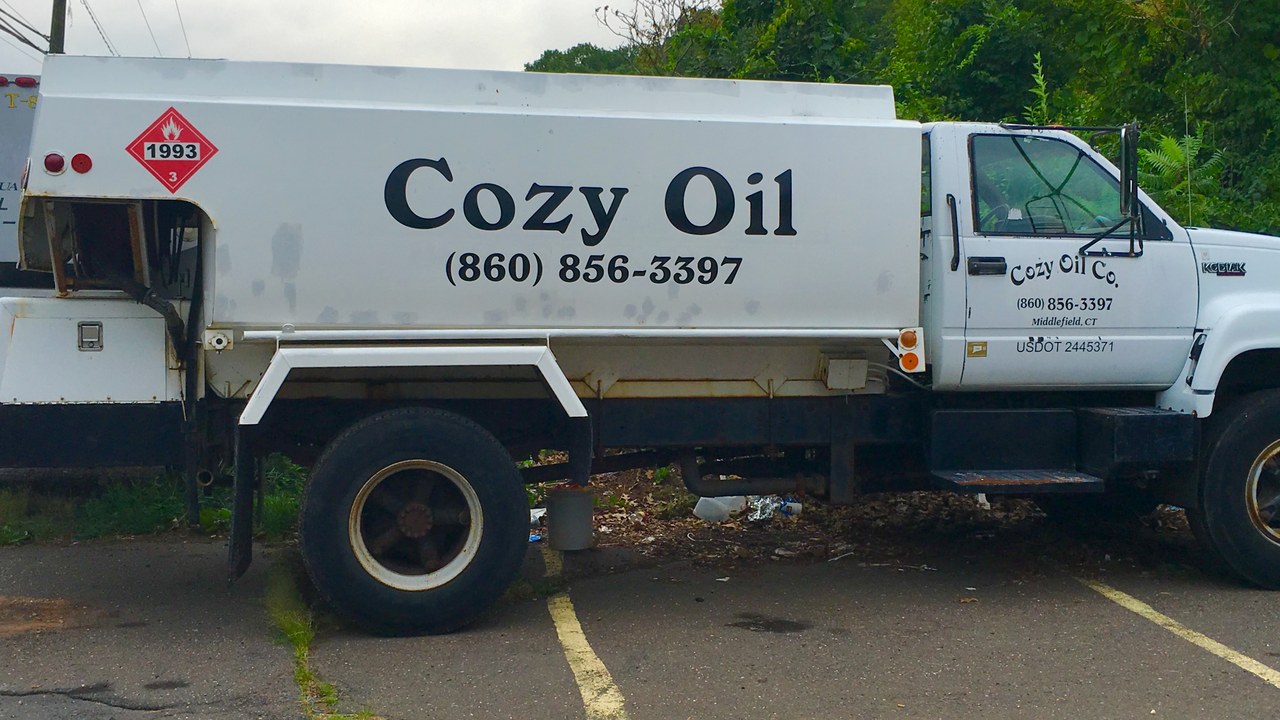
Households that heat with oil are starting the season at a much higher price. The U.S. Energy Information Administration put the national average for residential heating oil at $6.190 a gallon on October 19, up $2.664 from the same week a year earlier and up 5.2 cents from the week before.
The figures, published Wednesday, October 21, mean a year-over-year jump of about 76 percent from the roughly $3.53 a gallon that households paid in mid-October 2025. For a household that fills a tank several times a winter, the gap shows up on every delivery ticket.
What did each region pay on October 19?
EIA’s weekly heating oil table breaks the price down by region. The East Coast averaged $6.202 a gallon, up 5.2 cents on the week and $2.666 on the year. New England averaged $6.112, up $2.666 from a year ago. The Central Atlantic region paid the most at $6.304, up 7.2 cents on the week and $2.677 on the year.
The Lower Atlantic averaged $5.929, up only two-tenths of a cent on the week, and the Midwest averaged $5.910, up 4.7 cents on the week and $2.606 on the year. No region on the table is below $5.90.
What will a heating oil winter cost?
EIA’s October winter fuels outlook puts a number on the season. The agency forecasts that the average household heating with oil will spend $2,115 from November through March, up 21 percent from last winter. It expects the average price to be $5.26 a gallon, up 34 percent, easing from $5.79 in November to $4.84 in March. Consumption is forecast at 402 gallons, down 9 percent, because EIA expects warmer weather than last year.
Retirement deadlines, in your inbox: Miss an enrollment or claim deadline and the money can be gone. Join the Retirement Money Brief and we’ll send you our Property Tax & Utility Relief Finder as a welcome gift.
Get the Brief + the relief finder →
We may earn a commission from links on this page.
About 4.1 million households, roughly 3 percent of the country, list heating oil as their main heating fuel, a 5 percent decline from 2025. Most are in the Northeast, which has about 3.4 million of them. EIA’s winter fuels article gives the comparison for other fuels: natural gas households are forecast to spend $640, down 9 percent, electricity $1,196, up 4 percent, and propane $1,246, down 3 percent.
Is there federal help with a heating oil bill?
The question for a retiree on a fixed income is whether any of that $2,115 can be offset. The main federal program is the Low Income Home Energy Assistance Program, known as LIHEAP. The Administration for Children and Families says it helps with home energy bills and with keeping homes warm in winter, helps prevent energy shutoffs, pays for weatherization, and covers fixing or replacing heating equipment and small energy-related repairs.
Applications go through LIHEAP’s federal page, which points to EnergyHelp.us and the National Energy Assistance Referral line at 1-866-674-6327, open weekdays 9 a.m. to 7 p.m. Eastern. State, territory and tribal grant recipients run the program locally. The page says LIHEAP does not give direct grants to individuals and charges no fee, and anyone offered a grant or asked for payment should report it to the HHS Fraud Hotline at 1-800-447-8477.
When does the next price come out?
From October through March, EIA publishes the heating oil survey every Wednesday after 1 p.m. Eastern time, so the next reading for October 26 is due Wednesday, October 28. The weekly change has been small, 5.2 cents nationally in the latest week, but the yearly gap of $2.664 is the figure that sets the size of a delivery bill.
The weekly table also lists propane, which EIA put at $2.689 a gallon nationally, up 5.6 cents on the week and 25.6 cents on the year. EIA’s winter forecast shows propane spending falling 3 percent while heating oil spending rises 21 percent.
EIA does not forecast what a particular household will pay, since the price depends on the dealer and the delivery. What it does publish is the benchmark every Wednesday, and it is the figure to hold a dealer’s quote against.
Looking for help with a $6.19 heating oil bill?
At $6.190 a gallon, a single fill-up can eat a month of a fixed income, and EIA projects $2,115 for the winter. The price itself is out of any household’s hands, and the programs that offset the bill each have their own applications and renewals.
The Senior Property Tax & Home-Cost Relief Kit pulls together heating, cooling and home-repair help for older homeowners,, along with the circuit-breaker credit that includes renters. It also includes an application log and renewal calendar, so every heat-assistance application sits in one place. The kit covers the help around the bill, not the price of oil.
Get the heating, cooling and repair help guide and application log in the home-cost relief kit →
More Financial Reading
- 21 Ways to Stretch a $2,087 Social Security Check
- 15 Places to Find Your Share of the $4.25 Billion States Give Back
- The New $6,000 Senior Deduction and 14 More Tax Moves for Retirees
This article was produced with AI assistance and edited for accuracy against the sources linked above.


