
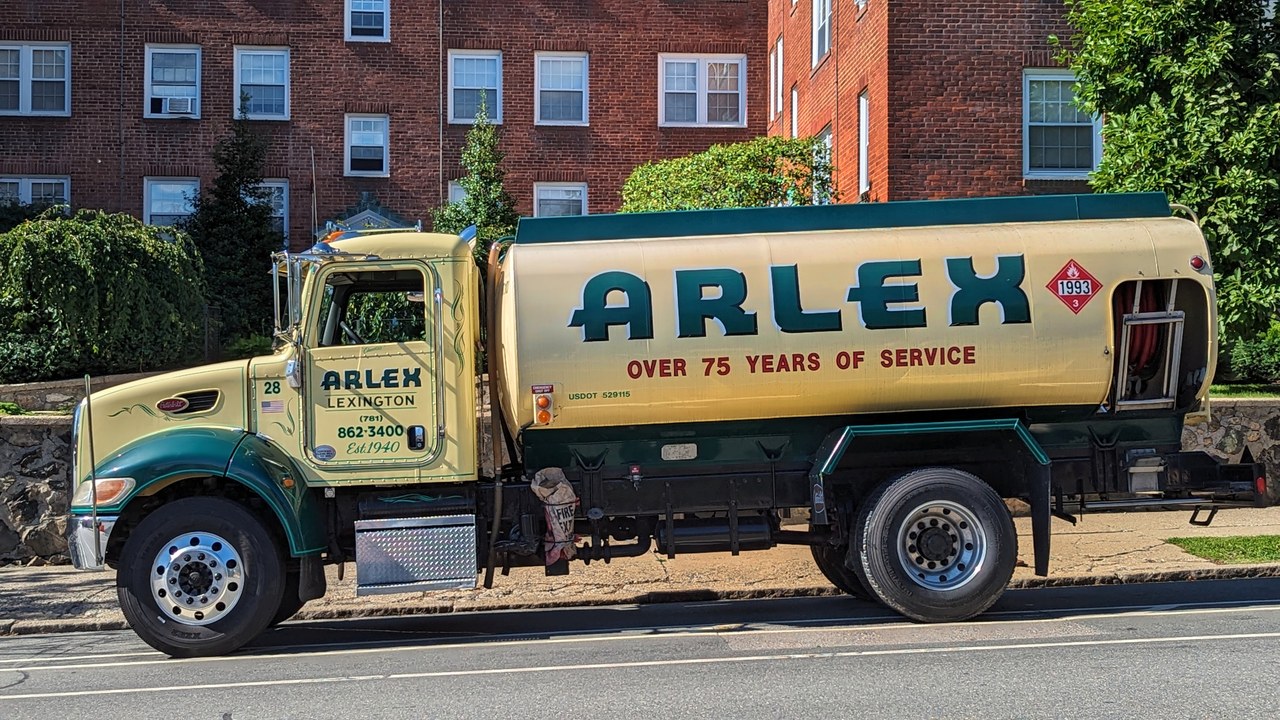
The Energy Department said on October 21 that it will lend up to 315,000 barrels of fuel oil from the Northeast Home Heating Oil Reserve, a step aimed at easing a supply disruption before winter. The loan comes as the U.S. Energy Information Administration puts the national residential price of heating oil at $6.19 a gallon.
The oil is not going to households. It goes to companies that win bids, and they have to give it back with a premium, so any effect on a homeowner’s delivery bill would come indirectly, through supply.
What the Energy Department is lending
The department’s announcement authorizes an exchange of up to 315,000 barrels of ultra-low sulfur distillate, the fuel oil used in home tanks. The oil sits at three terminals: South Portland, Maine; Boston, Massachusetts; and New Haven, Connecticut. No more than 150,000 barrels can come from any one site.
Companies that want a share must file offers by 11:00 a.m. Central Time on Tuesday, October 27, 2026. Each offer has to be at least 25,000 barrels and no more than 30,000 barrels, and a bidder may submit more than one. Fuel transfers and deliveries are to be completed by November 13, 2026.
What $6.19 a gallon means at the tank
The EIA’s weekly series shows the average U.S. residential heating oil price at $6.190 a gallon for the week ending October 19, 2026, up from $6.138 the week before. That is a national average. Prices in Maine, Massachusetts and Connecticut, and from one dealer to the next, will differ.
What changed this year: Social Security and Medicare change every year, and nobody sends you a memo. The Retirement Money Brief breaks down what changed and what to do. Bonus when you subscribe: our Property Tax & Utility Relief Finder.
Get the Brief and the relief finder →
We may earn a commission from links on this page.
At $6.19, a 150-gallon delivery comes to $928.50 before any delivery fee. A household that fills a 275-gallon tank from empty would pay $1,702.25 at the same average. Those are simple multiplications of the EIA figure, and a dealer’s quote is the number that counts.
Will the loan bring bills down?
The department describes the exchange as a response to rising home heating oil costs over the coming winter. Secretary Chris Wright called it “a temporary measure to solve a temporary supply disruption.” Nothing in the announcement promises a lower price at the pump or a specific drop per gallon.
The department also used the announcement to press a larger point. Wright urged governors in New York and New England to work with the administration on the Constitution Pipeline and to move homes from heating oil to lower-cost natural gas, which he said would save residents billions of dollars. Whether that happens is up to state officials and utilities, and conversions take time and money for each household.
For a retiree on a fixed income who heats with oil, the plain answer to whether this brings the bill down is that it may help supply and does not set a price. The reserve is meant to be refilled: the borrowing companies must return the same volume of fuel plus a premium, with the aim of restocking before the 2027-2028 heating season. A household can compare dealer prices, ask about a price-cap or budget plan before the first fill, and apply for energy bill help while funds remain. The federal Low Income Home Energy Assistance Program helps low-income households with heating and cooling costs, with eligibility set by federal poverty guidelines and state median income estimates.
What happens after November 13
Once deliveries finish on November 13, the oil that moved out of the three terminals is out of storage until it is repaid. The department has not published the premium companies will owe, and it has not stated the size of the reserve in the announcement, so the cushion left for a cold January is not spelled out.
That leaves the winter’s cost where it was for most households: tied to the dealer’s per-gallon price on the day of the fill. The EIA weekly number moved up about five cents in one week, from $6.138 to $6.190, a reminder that the price can shift while a tank is half full. Anyone who can top off at a lower weekly average is dealing with the same market the loan is meant to calm.
Heating oil at $6.19: what help can be lined up before the cold sets in?
A reserve loan to oil companies does nothing for an older homeowner whose tank is low and whose next fill is priced at $6.19 a gallon. The help that does reach a household comes from applications with their own dates, and a missed renewal means starting over.
The Senior Property Tax & Home-Cost Relief Kit covers heating, cooling and home-repair help for older homeowners, and it adds an application log and renewal calendar so each program’s dates are written down in one place. Part 5 of the kit, on utilities and home costs, is where the heating help sits.
Get the heating-help application log and renewal calendar kit →
More Financial Reading
- 21 Ways to Stretch a $2,087 Social Security Check
- 15 Places to Find Your Share of the $4.25 Billion States Give Back
- 17 Medicare Money Moves Now That Part D Caps at $2,400
This article was produced with AI assistance and edited for accuracy against the sources linked above.


