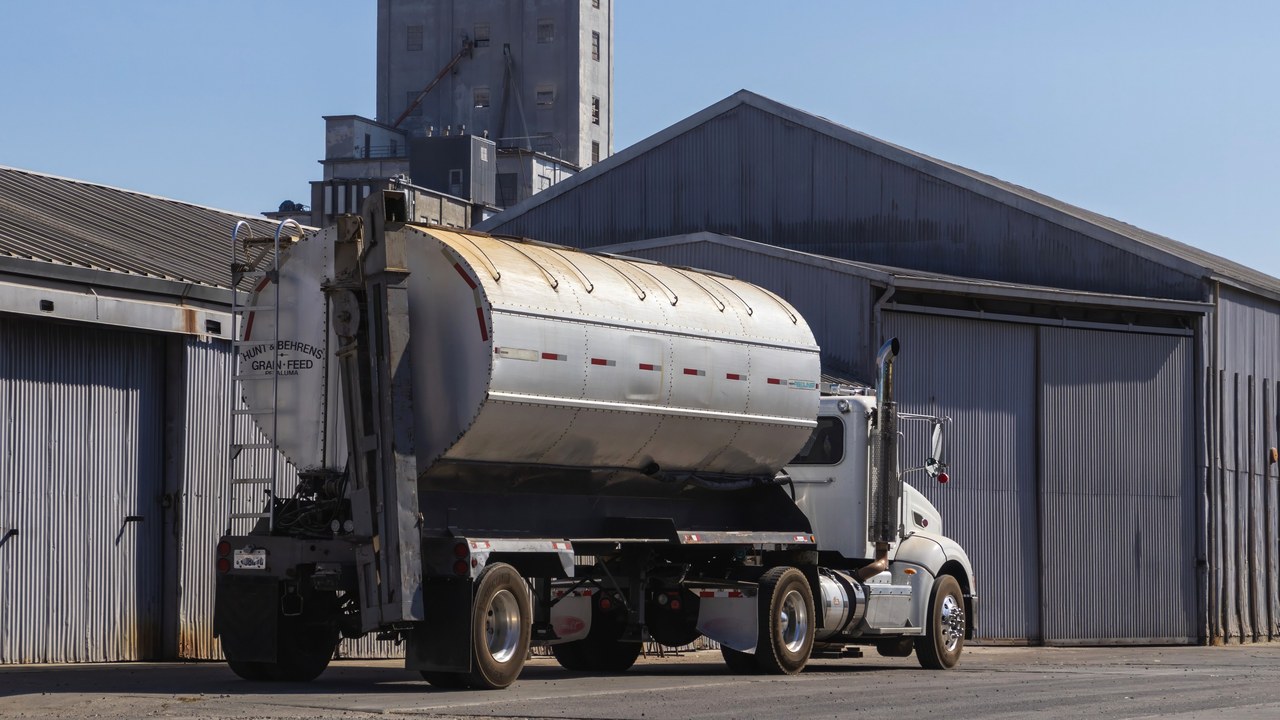
A presidential order signed on October 5, 2026, tells the Treasury to put off a fuel tax bill for a set group of buyers. The executive order, titled Emergency Tax Relief on Diesel Fuel, covers the federal excise tax on dyed diesel used on the highway, and it sets a deferral period that runs from October 5 through December 31, 2026. It also says the postponed amounts are to carry no penalties or interest.
What the order does and what it leaves to Treasury
The text on the White House page is signed and dated October 5, 2026, with that same date as its effective date. President Donald J. Trump is the signer, and the stated purpose is rising diesel prices that affect farmers and truckers.
The order works by instruction. Section 2 tells the Treasury Secretary to determine within 5 days whether the relief qualifies under 26 U.S.C. 7508A, the Internal Revenue Code’s deferral authority, and to defer payments of the specified excise taxes from October 5 through December 31, 2026. The statutory provisions it cites for those taxes are 26 U.S.C. 4041(a)(1)(A) and 4041(b)(1)(B). Section 3 then requires guidance spelling out the specifics, the legal basis, the covered taxpayers, the periods and the repayment deadlines.
That sequence is why the headline says the order directs Treasury to defer the tax. The order is in effect as of its signing, but the details a business would act on, including who is covered and when the postponed tax is due, are assigned to guidance that the order itself does not contain.
Before the details, one point settles who is affected: a household that does not buy diesel by the truckload, or at all, is not a party to the order. A driver of a gasoline car is not mentioned anywhere in it, and the page does not say anything about pump prices for ordinary motorists.
Fuel stories tend to raise a wider question about household costs, and The Benefits Checklist is a guide covering 11 benefit programs, several of which are opt-in and must be applied for.
See the 11 benefit programs that sit alongside rising fuel costs →
Who is covered, and who the order never mentions
The beneficiaries named in the order are farmers and truckers, along with workers more broadly, and the order directs the Secretary of Agriculture to coordinate with agricultural cooperatives, distributors and farm organizations. The product is dyed diesel, the fuel that is normally sold for off-road use. Section 2(c) addresses the case where it is used on the road, telling the IRS to announce that it “will not impose a penalty” under 26 U.S.C. 6715(a)(1) or (a)(2) when dyed diesel is sold for use or used on the highway during the relief period.
No interest or penalties, and the deferral is not forgiveness
Section 2(b) is the passage the headline leans on. Deferred amounts are to be “deferred without any penalties, interest, additional amount, or addition to the tax.” For a trucking firm or farm operation that normally remits the tax on a schedule, that wording means a later payment date without the usual cost of lateness.
The tax itself is still owed. Section 3 requires guidance identifying the date by which postponed taxes must be paid, which only makes sense if payment is expected at some point. A separate passage, Section 4, directs the Secretary to explore avenues, including legislation, to eliminate the obligation to pay the deferred amounts. Exploring is not granting, and the order does not cancel anything.
The general provisions add two limits. The order is to be implemented consistent with applicable law, and it is not intended to create enforceable legal rights. The page does not state a per-gallon rate, so the size of the tax being deferred has to come from the statute and from Treasury’s guidance, not from the order.
What the December 31 end date means in practice
The order’s window is October 5, 2026, through December 31, 2026, which is a stretch of just under three months. Neither the date the postponed tax comes due nor the form of any IRS announcement is fixed in the order, because both are left to the Secretary’s guidance. A fuel buyer relying on the deferral would be waiting on that guidance for the repayment date, and the order’s own five-day instruction puts the first determination within days of October 5.
Reading the order before the Treasury guidance arrives
The free primary source is the order’s text on whitehouse.gov. A business or farm that buys dyed diesel can read Sections 2 and 3 for the covered period and for what the guidance is required to say, and then check for the Treasury and IRS announcements the order calls for, since they will carry the repayment date and the list of covered taxpayers.
For households outside the order, the practical overlap is the broader cost picture. Several programs that help with household bills are opt-in, meaning an application has to be filed with the agency that runs each one.
The Benefits Checklist pairs the 2026 income limits with a printable tracker that comes with the download, so a household can keep track of which of the 11 programs it has applied to.
Click here to get The Benefits Checklist →
This piece was drafted with AI assistance; the figures and dates were checked against the White House order text linked above.