Six drug makers have agreed to pay approximately $96.5 million to settle claims that generic-drug prices were fixed, and consumers who bought the affected medications between May 2009 and December 2019 can now file for compensation. The claim window closes March 8, 2027. A federal court in Connecticut has granted preliminary approval only, so the distribution plan is not yet final.
Affiliate links — we may earn a commission.
The multistate generic-drug claim due March 8, 2027. The news leaves open which purchases match the listed drugs; The Settlement & Refund Recovery System includes a step-by-step filing walkthrough and a claim log for tracking the filing.
Line up the generic-drug claim steps before the March 8 cutoff →
Six manufacturers behind one fund
The settling companies are Glenmark, Lannett, Bausch, Apotex, Heritage and Emcure, the parent company of Heritage. California Attorney General Rob Bonta’s office, in a release dated September 24, 2026, put the combined settlements at approximately $96.5 million and listed AGGenericDrugs.com as the place to file. The same release names a coalition of California and 47 other states and territories behind the case.
The $96.5 million is a total across all six manufacturers. None of the three attorney general releases read for this piece states a per-person payment, so no dollar amount per claimant can be reported. New York’s office rounds the fund down to $96 million in its own announcement, which is the same pot described with less precision, not a second settlement.
Preliminary approval in the District of Connecticut
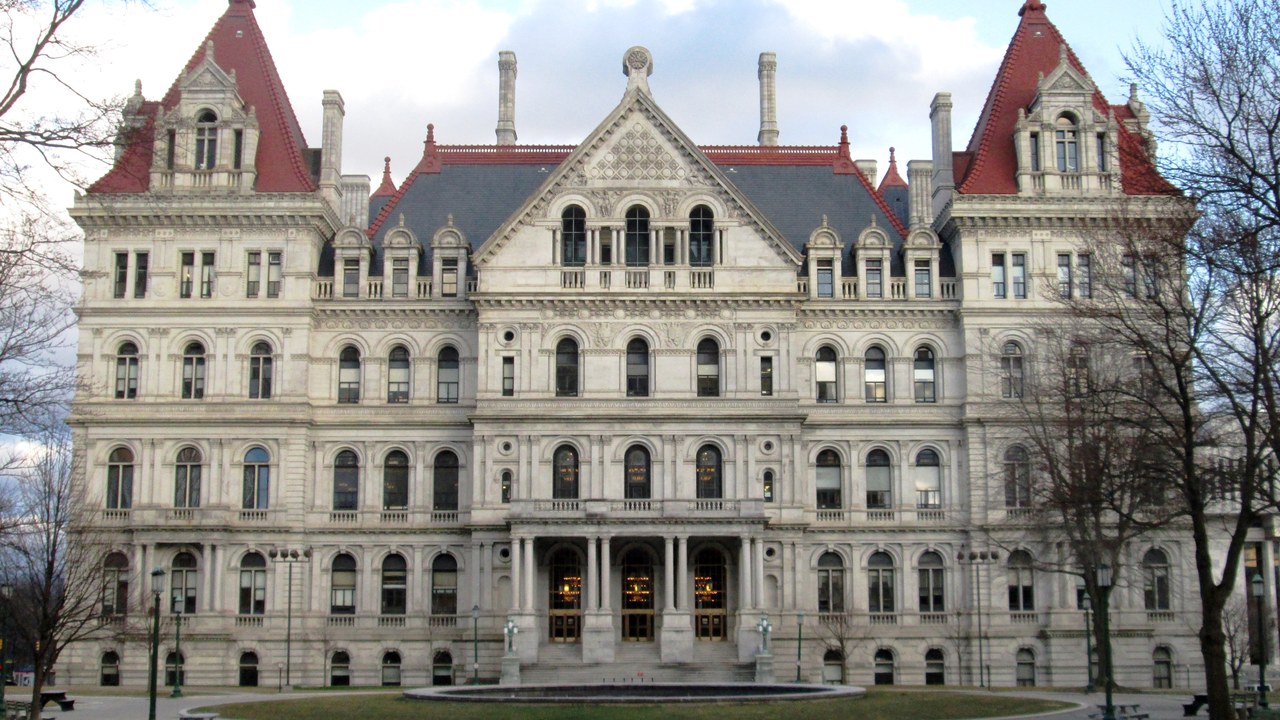
The U.S. District Court for the District of Connecticut has preliminarily approved the settlement plan, according to Connecticut Attorney General William Tong’s office, which dates the approval to September 2026. Preliminary approval is an early step. It lets the claims process open while the court is still reviewing the terms, and the releases do not give a date for final approval.
That status shapes how the March 8, 2027 date should be read. The deadline is a filing cutoff set for consumers, and the money moves only after the court completes its review. The three releases describe the claim period as open now and do not say when payments would go out.
Tong described the underlying conduct bluntly, saying that major players across the generic drug industry rigged the market and forced customers to pay higher prices for critical medication. Connecticut’s release counts 48 states and territories in the coalition, Connecticut included, and notes that a third complaint in the litigation names 26 corporate defendants and 10 individual defendants.
May 2009 through December 2019 defines who can file
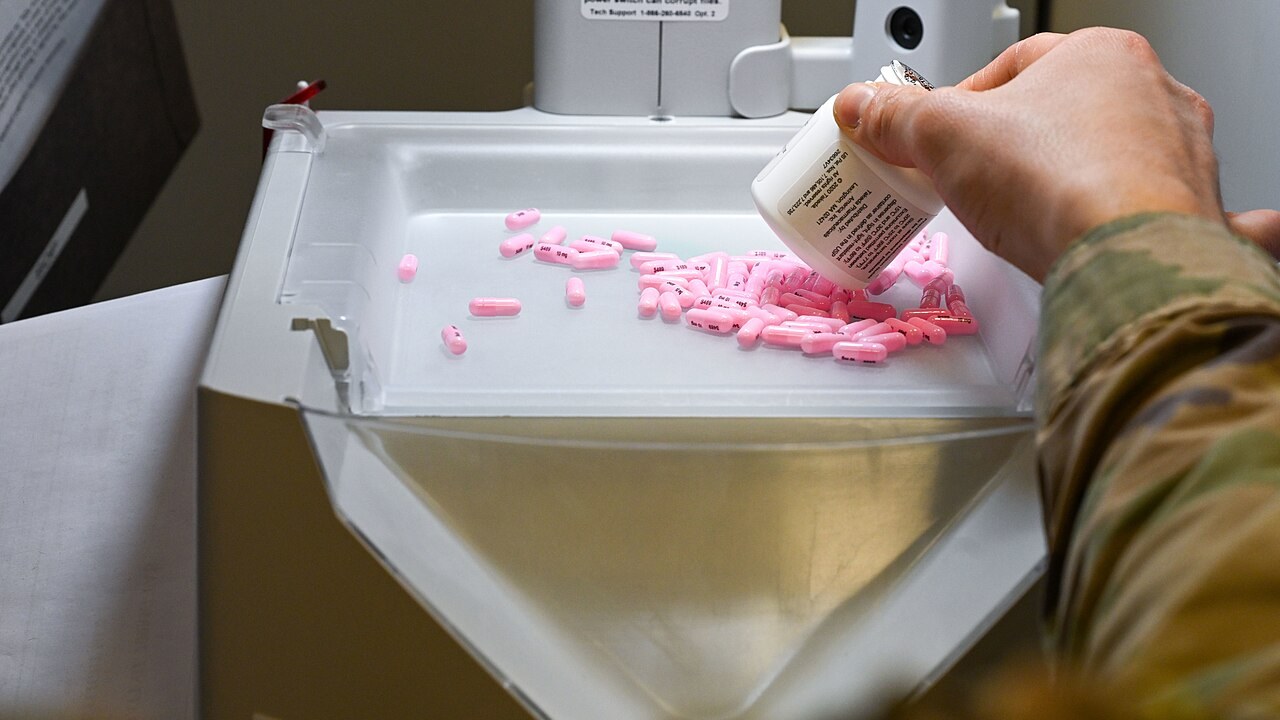
Eligibility rests on purchases. Consumers who bought generic drugs from the lists on the claim website between May 2009 and December 2019 fall inside the class, per the California and Connecticut releases. The test is the specific drug, not the category: a purchase of a generic medication that does not appear on the list does not qualify just because it is generic.
The scale of the alleged conspiracy explains why the list is long. New York Attorney General Letitia James said in her office’s announcement that for years, dozens of pharmaceutical companies cheated New Yorkers with shady backroom deals that raised prices, and the release describes more than 100 generic drugs affected, in forms ranging from tablets and capsules to creams and ointments. Elinor Hoffmann, the antitrust bureau chief, and Deputy Bureau Chief Amy McFarlane are named in that release as part of the New York team.
Teva, Novartis and Sandoz are still defendants
This fund does not close the case. California’s release lists Teva Pharmaceuticals, Novartis AG, Sandoz Group AG and Sandoz AG as defendants in ongoing cases, separate from the six manufacturers that settled. Any future recovery from those defendants would be a different matter from the approximately $96.5 million now open for claims, and nothing in the releases attaches a timetable to it.
Bonta framed the settlements as the product of the coalition’s work to hold generic drug manufacturers accountable for illegally conspiring to drive up prices, adding that consumers may now be eligible to receive compensation. The word may is the operative one in that sentence, because eligibility still depends on the purchase record matching the listed drugs.
More than ten years of purchases have to be matched to a named drug list
The hard part of this claim is recall. The class covers purchases across more than a decade, May 2009 through December 2019, and only for drugs on the list kept at AGGenericDrugs.com. A person who took a long-term prescription has to work out which of those drugs they bought, roughly when, and whether the purchase falls inside the window. The releases read for this piece do not state what documentation, if any, the claim form asks for, so that detail sits on the claim site itself.
Two clocks run side by side. The March 8, 2027 cutoff is fixed, while the court’s final approval is still pending, which means the settlement terms could still be reviewed after a claim is filed. The California release dated September 24, 2026 carries the deadline; the claim site carries the drug list.
The official route runs through the attorneys general: claims are filed at AGGenericDrugs.com, with questions handled at the toll-free number 1-866-290-0182 or at [email protected], the contacts printed in both the California and Connecticut announcements.
Open class-action deadlines beyond this one
The generic-drug claim runs to March 8, 2027, and other class-action settlements keep their own windows and claim forms. MoneyPilot is a paid subscription service that lists open class-action settlements and shows which ones may match a user. It also files claim forms for the user and tracks deadlines and payout status.
See which open settlements MoneyPilot lists →
This piece was drafted with AI assistance; the figures were checked against the California, Connecticut and New York attorney general announcements of September 2026.