
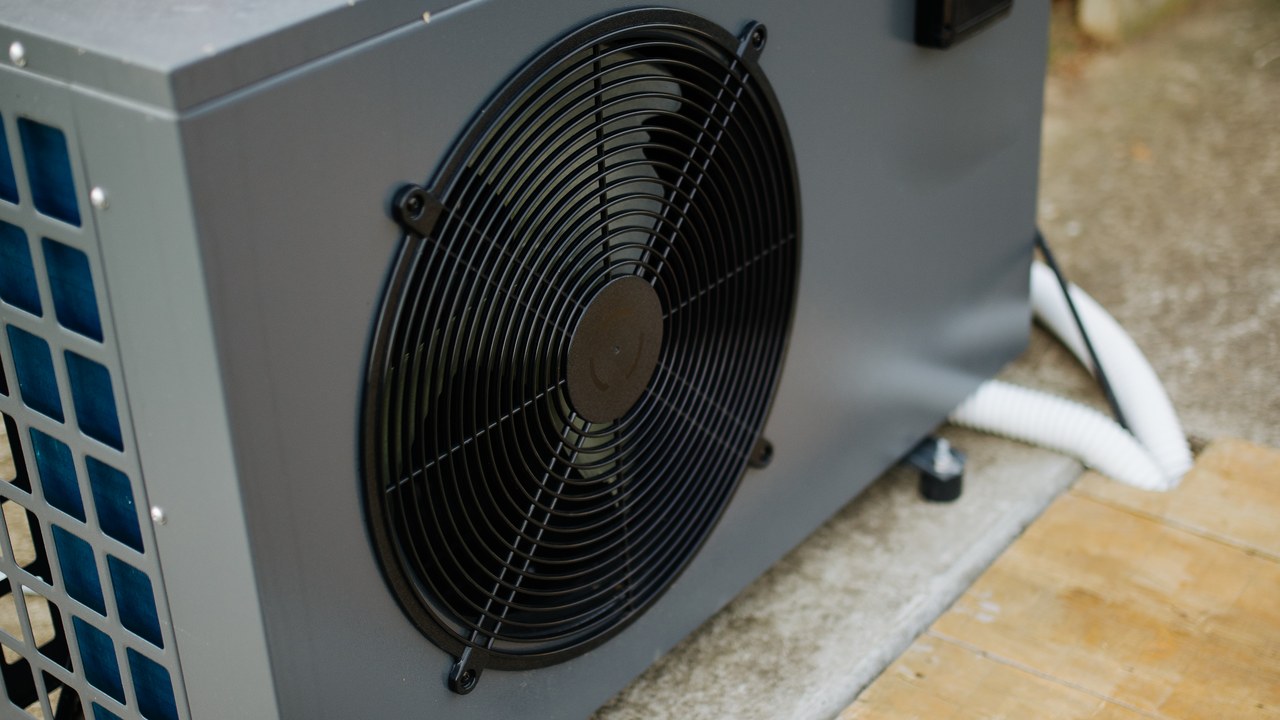
Hayward will send a technician to inspect and repair, in the owner’s home and at no cost, about 4,600 Universal pool heaters that sold for about $5,600, after identifying a defect that poses a carbon monoxide poisoning hazard. The recall, dated Sept. 17, covers heaters sold between March and July 2026. Carbon monoxide has no smell, color or taste, part of why regulators treat the hazard seriously enough to recall the heaters outright rather than simply issuing a warning.
Two service visits to track: Hayward’s inspection and repair often land as separate appointments, and a claim log and payment tracker paired with a step-by-step filing walkthrough in The Settlement & Refund Recovery System are built to keep both scheduled and confirmed. Log the inspection and repair visits in one tracker →
The Carbon Monoxide Hazard Behind Recall 26-777
The Consumer Product Safety Commission’s recall notice identifies the danger in its own title: a risk of serious injury or death from carbon monoxide poisoning. Recall 26-777 covers approximately 4,600 Hayward Universal pool heaters, manufactured by Hayward Industries, sold new between March 2026 and July 2026 at a price of about $5,600. A gas-fired pool heater burns fuel to warm the water, and when that combustion process is not properly vented, the carbon monoxide it produces can build up around the equipment or drift toward a nearby structure instead of escaping outside. Because a pool heater sits outdoors, many owners assume any exhaust simply dissipates into open air, which is part of why a venting or combustion defect in this kind of equipment can go unnoticed longer than the same problem would inside a furnace or water heater installed in a garage or basement.
Getting the Free In-Home Inspection and Repair
Rather than asking owners to disconnect and ship back a piece of outdoor equipment that can weigh well over a hundred pounds, Hayward is sending technicians directly to the heater’s installed location to inspect it and make any needed repair, at no cost to the owner. The recall notice directs affected owners to contact Hayward to schedule that visit. Because the heater stays in place through the process, a household does not lose pool heating for an extended stretch waiting on a replacement unit to arrive, only for however long it takes to get an appointment scheduled and completed. The recall notice ties the remedy to the heater itself rather than to a sales receipt, so an owner who no longer has proof of purchase is not shut out of the free inspection over paperwork alone.
Why Carbon Monoxide Poisoning Is Especially Dangerous
The CPSC’s own carbon monoxide fact sheet says “more than 200 people in the United States die every year from CO produced by non-automotive consumer products,” and describes the gas as “a deadly, colorless, odorless, poisonous gas” that the body cannot detect on its own. Low to moderate exposure can look like a headache, fatigue, shortness of breath, nausea or dizziness, symptoms easy to mistake for a passing flu, while higher exposure can cause confusion, vomiting, loss of coordination and, in the worst cases, death. The CPSC recommends battery-operated CO alarms, or ones with battery backup, on every level of a home and outside sleeping areas, interconnected where possible so that one alarm sounding triggers them all.
What a $5,600 Repair Would Otherwise Cost
A pool heater in the $5,600 range is a significant outdoor purchase, and a carbon-monoxide-related defect large enough to warrant a nationwide recall is not the kind of repair most homeowners could safely attempt themselves even if they wanted to save the service call. Diagnosing and fixing a venting or combustion problem on a gas appliance typically requires a technician licensed to work with gas lines, a visit that easily runs into the hundreds of dollars when a manufacturer is not covering it. Getting that same inspection and repair at no charge, without having to prove a specific malfunction first, spares an owner both the cost and the guesswork of tracking down a qualified repair technician independently. Replacing the unit outright rather than waiting for the recall repair would mean spending close to the original $5,600 price a second time, for a problem the manufacturer has already agreed to fix on the heater already installed.
Verifying Who Shows Up for the Repair
A recall on outdoor equipment worth thousands of dollars, tied to a hazard as alarming as carbon monoxide poisoning, is the kind of news that can prompt someone with no connection to Hayward to show up or call offering to “handle the recall” for a fee, or to use the visit as a pretext to inspect other property around the home. The CPSC notice does not list any third-party contractor as an authorized part of this recall, only Hayward itself, so a homeowner scheduling the free inspection has reason to confirm directly with the company that a technician’s visit was actually booked before letting anyone onto the property. An owner who wants to verify a recall’s details independently, or report a suspicious contact tied to one, can also search the CPSC’s own SaferProducts.gov database rather than relying solely on what a caller claims.
Keeping Two Service Visits Straight
Recall 26-777 pays for an inspection and, where needed, a repair, both done inside the owner’s property rather than at a shop, which means two separate appointments can land on two separate dates. Nothing about the recall notice itself tracks whether both visits actually happened once they are scheduled.
The Settlement & Refund Recovery System’s claim log and payment tracker and step-by-step filing walkthrough are built to hold that kind of multi-step service record in one place.
Compare the claim log and payment tracker in The Settlement & Refund Recovery System.
This article was produced with AI assistance and reviewed by a human editor, who checked the unit count, price and hazard against the CPSC’s own recall notice.


