More than three years after regulators accused Ring of letting its own employees watch customers’ home security footage with little oversight, money tied to that case is still moving. The Federal Trade Commission has begun sending Zelle payments to Ring owners who never cashed an earlier refund check or accepted a PayPal payment, the latest step in a redress program that has already returned more than $5.4 million to consumers. No claim form or application is required for this round; the agency identified eligible account holders directly from Ring’s own customer records.
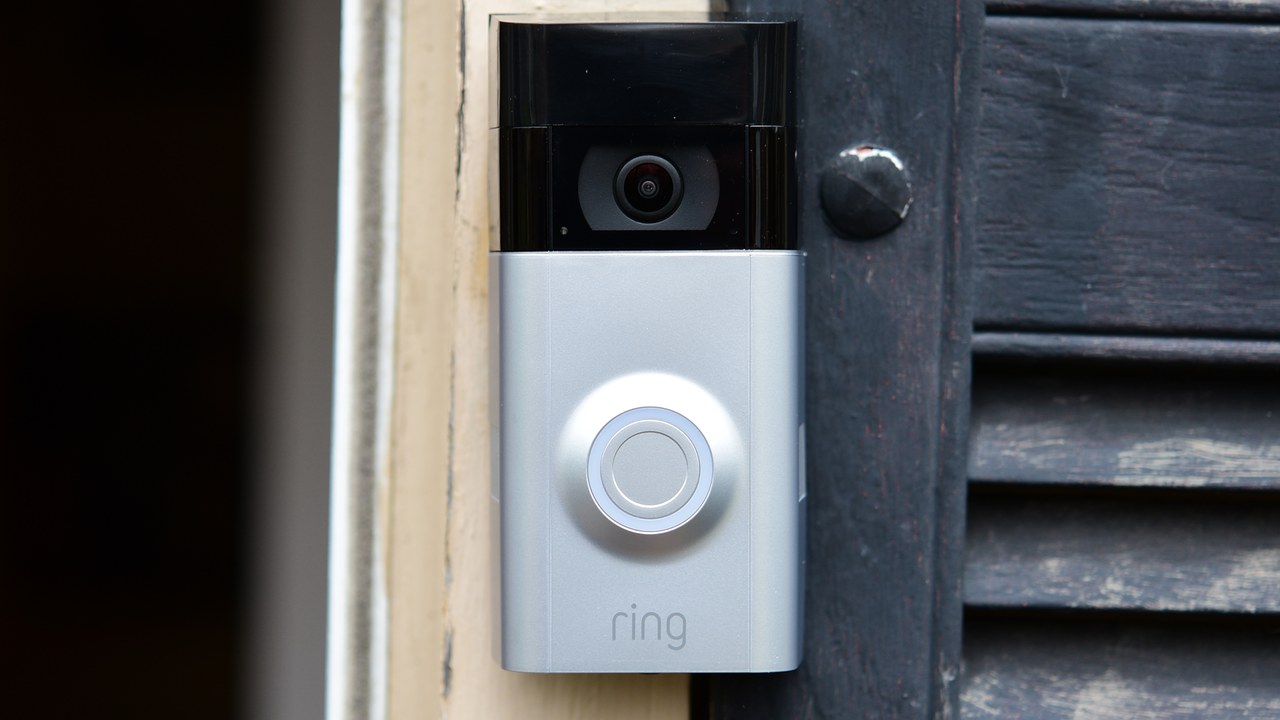
The payments trace back to a 2023 case over how the Amazon-owned doorbell and camera company handled video collected from millions of homes, and how poorly it protected those accounts from outsiders. Ring was purchased by Amazon in 2018 and has marketed its indoor and outdoor cameras around the promise of letting a household check in on its own home from anywhere, a pitch that made the underlying privacy allegations land especially hard with customers.
Employees Given Broad Access to Ring’s Home Camera Footage
In a complaint filed in May 2023, the FTC alleged that Ring let any employee or contractor access customers’ stored videos, with few limits on who could look or why. According to the complaint, one employee spent several months viewing thousands of recordings belonging to female Ring users, including footage from bathrooms and bedrooms, and was not stopped until a coworker discovered the conduct. Even after Ring later tightened who could view videos, the agency said the company still could not determine how many other employees had inappropriately accessed private recordings, because it had never built basic tools to monitor or log that kind of access.
The complaint also alleged that Ring did not adequately notify customers or obtain their consent before using recorded video for other purposes, including training its detection algorithms, and that the relevant disclosures were buried inside its terms of service and privacy policy rather than presented clearly. Ring did not begin requiring more meaningful consent for that kind of review until January 2018, according to the FTC’s account of the case. The agency framed the pattern as a broader failure of internal controls rather than a single rogue employee, noting that Ring had no reliable way to audit who had opened a given household’s footage until it built new tools well after the fact.
Free retirement updates: Enrollment and claim windows come and go, and missing one can cost you real money. The free Retirement Shield newsletter keeps you ahead of the deadlines that matter. Sign up free.
Hackers Exploited Weak Login Security to Watch Ring Videos
A second set of allegations in the case concerned Ring’s own account security. The FTC said Ring failed to guard against two well-documented attack methods: credential stuffing, in which stolen usernames and passwords from unrelated data breaches are tried against a new service, and brute-force attacks, in which software repeatedly guesses passwords. The agency said Ring was warned about the risk by its own employees, outside security researchers and media reports, yet did not require multi-factor authentication until 2019, and even then rolled it out poorly.
As a result, the complaint alleged, hackers gained access to stored videos, live video streams and account profiles belonging to roughly 55,000 U.S. customers. Beyond simply viewing footage, intruders used the two-way talk feature built into Ring cameras to harass, insult and threaten people inside their own homes, including children and elderly residents, and in some cases threatened families with physical harm unless a ransom was paid, according to the FTC.
The 2023 Order: $5.8 Million, Deleted Data and No Admission of Wrongdoing
The case was resolved through a stipulated order entered by a federal judge in the District of Columbia on June 16, 2023. The order is explicit that Ring “neither admits nor denies any of the allegations in the Complaint” — the FTC’s account of events was never tested as a finding by a court; it was resolved by agreement. Under the order, Ring was required to pay a $5.8 million monetary judgment to fund consumer redress, delete video recordings and any algorithms or data products built from footage collected before March 2018, and build a privacy and security program for the next 20 years that limits employee access to recordings, requires multi-factor authentication and mandates independent, recurring outside audits of its practices.
Two Rounds of Refunds Already Sent, a Third Underway by Zelle
The FTC’s Ring Refunds page shows the agency has already completed two rounds of payments to eligible customers — the first in April 2024, the second in August 2025 — together totaling more than $5.4 million. Now the agency is sending a further round of Zelle payments specifically to people who were sent an earlier check or PayPal payment but never cashed or accepted it. A Zelle payment lands directly in a recipient’s linked bank account along with a note referencing the settlement, and the FTC states plainly that it will never ask anyone to pay money to receive one of these refunds.
How Eligible Ring Owners Get Paid, No Claim Required
Because the FTC pulled eligibility directly from Ring’s own account records covering the relevant period, there is nothing to apply for and no deadline to track for this round of payments. Anyone with questions about a specific payment can call the refund administrator, Rust Consulting, at 1-833-637-4884, or review the agency’s refund program FAQ. The underlying case, tracked by the FTC as Ring, LLC, still shows compliance obligations running for years under the order’s monitoring, reporting and third-party assessment requirements — meaning the security and privacy program the order imposed will keep being checked long after the last refund check clears.
For a household that owns a Ring device and never received an earlier payment, the safest move is patience rather than a search for a claim link: the FTC has been explicit that eligible recipients do not need to file anything, and that any message demanding payment or personal account information to “unlock” a refund is not coming from the agency. The distribution now underway by Zelle is aimed precisely at closing that gap, reaching people the first two rounds of checks and PayPal payments missed.
This article was produced with AI assistance and reviewed by a human editor. Figures are linked to their primary sources; where a claim could not be verified from the public record, we say so.
More Financial Reading