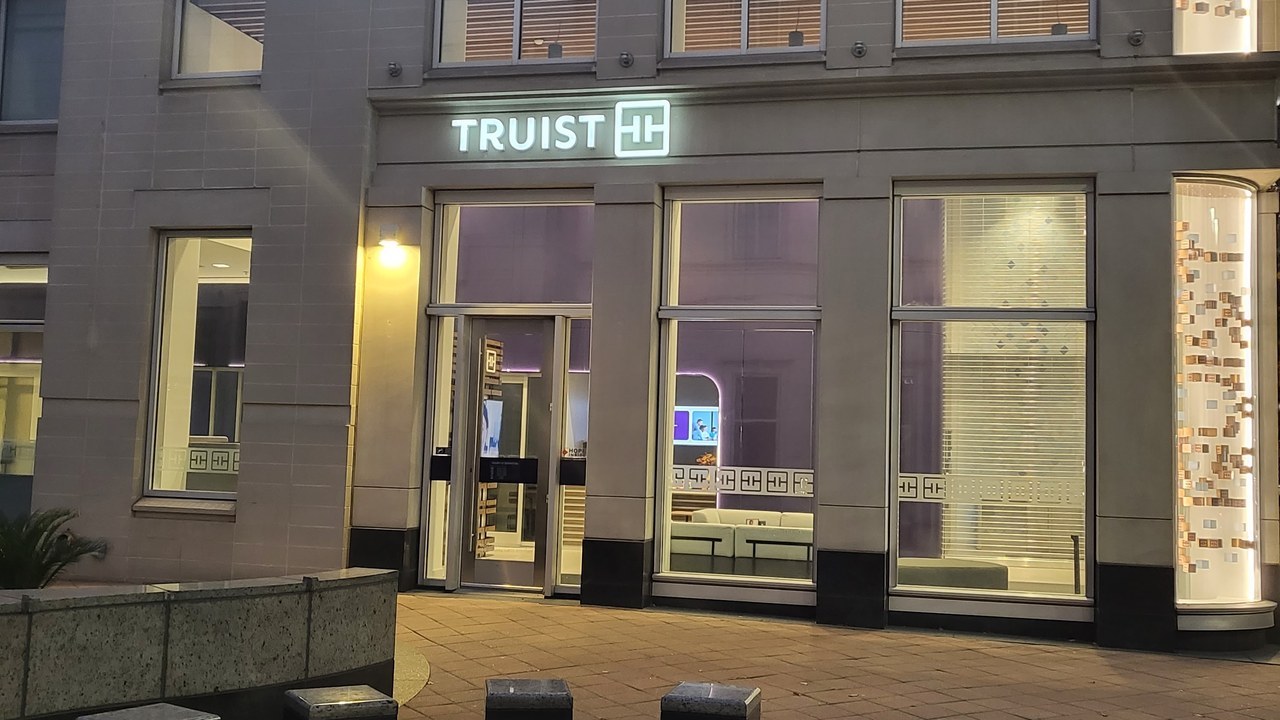
Federal regulators quietly closed the book on four bank employees this summer, permanently barring each of them from ever holding a job at a federally insured bank again. The Federal Deposit Insurance Corporation released the decisions as part of its routine monthly enforcement list, and one of the four worked at Truist Bank, a bank that serves millions of retail customers across the Southeast and Mid-Atlantic. None of the four cases made national news, but the outcome is about as serious as bank regulation gets for an individual employee.
FDIC Bars Employees at Truist, Bank of the Valley, Northwest Bank and Independent Bank
The four names are Aaron T. Luneke, an institution-affiliated party of Bank of the Valley in Bellwood, Nebraska; Brianna Pelosi, an institution-affiliated party of Truist Bank in Charlotte, North Carolina; Kerry Trevell Hancock, an institution-affiliated party of Northwest Bank in Warren, Pennsylvania; and Courtney Mayfield Sitkowski, an institution-affiliated party of Independent Bank in McKinney, Texas. Each received a formal Order of Prohibition from Further Participation, the FDIC’s harshest tool against an individual short of a criminal referral.
The FDIC published the list on August 28, 2026, covering administrative enforcement actions the agency took in July. The same release notes that no administrative hearings are scheduled for September, meaning these four cases are already closed rather than pending appeal. The notice does not spell out what each person did to trigger the ban; it lists the order type, the person’s name, and the bank, the same format the FDIC uses every month.
Notice the wording the FDIC uses for each person: an “institution-affiliated party” of the bank in question. That phrase isn’t limited to tellers or branch managers. It also reaches officers, directors, and, in some cases, contractors, accountants, or attorneys who do work for the bank, as long as their role gives them some level of control over or participation in the bank’s affairs. The order applies to whatever specific role each of the four held, which the FDIC’s public notice does not further identify.
Free retirement updates: Want plain-English help keeping more of your money in retirement? The free Retirement Shield newsletter covers the benefits, deadlines, and money mistakes that cost retirees, a couple times a week. Subscribe free.
What “Ever Working in Banking Again” Actually Means
A prohibition order is not a slap on the wrist. Under 12 U.S.C. § 1818(e), banking regulators can only issue one after finding that a person’s conduct involved either personal dishonesty or a willful and continuing disregard for a bank’s safety and soundness, and that the bank suffered a loss or the person got some kind of benefit from it. Once an order is final, the ban is industrywide: the person can’t work for, own, or even informally advise any FDIC-insured bank in the country, not just the one where they were employed when the misconduct happened.
That’s a meaningfully harsher outcome than losing a job. It’s closer to losing a professional license for good. The FDIC’s monthly list doesn’t publish the underlying facts for each case, so it’s not possible to say from this notice alone whether Pelosi’s, Luneke’s, Hancock’s or Sitkowski’s conduct involved theft, falsified records, or something else entirely — only that regulators found grounds serious enough to bar them from the industry permanently.
The Same Notice Also Released a Bank From Restrictions
The July list wasn’t only about individuals. The FDIC also terminated a consent order against Spring Valley Bank in Wyoming, Ohio, which is the opposite kind of action: a formal signal that a bank has fixed whatever problem regulators previously flagged and no longer needs to operate under agency-imposed restrictions. Seeing both a prohibition order and a consent-order termination in the same monthly release is normal — it’s a reminder that the FDIC’s enforcement list covers everything from routine bank-level cleanups to permanent bans on individual employees, all published together every month.
A Truist Ban Doesn’t Put Your Deposits at Risk
For anyone who banks at Truist, the natural worry is whether this affects their own money. It doesn’t, and that’s by design. Money in a checking, savings, or CD account at an FDIC-insured bank is insured up to $250,000 per depositor, per bank, per ownership category, regardless of what any individual employee did or didn’t do. That coverage comes from the FDIC’s deposit insurance fund, not from the bank’s own conduct record, so a prohibition order against a single employee — even one that involved dishonesty — has no bearing on whether a customer’s balance is protected.
What the order does affect is that one person’s career. Pelosi can no longer work, in any capacity, at Truist or any other FDIC-insured institution while the order stands. Truist itself was not named as a subject of the order; only the individual was. Deposit insurance also isn’t something a customer has to sign up for or request separately — it applies automatically to eligible deposit accounts at any FDIC-insured bank, funded by the fees banks pay into the insurance fund, not by anything tied to a single employee’s record.
Checking Whether Your Own Bank Has a Case on File
The FDIC keeps every enforcement order, including this one, in a public database anyone can search by bank name, individual name, or state. The Enforcement Decisions and Orders portal is the same system the agency’s own press release links to for the full text of July’s four prohibition orders and the Spring Valley Bank termination. It won’t turn up anything for most banks in most months — enforcement actions against a specific institution or employee are the exception, not the rule — but it’s a free way to check a bank’s regulatory record before, say, opening a new account or taking a job there.
The FDIC says no hearings are scheduled for September on any of the four cases, which means, barring a court appeal, all four bans already stand as final.
This article was produced with AI assistance and reviewed by a human editor. Figures are linked to their primary sources; where a claim could not be verified from the public record, we say so.
More Financial Reading